

The smell of diesel blends with salt and bait on the docks before dawn, and the crews’ conversations nearly always revolve around this topic. Not the climate. Not the cost of fuel, though that is also a factor. It’s the science. Someone in an office hundreds of miles away has used the numbers to determine whether southern flounder will be worth pursuing at all or how many blue crabs they can harvest from the sound this season.
In northeastern North Carolina, fishing has been a family business for many generations, passed down as casually as a last name. It feels different now, more brittle. When he addressed the Marine Fisheries Commission in late February, Glenn Skinner, the head of the North Carolina Fisheries Association and a lifelong fisherman, put it simply. The rules determine whether a man can afford to pay his mortgage or send his child to college. They are based on stock assessments, which fishermen are beginning to distrust. That is the portion that is left out of the modeling program.
| Keys | Values |
|---|---|
| Region | Northeast North Carolina, Outer Banks |
| Primary Concerned Fisheries | Blue crab and southern flounder |
| Key Regulatory Body | North Carolina Marine Fisheries Commission |
| Industry Voice | North Carolina Fisheries Association |
| Executive Director Quoted | Glenn Skinner |
| Stock Assessment Program Manager | Matt Damiano |
| Recent Peer Review Outcomes | Both blue crab and southern flounder assessments failed in recent years |
| Last Public Commission Meeting Referenced | Late February 2026, Outer Banks |
| Core Conflict | Fishermen’s on-water observations vs. modeled stock data |
| Tools Under Review | Multi-model approach for future assessments |
Although the frustration is not new, it is becoming more intense. Fishermen consistently report seeing more fish than the data indicates, and they’re fed up with being told they’re just dreaming. They believe that those performing the calculations have never set a trap or sorted a catch in the dark. The trust continues to erode in that space between the office and the ocean.
The North Carolina Division of Marine Fisheries’ stock assessment program manager, Matt Damiano, does not downplay the issue. He discusses the work in the same manner that a scientist discusses a challenging patient. The fishery, the natural system, the catch rates, the length compositions, and the age information extracted from the ear bones of fish that his survey crews hauled up are all attempted to be represented by the model. It’s meticulous work. He acknowledges that it is also flawed. In recent years, two of the most contentious evaluations—blue crab and southern flounder—have failed peer review. That’s a big deal.
According to Damiano, he is trying to incorporate new tools into the process, such as using multiple models instead of just one. It remains to be seen if that will satisfy the fishermen who wait with their hats in their hands at public meetings. The science might advance. Rebuilding trust takes more time.
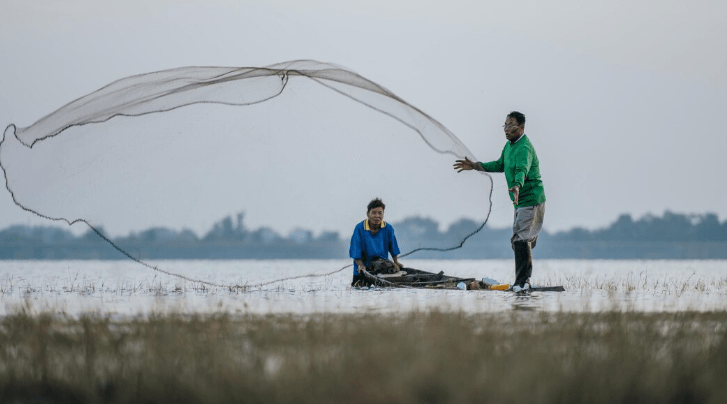
The larger pattern is more difficult to overlook. In places like New Bedford, private equity-backed businesses have squeezed smaller fishing operations along the East Coast, changing the economics of who really makes money from a haul. Although the takeover hasn’t happened quite as dramatically in Northeast North Carolina, the regulatory pressure still has a similar effect. Costs increase, restrictions become more stringent, and the family boat begins to resemble a museum piece.
The frequency with which the fishermen characterize themselves as data points in someone else’s spreadsheet is difficult to ignore. Instead of being controlled, they prefer to be consulted. Instead of what a model suggests they should see, they want the surveys to represent what they are actually seeing on the water. It’s still unclear if the commission actually pays attention to them or if the meetings continue to be a place where people can voice their opinions and decisions are made without alteration. The boats continue to go out for the time being. With them, the questions continue to recur.
