

When a slow cooker is working, a certain type of silence descends upon a kitchen. In the afternoon, you pass by it, lift the lid for a moment, and the steam fills the rest of the house with something warm and briny. It’s difficult to ignore how that one appliance has altered how people cook on weeknights, particularly when seafood is involved. Seafood used to seem like a Friday night indulgence, something you saved for visitors, or a weekend endeavor. That rule has been subtly rewritten by slow cookers.
After you’ve tried it, the appeal makes sense. Almost no babysitting is required to prepare a traditional creamy seafood chowder, which includes chunks of haddock or cod, diced potatoes that soften into the broth, and a handful of corn for sweetness. You add everything else, sauté the onion and garlic, and leave. The potatoes are fork-tender and the broth has thickened into something that actually tastes like it took hours by the time you get home from work or finish the school run. since it did.
People are surprised by how adaptable the format is. Rich and slightly smoky, this New England-style chowder is heavy on cream, butter, and bacon. A Manhattan-style version, which is lighter on the stomach but still substantial enough for a chilly evening, replaces the dairy with tomatoes and herbs. Then there’s the Pacific Northwest version, which is typically centered around salmon and is enhanced by a dash of white wine and dill. The slow cooker logic is the same for all of them, but the personality changes based on the ingredients.
Perhaps the most accommodating dish for beginners is shrimp and corn chowder. The corn does the majority of the heavy lifting on flavor, and the shrimp is added in the final fifteen minutes to prevent it from becoming rubbery. It’s the kind of recipe that wins over skeptics, those who maintain that slow cookers and seafood are incompatible. After you’ve succeeded once, it seems like you’ve been overcomplicating things for years.
A mixed shellfish chowder full of clams, mussels, scallops, and a little crab feels like a little celebration for those seeking something more ambitious. Nobody will notice the difference if you use a frozen seafood medley from the supermarket. A final swirl of half-and-half brings everything together, and adding the shellfish near the end preserves the textures. This recipe might be the one that gives the slow cooker a permanent place on the counter.
A chowder of lobster and corn seems opulent without being picky. The final addition of tarragon or chives gives it a restaurant-level polish that seems out of proportion to the work required. Conversely, a smoky bacon and fish chowder with a base of potatoes and leeks tastes like something from a wintertime coastal pub. In order to prevent the bacon from becoming soft in the broth, it is placed on top, crispy.
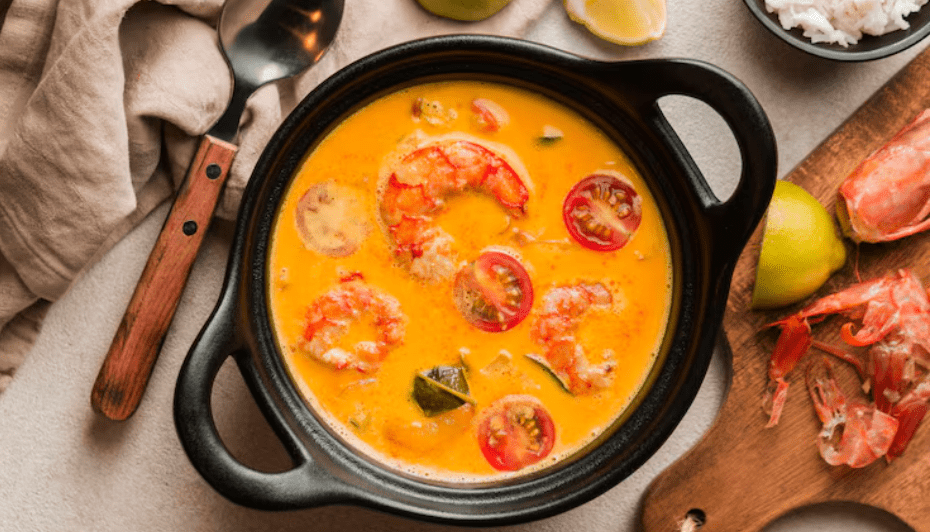
There are also the more subdued and unanticipated versions. Chowder doesn’t have to mean cream and butter, as demonstrated by a curried coconut seafood chowder that is fragrant with ginger and lemongrass. The distinction between chowder and bouillabaisse is blurred in this Mediterranean tomato-and-saffron seafood stew that is slow-cooked until the broth turns deep orange. A leisurely afternoon is rewarded by both.
The seafood itself isn’t what makes these recipes so enjoyable. It’s the lack of pressure. You begin to see why slow cookers continue to gain popularity as you watch this develop over the course of a winter. Even though dinner is prepared while you’re working on something else, it still tastes delicious.
