

Lobster isn’t really a meal on the Maine coast, as anyone who has spent an August evening there will attest. It’s a sort of unwritten summertime custom. The corn is shucked on the porch, the pots are brought out, and there is constant debate about whether or not garlic should be added to melted butter. However, the ritual subtly changed during the past ten years. Charcoal grills and split tails shimmering under herb butter began to take the place of the boiling pots. If you ask quietly enough, practically every seasoned chef from Portland to Cape Cod will tell you the same thing: grilling is the superior method.
With a kind of patient certainty, Kathy Gunst, who has spent more Maine summers cooking, discusses grilling lobster. People are suspicious when she suggests it, she says, almost casually. They ask, “Why bother when steaming works just fine?” It’s a legitimate query. However, the steamer suddenly seems like a lost chance after tasting lobster meat that has absorbed a little smoke, a little char, and a slow soak of garlic butter.
| Recipe Snapshot | Details |
|---|---|
| Dish | Grilled Lobster Tails with Garlic-Herb Butter |
| Origin Region | Coastal New England (Maine, Massachusetts) |
| Recommended By | Kathy Gunst, longtime Maine resident and resident chef |
| Ideal Lobster Type | Soft-shell, 1¼ to 1½ pounds |
| Total Cook Time | Roughly 25 to 35 minutes |
| Grill Temperature | Around 400°F over hot embers |
| Key Ingredients | Butter, garlic, chives, thyme, basil, dill, lemon zest |
| Servings | Four |
| Best Paired With | Cold rosé, grilled corn, tomato salad |
| Difficulty | Moderate, mostly because of the prep |
The recipe itself is surprisingly easy to follow. Six tablespoons of soft butter, two finely chopped garlic cloves, a large handful of chopped chives, thyme, basil, a little dill, lemon zest, salt, and pepper. For the butter, that’s it. The lobsters are split lengthwise and placed flesh-side down on a grill set at about 400 degrees. Soft-shelled lobsters are preferred because the heat penetrates more evenly. For this reason, the majority of chefs vouch for soft-shells, which are also typically less expensive—a minor blessing considering the price of lobster these days.
When grilling, there’s a moment that’s difficult to explain unless you’ve stood over it. The shells quickly begin to turn red. When applied while the meat is still translucent, the herb butter melts into the crevices and collects in the space where the head and tail meet. Before you notice any changes, you can smell the basil. This type of cooking requires only attention, not a timer. Because they are afraid of undercooking lobster, most people overcook it. One chef from the Boston area once told a friend of mine that the trick is to pull it as soon as the meat becomes opaque and the tail begins to curl, but before it tightens into that recognizable C shape.
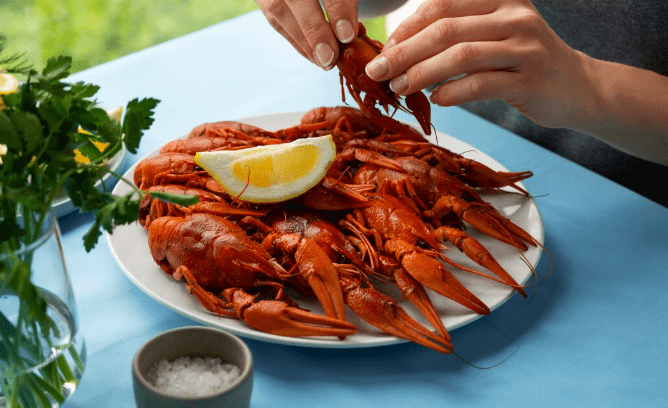
Beyond the technique, the herb mixture is what distinguishes this version. While some chefs prefer rosemary or chervil, others use opal basil because of its slightly peppery edge. The recipe has quietly spread throughout New England kitchens without ever becoming well-known, possibly because there is no one right combination. This type of cooking is not found in glossy cookbooks, but rather is passed down at backyard gatherings. Served with grilled corn, a tomato-onion salad, and a cold rosé, it feels less like dinner and more like a little celebration of your current location.
Of course, it’s questionable if this is the only lobster recipe you’ll ever need. However, it’s difficult to ignore the fact that very few people who attempt it return to boiling.
