

You can hear the same sounds that people heard a century ago if you stand on a wharf in Stonington or Vinalhaven before sunrise. Coughing to life are diesel engines. The sound of rope hitting fiberglass. Somewhere, the weather is being played on a radio. In Maine, lobstering isn’t truly an industry in the sense that Wall Street defines industries. The men and women who work in this trade, which is passed down through families and frequently involves little paperwork, are skeptical of anyone in a suit telling them how to operate their boats. That’s precisely what they’re in right now.
A federal judge’s ruling in April 2020 that the National Marine Fisheries Service had violated the Endangered Species Act by approving the lobster fishery without carefully considering the harm done to North Atlantic right whales intensified the long-brewing conflict. Judge Boasberg used unusually direct language for a federal bench, calling it “about as plain a violation as they come.” According to him, the agency discovered that the fishery could harm whales at three times sustainable levels, but for some reason it chose not to take action based on its own findings.
| Topic Information | Details |
|---|---|
| Industry | American Lobster Fishery |
| Primary Region | Gulf of Maine, Northeast U.S. Coast |
| Key Federal Agency | National Marine Fisheries Service (NMFS) |
| Endangered Species at Center | North Atlantic Right Whale (~400 remaining) |
| Major Court Ruling | April 9, 2020 — U.S. District Court for D.C. |
| Presiding Judge | Judge James Boasberg |
| Plaintiffs | CLF, Center for Biological Diversity, Defenders of Wildlife, Humane Society |
| Governing Laws | Endangered Species Act, Marine Mammal Protection Act |
| Whale Deaths Since 2017 | At least 30 |
| Core Conflict | Vertical fishing lines entangling whales vs. lobstermen’s livelihoods |
Speaking with people up the coast, it seems that the decision was more difficult to implement than most anticipated. For many years, lobstermen have been subject to regulations. The magnitude of what lies ahead now unnerves them. closures in specific months. Gear changes are required. Thousands of dollars are spent on ropeless traps. Those figures don’t add up for a sternman earning a meager seasonal salary.
The whale itself is another. There are only about 400 North Atlantic right whales remaining, and since the summer of 2017, at least 30 have perished. The thick ropes that connect buoys at the surface to traps on the seafloor are known as vertical fishing lines, and conservationists contend that this is partially the cause. Lobstermen argue that no right whale death has been conclusively linked to Maine gear in years, and they are partially correct. Neither side wants to acknowledge how messy the data is.
It’s difficult to ignore how frequently the discussion devolves into a single binary as you watch this play out. Fishermen or whales? preservation or custom. The reality is more complicated. Since then, regulators have repeatedly revised timelines, a federal appeals court has challenged portions of the initial decision, and the Supreme Court rejected an industry challenge to more recent regulations in 2024. The playing field is rearranged with each turn, but it is never definitively settled.
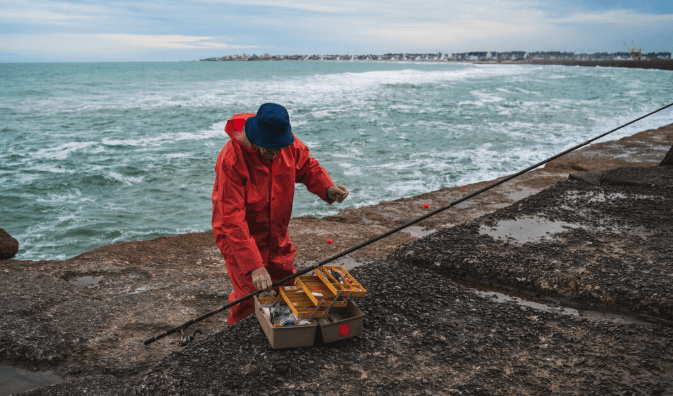
But what’s happening on the water is genuine. buyback initiatives. Ropeless gear pilot studies. Younger captains are silently debating whether or not to renew their licenses. In July, the town docks remain unchanged. Rolls with butter are still ordered by tourists. However, those who make their living from fishing sense that something has changed beneath the surface.
It’s still unclear if the regulations will hollow out Maine’s lobster industry before the whales recover, or if it will adapt in the same way that Maine’s groundfish industry did not. Most likely a combination of the two. On the Northeast coast, this is typically how these tales conclude. Not with a decision. with a protracted, salt-stained negotiation in which no one is able to win.
