
Close Menu
FishonlineFishonline
  • Homepage
  • Privacy Policy
  • Disclaimer
  • About
  • Terms and Conditions
  • Seafood
  • News
  • Trending
  • Travel
What's Hot

How One Family’s Annual Lobster Road Trip Through Maine Became a 22-Year Tradition That Has Never Once Been Repeated the Same Way

May 11, 2026

Pacific Seafood’s $3.2 Million Fine – How a Seafood Giant Turned Environmental Violations Into a PR War

May 11, 2026

How to Make Authentic Louisiana Crawfish Étouffée at Home — Without Watering Down a Single Drop of Flavor

May 11, 2026
FishonlineFishonline
Subscribe
  • Homepage
  • Privacy Policy
  • Disclaimer
  • About
  • Terms and Conditions
  • Seafood
  • News
  • Trending
  • Travel
FishonlineFishonline
Home » Pacific Seafood’s $3.2 Million Fine – How a Seafood Giant Turned Environmental Violations Into a PR War
Seafood

Pacific Seafood’s $3.2 Million Fine – How a Seafood Giant Turned Environmental Violations Into a PR War

Mildred BellBy Mildred BellMay 11, 2026No Comments4 Mins Read
Facebook Twitter LinkedIn Telegram Pinterest Tumblr Reddit WhatsApp Email
The Seafood Company That Turned a $3.2 Million Oregon Fine Into a National Media Campaign Against Environmental Regulators
Share
Facebook Twitter LinkedIn Pinterest Email

The way Pacific Seafood handled a $3.2 million environmental fine has an almost cinematic quality. Instead of remaining silent, issuing a cautious statement, pledging to take corrective action, and waiting for the news cycle to pass, the massive seafood company based in Clackamas went all out. In a written statement, the company said, “Oregon DEQ is out of control,” portraying one of the biggest environmental fines in the state’s history as evidence that conducting business in Oregon has become unfeasible rather than as a result of years of infractions. It was a revealing and well-thought-out move.

Three of Pacific Seafood’s coastal processing facilities in Charleston, Warrenton, and Brookings were fined by the Oregon Department of Environmental Quality on April 23. Fish parts, chlorine, oil, and grease were released into two rivers and the Pacific Ocean as a result of the violations. These are not technical details that are hidden in regulatory documents. These are actual materials entering actual water. You would quickly realize what’s at risk if you were standing close to the Charleston facility on a processing day; the scent alone conveys a message that the company’s press releases don’t.

Company Profile: Pacific SeafoodValues
Company NamePacific Seafood
HeadquartersClackamas, Oregon, USA
Founded1941
IndustrySeafood Processing & Distribution
Facilities FinedCharleston, Warrenton, and Brookings, Oregon
Fine Amount$3.2 Million — second-largest in Oregon DEQ history
Issuing AuthorityOregon Department of Environmental Quality (DEQ)
ViolationsDischarge of fish parts, chlorine, oil, and grease into Pacific Ocean and two rivers
Original Compliance Deadline2019, later extended to 2023
Permit StatusCharleston wastewater permit sought since 2001 — still unissued as of 2026
Company ResponseCalled DEQ “out of control”; accused regulators of making Oregon business impossible
Appeal Window20 days from April 23, 2026

Only a $3.02 million sanction against Coffin Butte Landfill last month surpasses the largest single penalty in Oregon DEQ history, which is almost $2.98 million against the Charleston plant. The DEQ’s compliance and enforcement office manager, Erin Saylor, was straightforward about the purpose of the penalty. According to her, the majority of it is intended to level the playing field and recover Pacific Seafood’s financial advantage from its competitors’ apparent investment in pollution controls. That framing is important. This isn’t just punitive. It is structural.

Pacific Seafood makes at least one point that should be taken seriously, which complicates the situation and, to be honest, makes it harder to read clearly. According to the company, it has been attempting to secure a wastewater permit for its Charleston location for twenty-five years, starting in 2001. The company claims that the DEQ only started drafting the permit last month. Building an engineering solution around standards that don’t yet exist on paper is genuinely challenging if that timeline is correct. The permit issue alone merits investigation, even though it’s possible the business is using a valid complaint to cover up a longer history of inaction and delay.

Nevertheless, the DEQ’s account suggests a more difficult explanation. According to regulators, they came to an agreement with Pacific Seafood in 2017 that mandated the installation of pollution controls, with an initial deadline of 2019. The deadline has passed. The business was granted a 2023 extension. That also passed. While waiting to see if Oregon’s Legislature would approve funding for a new treatment system at the Port of Coos Bay, the state postponed enforcement. That money never materialized. Patience eventually ceases to resemble cooperation and begins to resemble something else.
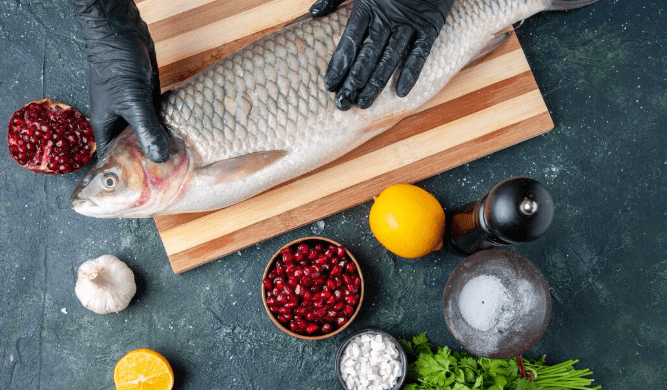
The Seafood Company That Turned a $3.2 Million Oregon Fine Into a National Media Campaign Against Environmental Regulators

Following the fine, Pacific Seafood turned a noncompliance issue into a political and financial dispute. In a clever rhetorical move, the company’s statement portrays the fine as an assault on Oregon jobs during a period of economic instability, appealing to concerns that extend well beyond the seafood sector. It’s the kind of message that spreads. “Out of control” is not a coincidental term. It is made to be picked up, with the goal of transforming a local environmental story into a national dialogue about business climate and regulatory overreach. It remains to be seen if it is effective.

As this develops, there’s a sense that we’re witnessing a sneak peek at future conflicts between environmental regulators attempting to enforce standards and businesses claiming those standards are unfeasible from an economic standpoint. According to the DEQ, Pacific Seafood is still able to install the necessary systems and lessen its fines. Or this will be delayed for an additional year due to the appeal. While the debate rages on, it doesn’t seem likely that fish parts will cease washing into Oregon’s coastal waters.

Pacific Seafood
Share. Facebook Twitter Pinterest LinkedIn Tumblr Telegram Email
Previous ArticleHow to Make Authentic Louisiana Crawfish Étouffée at Home — Without Watering Down a Single Drop of Flavor
Next Article How One Family’s Annual Lobster Road Trip Through Maine Became a 22-Year Tradition That Has Never Once Been Repeated the Same Way
Mildred Bell

    Mildred Bell is a full-time digital professional, seasoned traveler, and ardent outdoor enthusiast who infuses her writing with a sincere love of the natural world. In her role as Senior Editor at fishonline.co.uk, the online home of Seafood Audit International, Mildred is in charge of editorial content covering news about the seafood industry, updates on food safety, politics, finance, and commentary from prominent figures in the fishing and seafood industries. Beyond the desk, Mildred has a deeper connection to the material she edits. She is a passionate angler who has spent years fishing open waters, rivers, and coastlines throughout the UK and beyond. Her genuine knowledge of the fishing industry informs all of her editorial choices. Mildred's passion for travel stems from the same restless curiosity. She has traveled to many different continents with a rod, a notebook, and an eye for the stories that others overlook.

    Related Posts

    How to Make Authentic Louisiana Crawfish Étouffée at Home — Without Watering Down a Single Drop of Flavor

    May 11, 2026

    The Five U.S. Coastal Cities Every Seafood Lover Must Visit Before They Die — Ranked by a Chef Who Has Eaten in All of Them

    May 11, 2026

    The Seafood Restaurant That Closed After 30 Years in the Same Florida Spot Is Now Gone for Good

    May 5, 2026
    Add A Comment
    Leave A Reply Cancel Reply

    You must be logged in to post a comment.

    How One Family’s Annual Lobster Road Trip Through Maine Became a 22-Year Tradition That Has Never Once Been Repeated the Same Way

    Travel May 11, 2026

    Around the Portsmouth toll booths on I-95 North, there’s a moment when the atmosphere shifts.…

    Pacific Seafood’s $3.2 Million Fine – How a Seafood Giant Turned Environmental Violations Into a PR War

    May 11, 2026

    How to Make Authentic Louisiana Crawfish Étouffée at Home — Without Watering Down a Single Drop of Flavor

    May 11, 2026

    The Five U.S. Coastal Cities Every Seafood Lover Must Visit Before They Die — Ranked by a Chef Who Has Eaten in All of Them

    May 11, 2026

    The Seafood Restaurant That Closed After 30 Years in the Same Florida Spot Is Now Gone for Good

    May 5, 2026

    The Oyster Po’ Boy Recipe That New Orleans Locals Say Tourists Are Completely Getting Wrong

    May 5, 2026

    Maine Lobstermen vs. Federal Regulators – The Fight Over Fishing Rights That Could Reshape the Northeast Coast

    May 5, 2026

    Fishonline.co.uk is the official online home of Seafood Audit International, a UK-based food safety and quality management consultancy with more than 25 years of hands-on experience in the global seafood and fishing industries. Based in Wellington, Somerset, we work with fish processors, food businesses, government inspection services, and international organisations to deliver practical, measurable, and cost-effective food safety solutions.We are not a generic food safety company. Seafood and fish products are our entire focus — and that specialisation is what makes us different.Who We AreSeafood Audit International was founded on a straightforward belief: that food safety training and quality management should be practical, accessible, and genuinely useful — not a box-ticking exercise.For over two decades we have worked with clients ranging from high street fish retailers and small-scale processors to large-scale international fishing operations, government bodies, and seafood exporters in the developing world. Our experience stretches from dhows on Lake Victoria to the trawlers of the UK coastline — giving us a depth of real-world knowledge that classroom-only consultancies simply cannot match.Our lead consultant is a fully qualified auditor with extensive experience across British Retail Consortium (BRC) and ISO 9000 quality management standards, HACCP implementation, food hygiene, and the development of national food safety legislation for governments internationally.What We DoSeafood Audit International provides a comprehensive range of training, auditing, and consultancy services tailored specifically to the seafood and fishing industries:Training Courses

    Top Insights

    How One Family’s Annual Lobster Road Trip Through Maine Became a 22-Year Tradition That Has Never Once Been Repeated the Same Way

    May 11, 2026

    Pacific Seafood’s $3.2 Million Fine – How a Seafood Giant Turned Environmental Violations Into a PR War

    May 11, 2026

    How to Make Authentic Louisiana Crawfish Étouffée at Home — Without Watering Down a Single Drop of Flavor

    May 11, 2026

    The Five U.S. Coastal Cities Every Seafood Lover Must Visit Before They Die — Ranked by a Chef Who Has Eaten in All of Them

    May 11, 2026

    The Seafood Restaurant That Closed After 30 Years in the Same Florida Spot Is Now Gone for Good

    May 5, 2026
    Disclaimer

    Important Editorial Notice: All content on fishonline.co.uk, including that pertaining to business finance, political developments, financial markets, and regulatory changes, is provided solely for informational and discussion purposes. It is merely the opinion of a third party and does not represent the expert advice of fishonline.co.uk or Seafood Audit International.
    We strongly advise against taking any action based on any political, legal, or financial information found on this website without first consulting an impartial expert. Seafood Audit International is not governed by the Financial Conduct Authority (FCA) and is not permitted to offer financial advice. Always seek advice from an independent financial advisor authorized by the FCA before making any financial decisions. Seek legal advice from an experienced attorney.

    © 2026 ThemeSphere. Designed by ThemeSphere.
    • Homepage
    • Privacy Policy
    • Disclaimer
    • About
    • Terms and Conditions
    • Seafood
    • News
    • Trending
    • Travel

    Type above and press Enter to search. Press Esc to cancel.