

Before you ever start the car, a version of this trip exists in your head, somewhere between a spread from a travel magazine and a scene from a movie. For years, the 658 miles of salt air, slow roads, and seafood shacks that make up the Gulf Coast from Tampa to New Orleans had been on the back of my mind. A budget of two thousand dollars, a full tank of gas, and five days with no real plan other than traveling west along the water were what ultimately propelled it forward.
It already seemed like the right decision to leave Tampa early on a Tuesday morning, before the city had fully awakened. The highway quickly gives way to flat land and palm trees south of downtown, and the quiet before sunrise on that section of I-275 creates a certain atmosphere. Road trips may be as much about what you leave behind as they are about where you are going.
| Trip Overview: Tampa to New Orleans Gulf Coast Road Trip | Values |
|---|---|
| Route | Tampa, Florida to New Orleans, Louisiana |
| Total Distance | Approximately 658 miles (1,059 km) |
| Drive Time | Around 9 hours 36 minutes (direct) |
| Recommended Duration | 5 to 7 days |
| Estimated Budget | $2,000 (covering fuel, food, accommodation, activities) |
| Best Time to Travel | October through April (avoiding peak Gulf heat and hurricane season) |
| Key Stops | Pensacola Beach, Mobile (AL), Biloxi (MS), Ocean Springs (MS), New Orleans (LA) |
| Road Type | Mix of I-10 interstate and scenic US-90 coastal highway |
| Cuisine Highlights | Gulf shrimp, po’boys, gumbo, fresh oysters, beignets |
| Accommodation Style | Budget motels, beach inns, Airbnb, historic guesthouses |
| Reference | Wanderlog Gulf Coast Route Guide |
| Cultural Character | Deeply Southern, Creole-influenced, laid-back coastal pace |
The first significant stop worth slowing down for was Pensacola. It costs nothing to stroll along the incredibly white and fine-grained beaches there, which seem almost unfair in comparison to the rest of Florida. For less than fifteen dollars, a seafood lunch at a waterfront location included a basket of fried shrimp, sweet tea, and a view of the harbor. People are surprised by this stretch of coastline because eating well doesn’t have to cost a lot of money. It’s not because the food has been branded; rather, it’s good because it’s local.
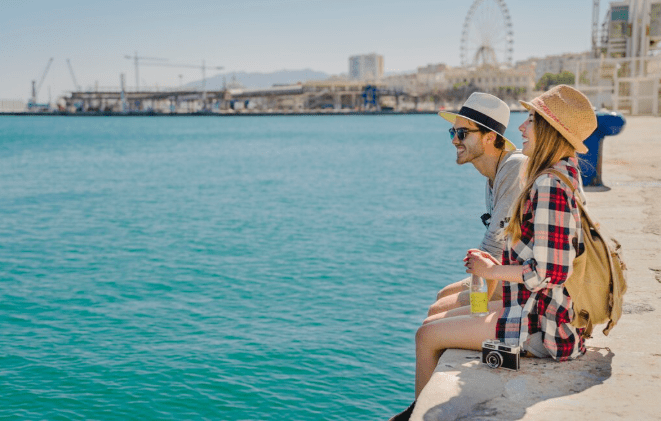
Something quietly changes when you cross into Alabama and then Mississippi. The atmosphere shifts, but the scenery doesn’t. People in Mobile still sit on porches in the evening, giving the city a lived-in, leisurely vibe. One of the truly unexpected highlights of the trip was Ocean Springs, a small Mississippi town that is frequently overlooked in favor of Biloxi’s casinos: art galleries, old oak trees, and a coffee shop where no one seemed to be in a hurry. Why more people don’t stop there is still a mystery.
On the fourth day, as we got closer to New Orleans, there was that familiar mixture of excitement and a little nervousness that comes with a city full of expectations. The French Quarter is precisely as described, but it’s also a little different in person—it’s smaller, stranger, and noisier. Walking it before the crowds arrive at 7 AM is a completely different experience than walking it in the evening. At Café Du Monde, beignets with powdered sugar on every surface felt more like a sincere ritual than a tourist cliche. Certain things deserve their reputation.
The $2,000 was retained. Fuel cost about $180. The total cost of lodging for five nights, which included a guesthouse room in New Orleans’ Marigny neighborhood and a cheap motel close to Pensacola Beach, was slightly less than $600. Food remained affordable throughout, purposefully selecting neighborhood restaurants over chains. The remaining funds were used for an out-of-town swamp tour, which proved to be well worth the money. It is difficult to forget the experience of sitting in a flat-bottomed boat and witnessing an alligator remain motionless in the water only a few feet away.
Looking back, it’s difficult to ignore the fact that the best times are the least expensive. The dusk drive across Lake Pontchartrain. An elderly man spent twenty minutes discussing the best restaurant in Biloxi at a Mississippi gas station. The way the golden, heavy Gulf light falls in the late afternoon, making everything seem a little cinematic. The itinerary didn’t include any of that. It didn’t cost anything. The Gulf Coast rewards the kind of travel that doesn’t try too hard, which is probably the most honest thing that can be said about this route.
