

It all began as a lighthearted wager with a coworker. Thirty days. Seven cities. One particular fixation: clam chowder. No one anticipated that I would do it. To be honest, there were times on day eighteen when I didn’t think I would either, sitting in a rental car outside Providence with a fogged windshield and a lukewarm cup.
However, I did. And compared to any ranking I could have created while seated at a desk, the results are messier, more intriguing, and more polarizing.
| Category | Details |
|---|---|
| Topic | American Clam Chowder — Regional Styles, Cities & Rankings |
| Key Styles | New England (cream-based), Manhattan (tomato-based), Rhode Island (clear broth) |
| Cities Covered | Seattle, Boston, Pismo Beach, San Francisco, New York City, Portland (Maine), Providence/Newport |
| Top Ranked City | Seattle, Washington — Pike Place Chowder |
| Most Historic Spot | Union Oyster House, Boston (serving since 1826) |
| Most Famous Serving Style | Sourdough bread bowl, Fisherman’s Wharf, San Francisco |
| Regional Controversy | Manhattan-style debated as “not real chowder” — Maine even legislated against tomato-based chowder in 1939 |
| Best Value | Pike Place Chowder, Seattle — roughly $8–11 per bowl |
| Trip Duration | 30 days across the U.S. |
Both on the itinerary and, spoiler alert, in the final rankings, Seattle was ranked first. Pike Place Chowder is situated in the middle of the bustling Pike Place Market, where visitors are crammed together and seagulls are circling with frightening assurance. On a gloomy Tuesday morning, the bowl I was eating was rich without being heavy, the clams firm instead of rubbery, and the broth had just the right amount of smokiness to feel deliberate. It’s possible that the drama of its surroundings—the fish-throwing, the flower stalls, the noise—helps this place, but even when atmosphere is taken into consideration, the chowder stands up on its own.
Boston came next, and Boston is a complex city. The debate over clam chowder was essentially created by the city; New Englanders will tell you this as confidently as they discuss the Red Sox. Serving a version that tastes more like tradition than innovation, Union Oyster House has been in business since 1826. Depending on your point of view, it’s either reassuring or a little concerning that the kitchen hasn’t changed much in decades. The chowder is really delicious. It’s not the best.
I was surprised by Pismo Beach. Self-described as the “Clam Capital of the World,” it hosts an annual clam-focused festival that provides insight into local priorities. The chowder is simple, honest, and made with clams that obviously haven’t been far. It lacks Boston’s mythology and Seattle’s showmanship, but that’s almost refreshing.
San Francisco provided an entirely different experience, emphasizing the ritual over the actual chowder. At Fisherman’s Wharf, a bowl of sourdough bread is more than just a meal. By the end, the bread has absorbed everything and is almost identical to the soup. It’s debatable if that’s brilliant or a little crazy. In any case, the tourists surrounding me appeared to be thrilled.
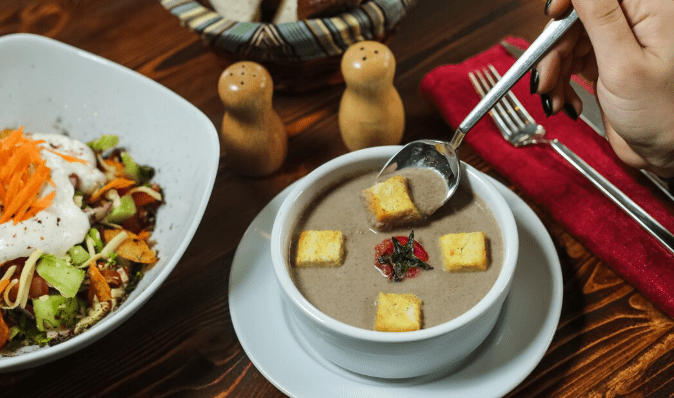
Surprisingly, Manhattan-style chowder, the tomato-based variety that Maine famously attempted to outlaw in 1939—still one of the more amusing pieces of American food legislation—is best enjoyed in New York City. Grand Central Oyster Bar does it well, but it’s important to note that many serious chowder enthusiasts won’t even consider Manhattan-style chowder to be chowder. Some people are actually willing to die on this hill.
It was quieter than I had anticipated in Portland, Maine. Fresh clams in little bowls with little fuss. Both Providence and Newport in Rhode Island served the clear broth version, which is the least likely to appeal to a novice but eventually grows on you.
Thirty days later, Seattle was ranked first, followed by Pismo Beach, Boston, Portland, Maine, San Francisco, Rhode Island, and New York. Almost every position on that list will be rejected by reasonable people. Somehow, that feels correct. More than almost any American dish, clam chowder carries an almost unreasonable amount of regional identity in a single bowl, and the debate over which city makes it best may be the most distinctively American aspect of it all.
