
Close Menu
FishonlineFishonline
  • Homepage
  • Contact
  • Privacy Policy
  • Disclaimer
  • About
  • TOS
  • Seafood
  • News
  • Trending
  • Travel
What's Hot

The U.S. Seafood Industry’s Quiet Lobbying Victory Hidden Inside the Farm Bill Nobody Read Closely

June 10, 2026

The King Crab Legs Recipe That Looks Impossibly Impressive but Takes Fifteen Minutes and One Pot to Make

June 10, 2026

This One-Pan Salmon Recipe Takes 20 Minutes and Tastes Like Something From a Michelin-Starred Kitchen

June 10, 2026
FishonlineFishonline
Subscribe
  • Homepage
  • Contact
  • Privacy Policy
  • Disclaimer
  • About
  • TOS
  • Seafood
  • News
  • Trending
  • Travel
FishonlineFishonline
Home » How to Make the Perfectly Crispy Fish and Chips at Home — the Way a London Chippy Has Done It Since 1952
Food

How to Make the Perfectly Crispy Fish and Chips at Home — the Way a London Chippy Has Done It Since 1952

Mildred BellBy Mildred BellMay 14, 2026No Comments5 Mins Read
Facebook Twitter LinkedIn Telegram Pinterest Tumblr Reddit WhatsApp Email
How to Make the Perfectly Crispy Fish and Chips at Home — the Way a London Chippy Has Done It Since 1952
Share
Facebook Twitter LinkedIn Pinterest Email

You can tell that everything is going well when you hear a certain type of sound. When the battered cod hits the oil, there’s a deep, rolling hiss that fills a small kitchen and gives even the most experienced home cook the fleeting impression that they know exactly what they’re doing. It’s not a tired sizzle or an anxious splutter. It’s easy to get fish and chips at home. However, there are a few things that most recipes subtly ignore that are necessary to get it truly right, the way a backstreet London chippy has been doing it since before your parents were born.

It all begins with the batter, and to be honest, this is where most people quietly make mistakes. Your fish will be coated with flour and water. It will be transformed with flour, baking powder, dark beer, and cold sparkling water. The white fish’s sweetness is counterbalanced by the beer’s subtle yeasty bitterness. When the batter hits the hot oil, the sparkling water and baking powder do something almost mechanical: they force air into the batter, giving it that distinctive texture of shattering on the outside and giving nothing to the fish underneath. The batter should be cold, slightly too thin, and barely blended. Lumps are acceptable. It’s not overmixing.

Origin of the DishEngland, with roots tracing to Sephardic Jewish immigrants from Spain and Portugal who brought the technique of battering and frying fish
First Known ChippyOpened in London in the 1860s by Joseph Malin, a Jewish immigrant, making fish and chips one of Britain’s longest-running food traditions
Literary MentionsCharles Dickens referenced “fried fish warehouses” in Oliver Twist (1838) and coined the word “chips” in A Tale of Two Cities
Traditional Fish UsedCod, haddock, or pollock — thick white fish fillets that hold up to deep frying without falling apart
Key Batter IngredientsFlour, dark beer or lager, baking powder, and sparkling water — the combination creates a light, crisp coating that doesn’t go soggy
The Chip MethodDouble-frying: blanched first at lower heat, then fried again at 180°C/350°F for a fluffy interior and crispy exterior
Classic AccompanimentsMalt vinegar, mushy peas, tartar sauce, salt — regional variations exist across England
Cultural StatusConsidered Britain’s most iconic national dish; historically a staple of the working class, now enjoyed at all levels of society
Home Cook DifficultyModerate — achievable in under 40 minutes with the right technique and a kitchen thermometer
Chippy Tradition SinceMany London chippies have operated continuously since the post-war era, some dating their current recipes to the early 1950s

More than most people realize, the fish itself is important. For good reason, cod is the default—it’s thick, white, and firm enough to maintain structure in the fryer. If you can find haddock, it might be a better option because it’s a little sweeter and more forgiving. Excessive moisture is something that neither can endure. Before cooking, let the fillets sit for a few hours after lightly salting them. This is a method that should be taken seriously. In a way that a fast rinse-and-fry never quite accomplishes, it draws out water, firms the flesh, and concentrates the flavor. This one step might be the difference between an excellent home version and a truly great one.

The chips need their own logic, and they have to be chips, not fries. Double-frying is neither a chef’s fad nor a restaurant trick. It’s just the right approach. They should first be blanched at a lower temperature, about 130°C, until they are cooked through but not colored. Take them out and give them a break. After the fish is done, return the chips to oil that has been heated to 180°C and fry them until they are golden and crisp. The exterior crisps. The interior remains nearly fluffy. It’s the distinction between chips that withstand cooling and those that become limp.
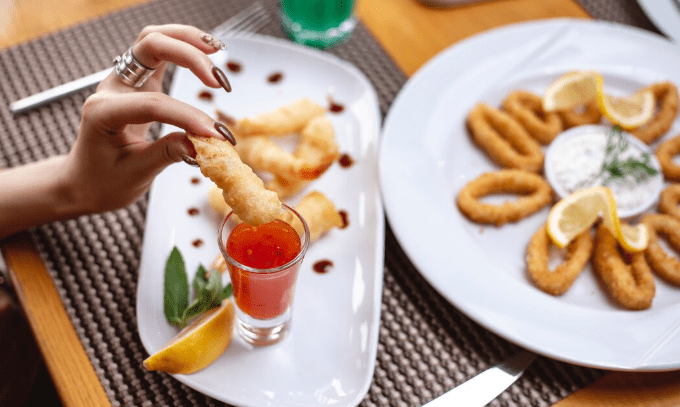
How to Make the Perfectly Crispy Fish and Chips at Home — the Way a London Chippy Has Done It Since 1952

When preparing this at home, there’s a tendency to rush the oil temperature, assuming that just because it’s been on the heat for a while, it’s hot enough. A thermometer is no longer optional at this point. Batter becomes dense and greasy when the oil is too cool. Overheated oil scorches the outside while undercooking the fish. After decades, the chippy who has been doing this since 1952 knows instinctively that the window is narrower than it appears. One batch at a time, and ideally with a probe thermometer attached to the pot’s side, a home cook must develop that instinct.

Serving it correctly is important for both presentation and experience. Before plating, loosely wrap the finished fish and chips in paper for one minute. Just enough steam is redistributed to allow everything to settle into itself without softening anything. Applying malt vinegar liberally is a must. If you prefer tradition, there are mushy peas on the side. If not, use tartar sauce. Even after all these years, the details are still being discussed in private throughout England. When everything is done right, the outcome is undeniable: a dish that feels both immediate and ancient at the same time, based on a method that a Jewish immigrant brought to London’s East End and that a city and eventually a country decided to preserve forever.

Crispy Fish London Chippy
Share. Facebook Twitter Pinterest LinkedIn Tumblr Telegram Email
Previous ArticleLouisiana Just Passed the Strictest Imported Seafood Rules in the South – Here’s What Changes at the Dock.
Next Article The Fish Tacos Recipe That a San Diego Surfer Says He Has Made Every Friday for the Past Eleven Years
Mildred Bell

Mildred Bell is a full-time digital professional, seasoned traveler, and ardent outdoor enthusiast who infuses her writing with a sincere love of the natural world. In her role as Senior Editor at fishonline.co.uk, the online home of Seafood Audit International, Mildred is in charge of editorial content covering news about the seafood industry, updates on food safety, politics, finance, and commentary from prominent figures in the fishing and seafood industries. Beyond the desk, Mildred has a deeper connection to the material she edits. She is a passionate angler who has spent years fishing open waters, rivers, and coastlines throughout the UK and beyond. Her genuine knowledge of the fishing industry informs all of her editorial choices. Mildred's passion for travel stems from the same restless curiosity. She has traveled to many different continents with a rod, a notebook, and an eye for the stories that others overlook.

Related Posts

This One-Pan Salmon Recipe Takes 20 Minutes and Tastes Like Something From a Michelin-Starred Kitchen

June 10, 2026

The Michelin-Starred Chef Who Quit Fine Dining to Open a Seafood Shack in Maine — and Has No Regrets

June 5, 2026

The Crab Cake Recipe That Won a Maryland State Competition Three Years in a Row — and It Is Simpler Than You Think

June 4, 2026
Add A Comment

Comments are closed.

The U.S. Seafood Industry’s Quiet Lobbying Victory Hidden Inside the Farm Bill Nobody Read Closely

Seafood June 10, 2026

In a fish processing facility in Gloucester, Massachusetts, discussions about government funds that have been…

The King Crab Legs Recipe That Looks Impossibly Impressive but Takes Fifteen Minutes and One Pot to Make

June 10, 2026

This One-Pan Salmon Recipe Takes 20 Minutes and Tastes Like Something From a Michelin-Starred Kitchen

June 10, 2026

The Butter-Poached Lobster Recipe That Home Cooks Are Calling the Most Luxurious Thing They Have Ever Made for Under $30

June 10, 2026

10 c Recipes That Nutritionists Say Will Keep You Full Until Well Past Noon

June 10, 2026

How the Global Seafood Alliance’s New Feed and Salmon Standards Could Redefine What ‘Responsible’ Aquaculture Means

June 5, 2026

The EPA Mercury Rule Repeal Could Add Measurable Contamination Levels Back Into Fish Americans Eat Every Week

June 5, 2026

Fishonline.co.uk is the official online home of Seafood Audit International, a UK-based food safety and quality management consultancy with more than 25 years of hands-on experience in the global seafood and fishing industries. Based in Wellington, Somerset, we work with fish processors, food businesses, government inspection services, and international organisations to deliver practical, measurable, and cost-effective food safety solutions.We are not a generic food safety company. Seafood and fish products are our entire focus — and that specialisation is what makes us different.Who We AreSeafood Audit International was founded on a straightforward belief: that food safety training and quality management should be practical, accessible, and genuinely useful — not a box-ticking exercise.For over two decades we have worked with clients ranging from high street fish retailers and small-scale processors to large-scale international fishing operations, government bodies, and seafood exporters in the developing world. Our experience stretches from dhows on Lake Victoria to the trawlers of the UK coastline — giving us a depth of real-world knowledge that classroom-only consultancies simply cannot match.Our lead consultant is a fully qualified auditor with extensive experience across British Retail Consortium (BRC) and ISO 9000 quality management standards, HACCP implementation, food hygiene, and the development of national food safety legislation for governments internationally.What We DoSeafood Audit International provides a comprehensive range of training, auditing, and consultancy services tailored specifically to the seafood and fishing industries:Training Courses

Top Insights

The U.S. Seafood Industry’s Quiet Lobbying Victory Hidden Inside the Farm Bill Nobody Read Closely

June 10, 2026

The King Crab Legs Recipe That Looks Impossibly Impressive but Takes Fifteen Minutes and One Pot to Make

June 10, 2026

This One-Pan Salmon Recipe Takes 20 Minutes and Tastes Like Something From a Michelin-Starred Kitchen

June 10, 2026

The Butter-Poached Lobster Recipe That Home Cooks Are Calling the Most Luxurious Thing They Have Ever Made for Under $30

June 10, 2026

10 c Recipes That Nutritionists Say Will Keep You Full Until Well Past Noon

June 10, 2026
Disclaimer

Important Editorial Notice: All content on fishonline.co.uk, including that pertaining to business finance, political developments, financial markets, and regulatory changes, is provided solely for informational and discussion purposes. It is merely the opinion of a third party and does not represent the expert advice of fishonline.co.uk or Seafood Audit International.
We strongly advise against taking any action based on any political, legal, or financial information found on this website without first consulting an impartial expert. Seafood Audit International is not governed by the Financial Conduct Authority (FCA) and is not permitted to offer financial advice. Always seek advice from an independent financial advisor authorized by the FCA before making any financial decisions. Seek legal advice from an experienced attorney.

© 2026 ThemeSphere. Designed by ThemeSphere.
  • Homepage
  • Contact
  • Privacy Policy
  • Disclaimer
  • About
  • TOS
  • Seafood
  • News
  • Trending
  • Travel

Type above and press Enter to search. Press Esc to cancel.