

When you start preparing seafood for two people, the math is the first thing you notice. Two adults can eat exactly one pound of shrimp on the counter; there won’t be any leftovers left in the refrigerator or Tuesday night guilt about the chicken thighs turning gray. Fish counters appear to have an innate understanding of this. It appears as though someone in the back has been discreetly resolving an issue that the poultry aisle never bothered to address because the portions arrive pre-correct.
It took me years to come to that realization. In New York, where I grew up, December meant the Feast of the Seven Fishes at whichever Italian family had adopted me that year, and Friday meant flounder. There was no seafood event. Tuesday was the day. At the time, I was unaware that I was consuming something that most nutritionists would describe as a subtle form of long-term self-care. It was only dinnertime.
When it comes to a thirty-minute seafood dinner, the timer is rarely an issue. In three minutes, shrimp are cooked. Properly seared scallops are done before the wine has finished pouring. By the time the rice is done, a salmon fillet under the broiler is ready. The chopping of the garlic, scallions, cilantro, and possibly a lime cut into wedges is the slow part, if there is one. After that, everything happens quickly.
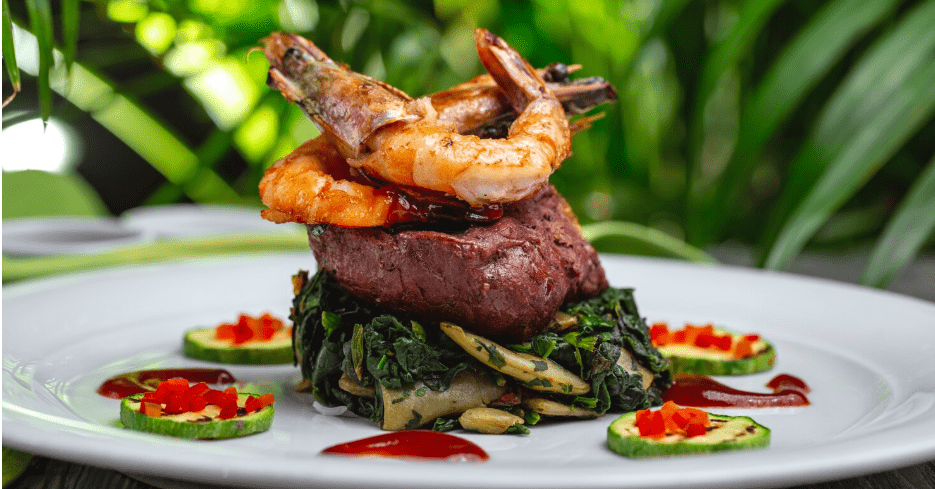
There’s a reason why the gateway dish is likely garlic-lime shrimp on skewers. The shrimp are pink-edged and slightly charred after being marinated in olive oil, lime juice, garlic, and chili flakes for twenty minutes. They are then cooked for two or three minutes on a hot grill or grill pan. If you serve them over a green salad, you’ll have something more affordable than an appetizer and it will feel like a restaurant order. Similar principles apply to blackened salmon tacos: the structural work is done by shredded cabbage, a hot skillet, Cajun spice, and corn tortillas heated right over the burner. Tuna avocado salad tastes more like a real choice and requires less time than ordering takeout.
Observing the behavior of this food category gives the impression that it has been undersold to the typical home cook. The protein content is startling: a three-ounce portion of tuna or salmon typically contains 22 to 25 grams, shrimp is closer to 20, and scallops is in the same range. Mackerel, which weighs around 20 grams and contains more omega-3 fatty acids than nearly anything else on the counter, is still viewed with suspicion in most American kitchens. It is difficult to dispute the cardiovascular data on two or three servings per week for adults over fifty. Even so, the majority of people disagree, usually by purchasing chicken.
Scallops seared in butter with a dash of dry vermouth, crab cakes pan-fried and finished with a squeeze of lemon, cod baked under a thin crust of panko and Dijon, and halibut grilled with lemon and capers all take less time than recording a podcast. Mackerel run with miso glaze under the broiler. Toast with sardines and chili oil. A quick shrimp scampi over linguine that boils in the same amount of time as the pasta water. A head of garlic and a can of quality clams are used to make clam pasta. Crisp salmon patties made from leftover fillets in a cast-iron skillet. Sliced rare tuna steak with sesame oil on top of greens.
Observing how these dinners are put together makes it difficult to ignore the possibility that seafood is the most honest weeknight ingredient in the American kitchen—it’s quick, high in protein, and scaled for modern living. Thirty minutes, one pan, two people. The fish counter has been waiting in silence.
