

Around the Portsmouth toll booths on I-95 North, there’s a moment when the atmosphere shifts. It’s subtle, like a little drop in temperature and a briny smell coming from the car’s vents. For twenty-two years, that moment has consistently arrived every July for a suburban Connecticut family. Not because that’s how it was intended. Eventually, it became the kind of thing you don’t question because it just kept happening.
The journey began quite simply, as is the case with most enduring customs: with hunger rather than ceremony. A diversion. A hand-painted sign promoting fresh lobster rolls is located close to the highway. The smell of woodsmoke and low tide filled the parking lot. There were two adults and a young child who mostly ignored the lobster in favor of eating the buttered roll. No one took pictures of it. It was not referred to as a tradition. Why wouldn’t they simply return the next summer?
| Trip Profile | Details |
|---|---|
| Tradition Name | Annual Family Lobster Road Trip Through Maine |
| Duration of Tradition | 22 Years and counting |
| Primary Destination | Portland, Maine — Commercial Street Waterfront |
| Route | Boston → Portsmouth, NH → Portland, ME (~2 hrs) |
| Signature Food | Maine Lobster Roll (cold, mayo-dressed or warm, butter-drizzled) |
| Maine’s Lobster Status | Largest lobster-producing state in the United States |
| Conservation Note | Most regulated lobster fishing state in the U.S. |
| Population Concern | Gulf of Maine lobster population dropped ~40% over three years (2023 assessment) |
| Cultural Significance | Lobster roll evolved from fishermen’s work lunch to New England’s most iconic food |
| Best Local Experience | Lucky Catch Cruises, Portland — commercial license + educational bay tours |
| Further Reading | National Geographic — History of the Lobster Roll |
When you first arrive, Portland’s Commercial Street waterfront doesn’t seem like much. Fishing boats gently rocking against the docks, red brick buildings, and seagulls circling in their typical opportunistic manner. However, this place has a texture that develops over time. You begin to notice things, such as how the lobster shacks reorganize themselves from season to season, which boats have returned and which have subtly vanished, and the mix of new and old faces at the counter. It’s not a postcard; it’s a place to live.
It’s more difficult to identify what prevents the trip from happening again even though the highway and destination are the same. After a difficult year, the family sometimes arrives in the summer and dines in almost complete silence, the food doing the work that words cannot. In other years, the lobster roll becomes almost ceremonial, cracked open with a sense of reverence, as they celebrate something, such as a job, a graduation, or a health scare. Chilled meat, delicious mayo, and a toasted split-top bun with enough butter to leave your fingers shining are all staples of the cuisine. It is never surrounded by what is.
This family’s mishap might be an example of a larger reason why the lobster roll is still popular today. Over the centuries, lobster’s cultural significance has drastically changed, according to food historian Megan Elias of Boston University. Once so common along the New England coast that it was used as fertilizer, it eventually became rare enough to feel special. A lobster roll’s current significance is partly due to its rarity. You’re not merely having lunch. You’re consuming something that, in many respects, took a long time to arrive.
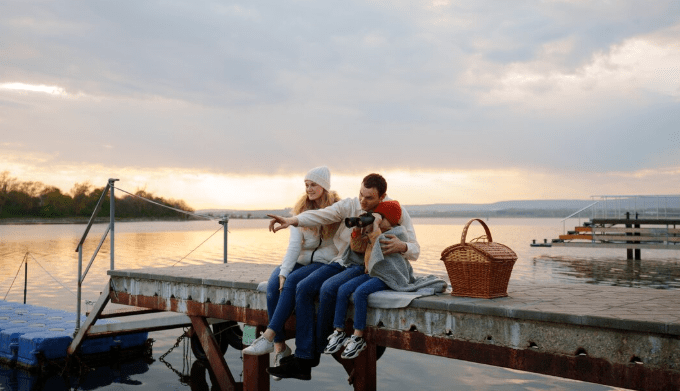
Seeing families like this one come back year after year gives me the impression that Maine serves as a sort of anchor. The actual, functional, somewhat weathered coast—not a theme park version. Commercial fishing excursions are still offered by Portland-based Lucky Catch Cruises, where you can haul traps with the captain. Most days, they find crabs, sometimes nothing, and sometimes a keeper. The catch isn’t the point. It’s the buoy rope, the chilly wind, and the specific gray-green hue the water takes on when clouds pass over the ocean. People continue to return for that reason.
Twenty-two years is a long time to accomplish anything. Now an adult, the child who once left her lobster on the table orders her own and devours every bite. The parents are walking along the waterfront more slowly than they used to. It feels like a shorter drive, which is probably significant. They’ll make the same exit in July of next year. Somewhere near Portsmouth, the atmosphere will shift. It will momentarily taste like butter, salt, and cold Atlantic water, the way it always does, the way it never quite does twice, regardless of how difficult, easy, quiet, or noisy that summer has been.
