

Pick up a bag of frozen shrimp from practically any American grocery store. Turn it over. It probably states “Product of Thailand, Ecuador, or India.” It’s not a coincidence. The American shrimp market has been methodically and covertly transferred to foreign aquaculture companies for the last thirty years. These companies produce at a scale and cost that domestic fishermen are unable to match. And for the most part, it didn’t seem to bother anyone in the industry. It is a problem for one New Orleans company. extremely disturbed.
For the past four years, Crescent City Shrimp Co., which is still small enough for its founders to answer their own phones, has worked to persuade American customers, eateries, and retailers that shrimp harvested from the Gulf of Mexico is not simply different from what is imported. It’s superior. Significantly better in terms of meaning. It’s also possible that the argument is at last beginning to settle.
Shrimp are the most popular seafood among Americans. More than crab, more than tuna, more than salmon. Approximately six pounds per person annually. This may seem insignificant, but when you multiply it by 330 million people, the figure becomes startling. There is a huge appetite. However, the domestic supply has been declining for years due to the 2010 Deepwater Horizon spill, cheap farmed shrimp from overseas, and an industry structure that never really rewarded quality over volume.
The majority of Americans seem to have forgotten the true flavor of Gulf shrimp. In the past, the shrimp cocktail was a formal event that required dressing up and signified a successful night out. Shrimp is now a standard protein on fast-casual menus, piled on top of tacos and pasta bowls, readily available, and nearly completely unidentified. There’s a certain cultural honesty to the “endless shrimp” promotions that chains run every fall: the shrimp isn’t the main attraction. The point is the abundance.
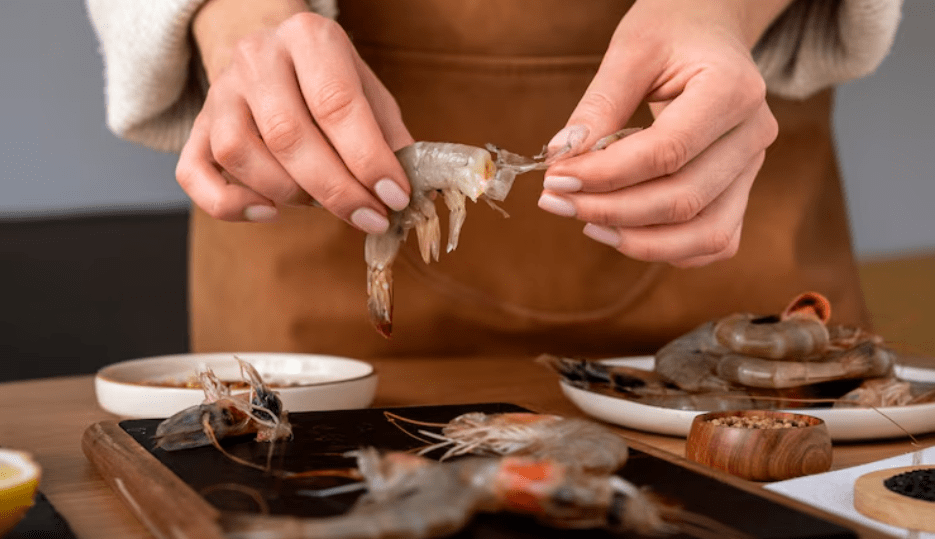
The founders of Crescent City Shrimp Co. were raised fishing the bayou, or at least nearby enough to recall a time when that distinction was significant. Their selling point to customers is straightforward: Gulf shrimp that are wild-caught, harvested within 200 miles of the coast, processed, and shipped in less than 48 hours. The slightly firm, meaty bite that food writers sometimes refer to as “pork-adjacent” is a result of the collagen structure in wild shrimp, which contrasts sharply with the softer texture of farmed imports. It’s difficult to ignore what you’re tasting once you know what it is.
It is more difficult than it seems to scale that argument into a market strategy. Decades of infrastructure, including well-established cold chains, processor connections, and retail shelf space, support imported shrimp. A startup that sells high-quality Gulf shrimp is up against a system designed to produce cheap shrimp. Whether the business can expand quickly enough to make a difference before its operating expenses surpass its momentum is still up in the air.
However, something is changing. Unusually, chefs in New Orleans, a city with genuinely strong opinions about where its seafood comes from, have begun mentioning Crescent City specifically on menus. Their product has been picked up by a few independent grocers in the Southeast. Two years ago, no one took the direct-to-consumer portion of the business seriously, but it seems to have doubled last year. Every morning, the founders wonder if that’s a trend or a blip.
It is difficult to watch this without thinking about what was almost lost. The history of the Gulf shrimp industry is lengthy and complex, involving labor scandals in the early 1900s, Chinese immigrants dancing shrimp out of their shells on wooden platforms in the Mississippi delta, and the gradual transformation of a local culinary custom into a worldwide commodity. Families that used to fish for wild shrimp along the Louisiana coast have been selling their boats and watching their docks become quiet for the past 20 years. It requires multiple strong starts to reverse that. However, you must begin somewhere.
Crescent City is betting that Americans will pay more for something genuine if they have a choice and a reason to care. It’s a hopeful wager. Observing what they’ve constructed thus far, it’s also not wholly irrational.
