

The frozen margarita, the conch fritter from a chain restaurant on Duval Street, and the lobster soup that tastes like it came from a Sysco box are examples of the Florida Keys that exist for tourists. You can find that version everywhere. It can be found in Key West’s main strip, in hotel restaurants, and at establishments with a hostess stand and a QR code menu. It’s alright. It’s also not the reason the Florida Keys are America’s top seafood destination.
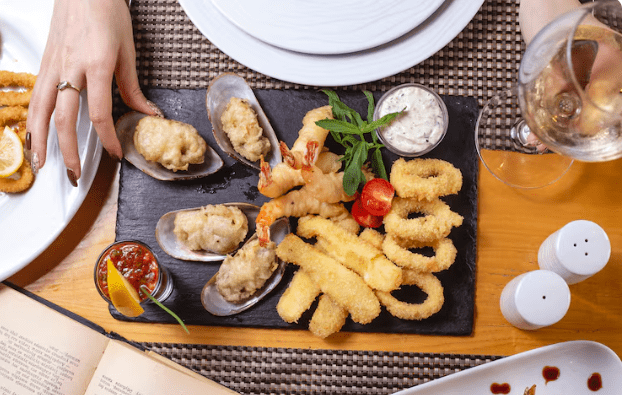
The water is where the true case for the Keys begins. The archipelago, which is located where the Atlantic and Gulf of Mexico converge, is home to more saltwater fish species than any other location in the nation thanks to its tidal flats, seagrass beds, and coral reef systems. The plate is directly impacted by that biodiversity. The texture and taste of yellowtail snapper harvested from the reef in the morning are superior than those of the same species farther north. Technically a wrasse, hogfish are slow-growing, truly wild fish that are native to Keys waters and are rarely found on menus outside of the area. The sweetness of Key West pink shrimp, which are taken from the Dry Tortugas fishing grounds, is very different from that of the commodity shrimp that are sent from Southeast Asia and used in most American restaurants.
The main tourist route is the first thing to avoid if you want to eat it correctly. The most prominent restaurant strips in Islamorada and Marathon, as well as Duval Street in Key West, are designed with foot traffic rather than provenance in mind. The dockside shacks, the taco windows next to operational marinas, and the areas where pickup trucks outnumber rental cars in the parking lot are all worthwhile locations. One of the most well-known examples of purchasing from the source is Key Largo Fisheries, a functional seafood cooperative where you can buy directly from commercial fishermen or have the fish prepared on-site at prices that reflect the true value of the product rather than what a waterfront lease requires.
The tourist version of the Keys fails to convey the significance of seasonal timing. Locals with traps and divers who have been waiting since spring come for the first few weeks of spiny lobster season, which begins in August. The season for stone crabs is October through May, and those who have eaten them in the Keys for years remember the claws, which are served cold with mustard sauce. These are not new developments. They are the place’s beat.
Every time lionfish is offered on a menu, there is an environmental justification for consuming it. Reef fish populations in the Keys and elsewhere have been severely impacted by this Indo-Pacific invasive species, which lacks natural predators in Caribbean and Atlantic seas. The issue has been somewhat mitigated by hook-and-cook programs. The fish itself tastes good when grilled and has firm white meat with a little buttery flavor. One of the few situations where eating something directly supports an ecological management objective is when you order it from a restaurant that sources it locally.
The closest thing to a litmus test for determining whether you’re approaching the Keys appropriately is No Name Pub on Big Pine Key. Only cash, no roadside signage, dollar bills adhered to the ceiling and walls, and a pizza that has been on the menu since before anyone had the idea to Instagram it. Although it’s not as much of a seafood attraction as Key Largo Fisheries, it still takes the same perseverance to look past the obvious and discover what’s truly there. Applying that feeling consistently from Key Largo to Key West along US-1 is what distinguishes a memorable meal from a tourist excursion.
