Close Menu
FishonlineFishonline
  • Homepage
  • Contact
  • Privacy Policy
  • Disclaimer
  • About
  • TOS
  • Seafood
  • News
  • Trending
  • Travel
What's Hot

$250,000 Worth of Stolen Seafood Was Recovered From a Cargo Truck in Guadalupe County. The Story Is Wild

June 23, 2026

Inside the Fight to Save Wild Atlantic Salmon From a Regulatory Framework That Scientists Say Is Already Too Late

June 23, 2026

I Travelled to Five American Oyster Regions in Three Weeks. The Winner Was Not Who Anyone Expected

June 23, 2026
FishonlineFishonline
Subscribe
  • Homepage
  • Contact
  • Privacy Policy
  • Disclaimer
  • About
  • TOS
  • Seafood
  • News
  • Trending
  • Travel
FishonlineFishonline
Home » Inside the Fight to Save Wild Atlantic Salmon From a Regulatory Framework That Scientists Say Is Already Too Late
News

Inside the Fight to Save Wild Atlantic Salmon From a Regulatory Framework That Scientists Say Is Already Too Late

Mildred BellBy Mildred BellJune 23, 2026Updated:June 23, 2026No Comments4 Mins Read
Facebook Twitter LinkedIn Telegram Pinterest Tumblr Reddit WhatsApp Email
Save Wild Atlantic Salmon From a Regulatory Framework
Share
Facebook Twitter LinkedIn Pinterest Email

Compared to earlier times, the rivers are now quieter. When you speak with people who have been observing Atlantic salmon for a sufficient amount of time, the first thing you notice is the lack of fish in areas where there used to be plenty, not the data or the policy documents. The same thing is being said in several languages by guides, biologists, and Indigenous knowledge holders on rivers in Nova Scotia, the Highlands of Scotland, and parts of the Restigouche in New Brunswick: the fish are not returning in the same manner.

What the river watchers have been describing for years is confirmed by the figures. The International Council for the Exploration of the Sea has estimated that within the last 25 years, wild Atlantic salmon populations have decreased by about 70%. Many rivers’ returns are at all-time lows. The species is officially categorized as endangered in a number of jurisdictions. The decline is a gradual accumulation rather than an abrupt collapse, as the species absorbs pressure from several directions at once and does not have enough time to recuperate between blows.

The pressures have been thoroughly documented. Sea lice are produced at levels that juvenile wild salmon cannot withstand due to open-net pen salmon farming, which is concentrated in coastal waters that wild fish must go through during migration. Farm animals can transmit diseases to wild populations. The genetic characteristics that enable wild salmon to travel particular rivers and endure particular conditions are diluted when escaped farmed fish interbreed with wild ones.

The issue at the freshwater end is exacerbated by habitat degradation, including as dams obstructing migration pathways, deforestation eroding stream banks, and agricultural runoff damaging spawning gravel. Additionally, the survival rates of young fish in the North Atlantic feeding grounds that wild salmon rely on before returning to spawn are declining due to rising ocean temperatures brought on by climate change.

The speed of the response, rather than the intricacy of the threats, is what frustrates researchers the most. There is a Wild Atlantic Salmon Conservation Policy in Canada. There is a Wild Salmon Strategy in Scotland. Since its founding in 1984, the North Atlantic Salmon Conservation Organization has coordinated management throughout the species’ range.

However, environmental organizations and independent scientists contend that these frameworks were designed for a previous era, one in which issues could be resolved over years rather than months, and where regulatory procedures had time to grind through consultation periods before anything actually changed. The agreements that NASCO oversees are not legally enforceable. It may take years for Canada’s implementation plans to become legally binding. Important agricultural areas like Tasmania, Chile, and New Brunswick still lack the legislative tools necessary to stop or significantly punish salmon escapes.

Catch-and-release regulations, seasonal closures, and river-by-river limitations are examples of the angling bans that typically follow each crisis; they treat the symptom without addressing the underlying problem. The endangerment of wild Atlantic salmon is not due to recreational anglers. Conservation experts have been publicly denouncing the policy decision to restrict their access while maintaining open-net aquaculture operations in the same coastal waters for years, with little impact on the course of legislation.

Outside of the official frameworks is what’s really making a difference, at least in certain places. Fish haven’t had access to spawning habitat in decades, but dam removal projects on coastal rivers in Maine, New Brunswick, and portions of Europe have restored it. Stream structure and water quality in degraded tributaries are being restored through watershed restoration initiatives.

Through organizations like the Unumagi Institute of Natural Resources, indigenous communities in Atlantic Canada are managing local salmon populations in ways that government agencies have not been able to duplicate by fusing traditional ecological knowledge with modern science. Compared to a national policy, these initiatives are narrower in scope. Additionally, they are quicker, more precise, and more sensitive to the actual conditions in the water.
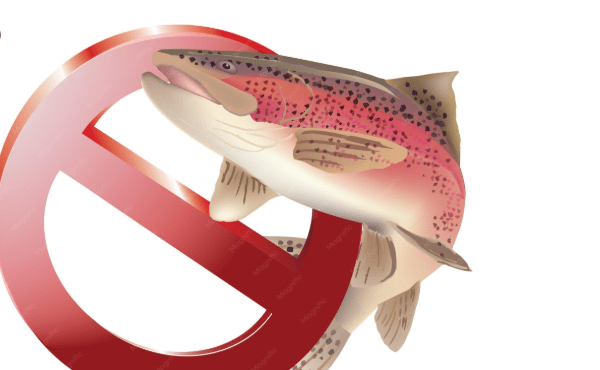
Save Wild Atlantic Salmon From a Regulatory Framework

It’s really unclear if any of it will be sufficient. In contrast to conservation news releases, the scientists who research this most closely are not optimistic. They speak cautiously and qualifiedly about genetic diversity, population thresholds, and uncontrollable ocean circumstances. There is less noise in the river. Whether the work taking place on its banks can surpass that occurring in the ocean offshore is the question.

Endangered in multiple jurisdictions NASCO — North Atlantic Salmon Conservation Organization Save Wild Atlantic Salmon From a Regulatory Framework Scotland's Wild Salmon Strategy
Share. Facebook Twitter Pinterest LinkedIn Tumblr Telegram Email
Previous ArticleI Travelled to Five American Oyster Regions in Three Weeks. The Winner Was Not Who Anyone Expected
Next Article $250,000 Worth of Stolen Seafood Was Recovered From a Cargo Truck in Guadalupe County. The Story Is Wild
Mildred Bell

    Mildred Bell is a full-time digital professional, seasoned traveler, and ardent outdoor enthusiast who infuses her writing with a sincere love of the natural world. In her role as Senior Editor at fishonline.co.uk, the online home of Seafood Audit International, Mildred is in charge of editorial content covering news about the seafood industry, updates on food safety, politics, finance, and commentary from prominent figures in the fishing and seafood industries. Beyond the desk, Mildred has a deeper connection to the material she edits. She is a passionate angler who has spent years fishing open waters, rivers, and coastlines throughout the UK and beyond. Her genuine knowledge of the fishing industry informs all of her editorial choices. Mildred's passion for travel stems from the same restless curiosity. She has traveled to many different continents with a rod, a notebook, and an eye for the stories that others overlook.

    Related Posts

    New Sheepshead Size and Catch Limits Could Hit Local Seafood Shops Harder Than Owners Expected

    June 22, 2026

    The Airbnb Study That Reveals Exactly What American Families Actually Need From Coastal Travel Accommodation

    June 22, 2026

    The Fishmonger’s Daughter Opens After Years of Delays — and the Wait Was Apparently Worth Every Day

    June 22, 2026
    Add A Comment
    Leave A Reply Cancel Reply

    You must be logged in to post a comment.

    $250,000 Worth of Stolen Seafood Was Recovered From a Cargo Truck in Guadalupe County. The Story Is Wild

    Seafood June 23, 2026

    Between San Antonio and Seguin, Guadalupe County, Texas, is situated along Interstate 10, a level,…

    Inside the Fight to Save Wild Atlantic Salmon From a Regulatory Framework That Scientists Say Is Already Too Late

    June 23, 2026

    I Travelled to Five American Oyster Regions in Three Weeks. The Winner Was Not Who Anyone Expected

    June 23, 2026

    The ‘Deadzoning’ Travel Trend Encouraging Seafood Lovers to Ditch the Tourist Trail and Find Genuine Fishing Communities

    June 23, 2026

    Why French Travellers Are Choosing Coastal Staycations Over International Seafood Destinations — and What It Means for Tourism

    June 23, 2026

    The Remote Alaskan Fishing Lodge That Has a One-Year Waiting List and Is Worth Every Day of the Wait

    June 23, 2026

    I Took My Four-Year-Old Fishing in Alaska for Two Weeks — It Was the Easiest Family Trip I Have Ever Taken

    June 23, 2026

    Fishonline.co.uk is the official online home of Seafood Audit International, a UK-based food safety and quality management consultancy with more than 25 years of hands-on experience in the global seafood and fishing industries. Based in Wellington, Somerset, we work with fish processors, food businesses, government inspection services, and international organisations to deliver practical, measurable, and cost-effective food safety solutions.We are not a generic food safety company. Seafood and fish products are our entire focus — and that specialisation is what makes us different.Who We AreSeafood Audit International was founded on a straightforward belief: that food safety training and quality management should be practical, accessible, and genuinely useful — not a box-ticking exercise.For over two decades we have worked with clients ranging from high street fish retailers and small-scale processors to large-scale international fishing operations, government bodies, and seafood exporters in the developing world. Our experience stretches from dhows on Lake Victoria to the trawlers of the UK coastline — giving us a depth of real-world knowledge that classroom-only consultancies simply cannot match.Our lead consultant is a fully qualified auditor with extensive experience across British Retail Consortium (BRC) and ISO 9000 quality management standards, HACCP implementation, food hygiene, and the development of national food safety legislation for governments internationally.What We DoSeafood Audit International provides a comprehensive range of training, auditing, and consultancy services tailored specifically to the seafood and fishing industries:Training Courses

    Top Insights

    $250,000 Worth of Stolen Seafood Was Recovered From a Cargo Truck in Guadalupe County. The Story Is Wild

    June 23, 2026

    Inside the Fight to Save Wild Atlantic Salmon From a Regulatory Framework That Scientists Say Is Already Too Late

    June 23, 2026

    I Travelled to Five American Oyster Regions in Three Weeks. The Winner Was Not Who Anyone Expected

    June 23, 2026

    The ‘Deadzoning’ Travel Trend Encouraging Seafood Lovers to Ditch the Tourist Trail and Find Genuine Fishing Communities

    June 23, 2026

    Why French Travellers Are Choosing Coastal Staycations Over International Seafood Destinations — and What It Means for Tourism

    June 23, 2026
    Disclaimer

    Important Editorial Notice: All content on fishonline.co.uk, including that pertaining to business finance, political developments, financial markets, and regulatory changes, is provided solely for informational and discussion purposes. It is merely the opinion of a third party and does not represent the expert advice of fishonline.co.uk or Seafood Audit International.
    We strongly advise against taking any action based on any political, legal, or financial information found on this website without first consulting an impartial expert. Seafood Audit International is not governed by the Financial Conduct Authority (FCA) and is not permitted to offer financial advice. Always seek advice from an independent financial advisor authorized by the FCA before making any financial decisions. Seek legal advice from an experienced attorney.

    © 2026 ThemeSphere. Designed by ThemeSphere.
    • Homepage
    • Contact
    • Privacy Policy
    • Disclaimer
    • About
    • TOS
    • Seafood
    • News
    • Trending
    • Travel

    Type above and press Enter to search. Press Esc to cancel.