

No one plans a fishing vacation to Iceland with the expectation that it will transform them. The pitch isn’t like that. There are basalt canyons, salmon in gin-clear water, a cabin with a sauna, and a respectable wine list. Realistic. Gorgeous. A pleasant week off. However, the unique circumstances of fly fishing in Iceland—the beat system, the quiet, the enduring light—tend to have an impact on people that is more difficult to characterize than the scenery.
It includes the beat system. Iceland controls its rivers so that a single angler or small group can only use a specific area of water at a time. Upstream, there are no people. Fifty meters away, no one is working in the same pool. For the duration of your session, the entire stretch of river is yours, and the impact of that kind of forced seclusion is more bizarre than it may seem. Cities don’t have a term for the kind of silence that occurs when you stand in a glacial river in North Iceland and cast into a basin behind a waterfall that is so loud you can’t hear anything else.
The act of fishing itself requires a certain level of concentration that is actively undermined by modern living. Distraction is not rewarded by Atlantic salmon. They can ignore a well-presented fly for hours till something changes, such as the light, temperature, or mood of the river, and they begin to move. They are very discriminating and erratic.
Fish are not caught by a fisherman who lacks focus. When an angler pays attention, they gradually begin to notice things like how the current shifts at the intersection of two flows, where fish rest in between runs, and what the color of the water indicates about circumstances downstream. Although it isn’t meditation in the traditional sense, the results are comparable. The phone doesn’t matter. There are no emails.
It’s hard to distinguish the landscape from the fishing experience itself. Black sand canyons, lava fields, glaciers visible from the bankside, and waterfalls that appear out of nowhere around a river bend are some of the unrealistic landscapes that surround Iceland’s fishing rivers. You can walk twenty minutes in the morning from a tundra plateau to the bottom of a canyon. Highland lakes and minor river systems are home to Arctic char, which are frequently trapped in water so clear you can see them follow the fly before they eat it. The psychology of fishing is altered by this visibility in unexpected ways.
The Icelandic Grand Slam, which involves catching resident brown trout, sea-run brown trout, Atlantic salmon, and Arctic char all in one trip, is the kind of objective that molds an itinerary without ever feeling competitive. There is no catch-and-release remorse when you return something to water that is already ideal, the fish are native, and the water is clean.
The Westfjords offer a completely different experience for sea anglers who love coastal fishing: cod taken from chilly, dark water, and enormous halibut from small boats in fjords with vertical walls rising hundreds of meters above the ocean. The drama of the scene is a reward in and of itself, and it’s fishing on a new scale.
Near the end of an Iceland fishing week, there’s a feeling that’s difficult to replicate artificially. It’s a sort of recalibration that occurs when the brain has been working on a single analog problem for several days in a physically demanding, visually stunning setting. The entire luxury experience at Deplar Farm in North Iceland is built around this idea: private waters, guiding, locally sourced cuisine, and evenings that might theoretically last until midnight in the summer sun.
A different approach is taken by Fish Partner’s Highland Trout Lodge, which places fishermen in isolated Highland areas that are difficult to access. Access to one of Iceland’s most productive salmon rivers is provided by Long Valley Lodge on the Blanda River, which doesn’t strive to be anything other than what it is.
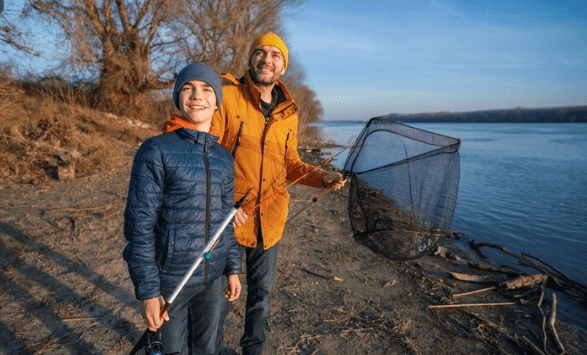
It probably relies on what you bring to an Icelandic fishing trip as to whether it is truly transforming. You may go fishing casually for a week, eat nicely, and return home feeling delightfully renewed. However, the unique circumstances of Icelandic fly fishing—the isolation, concentration, constant light, and exceptional water—tend to do something to the nervous system that a weekend at a spa just doesn’t reach for those who come with the weight of a life spent mostly indoors and online.
