

In Pennsylvania, a trout must be at least seven inches in size to be kept for forty-three years. Many generations of fishermen, numerous changes to other laws, and decades of shifts in the state’s fisheries management practices have all been surpassed by that figure. If the Pennsylvania Fish and Boat Commission decides as anticipated at its board meeting on July 27, it will reach nine inches on January 1, 2027. It is two inches. It seems insignificant on paper. In reality, it completely transforms native wild brook trout.
The mechanics of the proposal are simple. An angler must have trout that is at least nine inches long in order to retain it. The new floor is that. The restriction won’t significantly affect anyone fishing stocked water, which is where the majority of Pennsylvania’s weekend anglers spend their time. The state presently supplies hatchery trout at lengths that often surpass eleven inches. On opening weekend, you will still be able to maintain your hatchery fish limit. The majority of stocked creek sections will provide a similar experience.
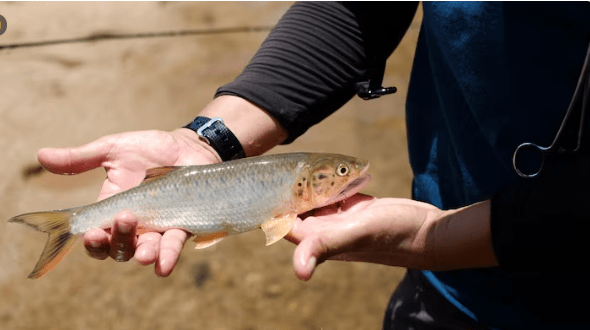
In reality, the rule is intended to safeguard wild brook trout. Nearly no wild brook trout in Pennsylvania normally grow larger than nine inches, according to biologists working with the commission. They live in streams that are frequently chilly, small, and nutrient-poor. In those circumstances, fish grow slowly. Although a seven-inch wild brook trout is young enough to be removed from the population before it can fully contribute to reproduction, it is already mature and frequently capable of spawning. Since there aren’t many natural brook trout that surpass the new threshold, raising the restriction to nine inches effectively provides a catch-and-release rule for this species as well as protecting larger fish.
It is more difficult to disregard Pennsylvania anglers’ support for this proposal than the science since public opinion seldom aligns so clearly with conservation results. According to a 2023 Trout Angler Survey, 85% of participants supported increasing the minimum size requirement. For any regulation topic involving anglers, who typically have strong and varied opinions about harvest rules, that is a high number. According to the consensus, the majority of Pennsylvania trout water fishermen already comprehend the goals of the regulation and accept its justification.
It’s important to consider the larger background. For many years, catch-and-release fishing has become more popular in freshwater fishing due to a number of factors, including changed attitudes among younger fishermen, selective pressure on wild fish populations, and the simple fact that stocked fish have taken over the harvest function in most areas. Pennsylvania’s implementation of this rule is not particularly radical.
Native trout species have long been subject to more stringent laws in states like Vermont, Michigan, and Montana. The seven-inch restriction was established in 1983 under different circumstances, using different population statistics and a different comprehension of the long-term responses of wild brook trout populations to fishing pressure.
What has already undergone a thorough public comment process is anticipated to be formalized by the commission’s final vote on July 27. The PFBC’s regulatory changes page allows anglers to follow the regulation as it progresses through final rulemaking, and anyone planning a trip in the spring or early summer should check the commission newsroom’s stocking schedule for the most recent locations of hatchery fish. Since the rule won’t go into effect until January 2027, there will be one more complete season under the current restrictions before the change is implemented.
