

On a Thursday morning, while standing on a functional dock somewhere along the coast of South Carolina, you notice something that shouldn’t be there: silence. No processing workers sorting catch, no trucks backing up to unload hauls, and no familiar odor of diesel and saltwater permeating the air. Only a couple of tied-up boats, gently rocking. It’s the kind of silence that conveys a message without using any words.
Once a dependable pillar of South Carolina’s coastal economy, the state’s commercial fishing sector is shrinking. The reasons are complex and multifaceted, including deteriorating infrastructure, a lack of dock space, a dearth of processing facilities, and federal regulations that even the most patient fishermen are starting to publicly question. Even though the waters offshore are reportedly teeming with fish, what’s left is an industry that feels hollowed out.
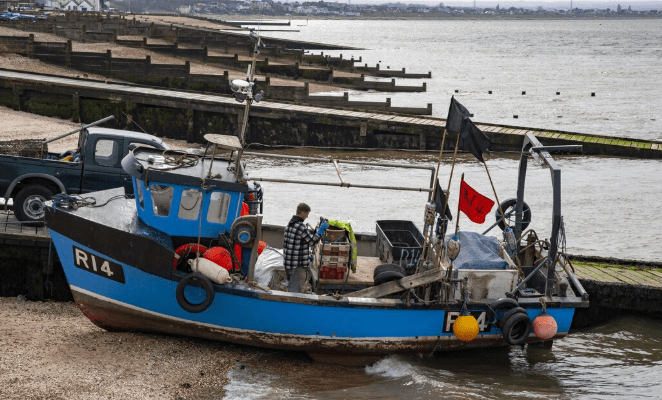
If you haven’t heard about the red snapper situation from someone who actually fishes out there, it can be hard to comprehend. Will Sneed, who has been bottom-fishing off the coast of South Carolina for thirty years, will tell you straight out that the reefs are overrun. In order to avoid red snapper concentrations that are dense enough to strip bait before grouper or sea bass have a chance, he and his fishing partner Mac McGuire frequently have to switch locations. Traditionally a mid-column to bottom species, red snapper have been observed surfacing near chum bags meant for cobia. That isn’t a balanced, healthy ecosystem. That population has outgrown its management strategy.
South Atlantic red snapper was given a recovery target date of 2044 by the federal rebuilding program, which was started in 2010 in response to real overfishing concerns. The science was effective in some ways. The populace returned. The issue is that the regulations, which still limit recreational harvesting in federal waters to one day per year and one fish per person, have not kept up with this reality. Although South Carolina relaxed state water regulations in 2022, the majority of red snapper fishing occurs well beyond state jurisdiction, which is under federal control.
A more difficult discussion should be prompted by the safety implications of a one-day season alone. An armada of boats crowds the same reef systems when all participating anglers must go out on the same day. Those boats go out even if conditions worsen but fall short of small-craft advisory levels. This is the kind of policy outcome that was probably not intended, but it has happened.
In the meantime, the larger commercial infrastructure is discreetly vanishing. Dock access is restricted, processing capacity is declining, and the upcoming generation of commercial fishermen must contend with a startup environment that makes it extremely difficult to envision a future. It seems as though the industry is losing its institutional knowledge, docks, and facilities just when it needs them most.
Recreational and charter fishing have emerged to help close that gap. More and more, independent bottom-fishermen, guided boat captains, and offshore anglers are recording what is truly out there. There appears to be a desire among fishermen to make a significant contribution to management decisions if given the opportunity, as evidenced by citizen science partnerships between fishing fleets and research institutions—a model that has demonstrated genuine promise in New England with black sea bass data collection.
That change in the resource’s stewardship may be irreversible. Alternatively, more intelligent federal regulations that take into account a red snapper population that has recovered and an ocean that is actually different from the one that managers surveyed twenty years ago might be able to revive commercial fishing. The fish are out there right now. The more difficult question is whether the industry will be there to meet them.
