Close Menu
FishonlineFishonline
  • Homepage
  • Contact
  • Privacy Policy
  • Disclaimer
  • About
  • TOS
  • Seafood
  • News
  • Trending
  • Travel
What's Hot

New Sheepshead Size and Catch Limits Could Hit Local Seafood Shops Harder Than Owners Expected

June 22, 2026

How the FDA’s Expanded Seafood Import Scrutiny Program Could Disrupt the American Sushi Industry Almost Overnight

June 22, 2026

A Baltimore-Based Seafood Restaurant Is Coming to Jacksonville’s Riverfront Plaza — and the City Is Divided

June 22, 2026
FishonlineFishonline
Subscribe
  • Homepage
  • Contact
  • Privacy Policy
  • Disclaimer
  • About
  • TOS
  • Seafood
  • News
  • Trending
  • Travel
FishonlineFishonline
Home » How the FDA’s Expanded Seafood Import Scrutiny Program Could Disrupt the American Sushi Industry Almost Overnight
Food

How the FDA’s Expanded Seafood Import Scrutiny Program Could Disrupt the American Sushi Industry Almost Overnight

Mildred BellBy Mildred BellJune 22, 2026No Comments4 Mins Read
Facebook Twitter LinkedIn Telegram Pinterest Tumblr Reddit WhatsApp Email
How the FDA's Expanded Seafood Import Scrutiny Program Could Disrupt the American Sushi Industry Almost Overnight
Share
Facebook Twitter LinkedIn Pinterest Email

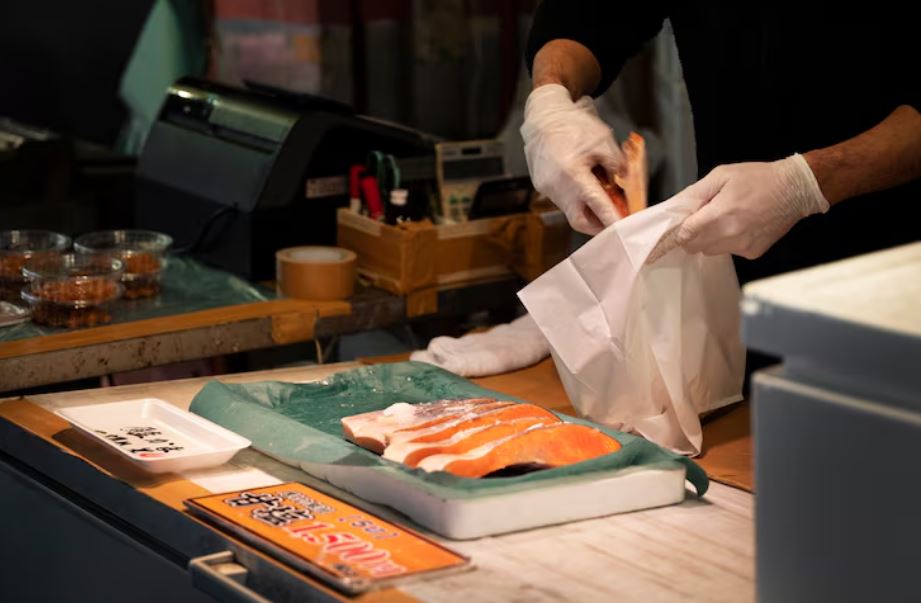
You can see a global supply chain under the guise of a lunch special when you walk into practically any sushi counter in America. The Pacific or Indian Ocean is most likely where the tuna originated. The shrimp were probably raised in Indonesia, India, or Ecuador. Approximately 94% of the seafood consumed by Americans originates from overseas, and this fact will become much more significant than most diners are aware.

The FDA’s strategy for handling imported seafood has been akin to a slow-moving filter for many years: it inspects a sample here, flags a shipment there, and issues an import alert when trends become severe enough. It hasn’t been combative. For years, the Southern Shrimp Alliance and other critics have claimed that it has hardly been operational. However, that is changing. Increased fraud detection, more stringent genetic tracing, and—most importantly—a request to Congress for the authority to physically destroy contaminated shipments rather than simply reject them at the dock are all included in the agency’s 2026 priority list.

Before you realize what it’s replacing, that final piece seems bureaucratic. The current regulations allow an importer to try another port if their shrimp or eel is rejected at one. The FDA cited a specific case from 2023 in which a wholesaler was found smuggling in more than 2,100 cartons of frozen eel that had previously been rejected due to carcinogenic fungicide residue. This practice is known as port shopping, and it appears to be widespread enough. He was given 15 months. According to the agency itself, such cases are uncommon and simple to replicate.

The math for importers quickly changes when the option to simply reroute a rejected shipment is eliminated. A flagged container is now a write-off rather than a delay. Long before the product ever makes it to a Brooklyn izakaya or an Ohio strip mall sushi restaurant, this alters behavior upstream in processing facilities in Vietnam or shrimp ponds in Indonesia.
How the FDA's Expanded Seafood Import Scrutiny Program Could Disrupt the American Sushi Industry Almost Overnight
How the FDA’s Expanded Seafood Import Scrutiny Program Could Disrupt the American Sushi Industry Almost Overnight

It’s important to state clearly that no one is advocating for a sushi ban. However, the seafood industry operates on thin margins and thinner timing, so any new friction at the border usually manifests as price increases, menu substitutions, and, if conditions tighten sufficiently, outright shortages of particular species. Contamination-related supply scares have already occurred at Eel. The most popular seafood in the nation, shrimp, has seen an increase in rejections due to radioactive contamination concerns from Indonesia and prohibited antibiotics from India. A system with less leeway than it has had in decades would result from the addition of destruction authority and more stringent screening.

There is a plausible argument that this is past due. Customers may have a right to know that their nigiri isn’t made with prohibited veterinary medications. However, there is also a more subtle risk that no one in Washington seems to be discussing much: family-run small sushi restaurants lack the purchasing power to adjust to abrupt price fluctuations or switch to alternative sourcing the way a national chain can.

How quickly any of this moves is still unknown. The Destruction of Hazardous Imports Act passed committee with a vote of 43–0, indicating that there isn’t much political disagreement. Louisiana shrimpers and proponents of seafood safety seldom agree on anything, and this is no exception. The speed of implementation, consistency of enforcement, and the ability of the FDA’s historically underfunded inspection division to truly carry out a stricter mandate without additional resources are less certain.

The politics don’t stand out when you watch this play out. It’s the difference between how imperceptible seafood sourcing is to the typical diner and how vulnerable it actually becomes when regulators start tugging on a few threads.

FDA's Expanded Seafood Import
Share. Facebook Twitter Pinterest LinkedIn Tumblr Telegram Email
Previous ArticleA Baltimore-Based Seafood Restaurant Is Coming to Jacksonville’s Riverfront Plaza — and the City Is Divided
Next Article New Sheepshead Size and Catch Limits Could Hit Local Seafood Shops Harder Than Owners Expected
Mildred Bell

    Mildred Bell is a full-time digital professional, seasoned traveler, and ardent outdoor enthusiast who infuses her writing with a sincere love of the natural world. In her role as Senior Editor at fishonline.co.uk, the online home of Seafood Audit International, Mildred is in charge of editorial content covering news about the seafood industry, updates on food safety, politics, finance, and commentary from prominent figures in the fishing and seafood industries. Beyond the desk, Mildred has a deeper connection to the material she edits. She is a passionate angler who has spent years fishing open waters, rivers, and coastlines throughout the UK and beyond. Her genuine knowledge of the fishing industry informs all of her editorial choices. Mildred's passion for travel stems from the same restless curiosity. She has traveled to many different continents with a rod, a notebook, and an eye for the stories that others overlook.

    Related Posts

    New Sheepshead Size and Catch Limits Could Hit Local Seafood Shops Harder Than Owners Expected

    June 22, 2026

    A Baltimore-Based Seafood Restaurant Is Coming to Jacksonville’s Riverfront Plaza — and the City Is Divided

    June 22, 2026

    The Best Seafood Destinations Along Spain’s Basque Coast That Most American Travellers Walk Right Past Without Noticing

    June 22, 2026
    Add A Comment
    Leave A Reply Cancel Reply

    You must be logged in to post a comment.

    New Sheepshead Size and Catch Limits Could Hit Local Seafood Shops Harder Than Owners Expected

    News June 22, 2026

    The seafood counter at Wrightsville Beach’s Motts Channel Seafood has a distinct rhythm. Before lunchtime…

    How the FDA’s Expanded Seafood Import Scrutiny Program Could Disrupt the American Sushi Industry Almost Overnight

    June 22, 2026

    A Baltimore-Based Seafood Restaurant Is Coming to Jacksonville’s Riverfront Plaza — and the City Is Divided

    June 22, 2026

    How Travelling to Portugal Changed the Way I Think About Seafood Forever — and the Three Dishes That Did It

    June 22, 2026

    The Best Seafood Destinations Along Spain’s Basque Coast That Most American Travellers Walk Right Past Without Noticing

    June 22, 2026

    The Shuttered San Antonio Seafood Hidden Gem That Just Made the Most Unexpected Comeback of the Year

    June 22, 2026

    The ASC’s New Seafood Label Standard Debuted at Expo Global 2026 — and Industry Reaction Was Immediate

    June 22, 2026

    Fishonline.co.uk is the official online home of Seafood Audit International, a UK-based food safety and quality management consultancy with more than 25 years of hands-on experience in the global seafood and fishing industries. Based in Wellington, Somerset, we work with fish processors, food businesses, government inspection services, and international organisations to deliver practical, measurable, and cost-effective food safety solutions.We are not a generic food safety company. Seafood and fish products are our entire focus — and that specialisation is what makes us different.Who We AreSeafood Audit International was founded on a straightforward belief: that food safety training and quality management should be practical, accessible, and genuinely useful — not a box-ticking exercise.For over two decades we have worked with clients ranging from high street fish retailers and small-scale processors to large-scale international fishing operations, government bodies, and seafood exporters in the developing world. Our experience stretches from dhows on Lake Victoria to the trawlers of the UK coastline — giving us a depth of real-world knowledge that classroom-only consultancies simply cannot match.Our lead consultant is a fully qualified auditor with extensive experience across British Retail Consortium (BRC) and ISO 9000 quality management standards, HACCP implementation, food hygiene, and the development of national food safety legislation for governments internationally.What We DoSeafood Audit International provides a comprehensive range of training, auditing, and consultancy services tailored specifically to the seafood and fishing industries:Training Courses

    Top Insights

    New Sheepshead Size and Catch Limits Could Hit Local Seafood Shops Harder Than Owners Expected

    June 22, 2026

    How the FDA’s Expanded Seafood Import Scrutiny Program Could Disrupt the American Sushi Industry Almost Overnight

    June 22, 2026

    A Baltimore-Based Seafood Restaurant Is Coming to Jacksonville’s Riverfront Plaza — and the City Is Divided

    June 22, 2026

    How Travelling to Portugal Changed the Way I Think About Seafood Forever — and the Three Dishes That Did It

    June 22, 2026

    The Best Seafood Destinations Along Spain’s Basque Coast That Most American Travellers Walk Right Past Without Noticing

    June 22, 2026
    Disclaimer

    Important Editorial Notice: All content on fishonline.co.uk, including that pertaining to business finance, political developments, financial markets, and regulatory changes, is provided solely for informational and discussion purposes. It is merely the opinion of a third party and does not represent the expert advice of fishonline.co.uk or Seafood Audit International.
    We strongly advise against taking any action based on any political, legal, or financial information found on this website without first consulting an impartial expert. Seafood Audit International is not governed by the Financial Conduct Authority (FCA) and is not permitted to offer financial advice. Always seek advice from an independent financial advisor authorized by the FCA before making any financial decisions. Seek legal advice from an experienced attorney.

    © 2026 ThemeSphere. Designed by ThemeSphere.
    • Homepage
    • Contact
    • Privacy Policy
    • Disclaimer
    • About
    • TOS
    • Seafood
    • News
    • Trending
    • Travel

    Type above and press Enter to search. Press Esc to cancel.