

A quiet rule change that had been in the works for nearly a century came into effect on a gloomy morning in late January, somewhere between the long curl of Cape Cod Bay and the Sagamore Bridge. Formerly prohibited until January 30, Massachusetts now permits the removal of abandoned fishing gear from its beaches and shallows. Even when you say that sentence aloud, it still sounds incorrect. Because state code from 1940 treated a broken lobster trap as private property for sixty days, regardless of whether it had been reduced to plastic confetti, removing one from a public beach could put you in legal hot water.
The change has been presented by the Healey-Driscoll administration as long overdue housekeeping. On paper, it is difficult to dispute Secretary Rebecca Tepper’s assertion that it was a win-win. Every year, about 9% of fishing gear is lost or abandoned, which adds up to an incredible amount of metal, line, and plastic-coated trap wire strewn all over the seabed over the course of a season. Some of it continues to fish long after its owner has forgotten it; scientists have dubbed this unsettling, frictionless process “ghost fishing.”
However, the atmosphere becomes more nuanced after spending a few hours in the parking lot of any working harbor north of Boston. Lobstermen are not opposed to cleanup. They oppose the notion that one day a well-meaning nonprofit with a grant and a skiff, or a community volunteer, might determine which of their traps qualify as debris. In actuality, the distinction between “intact functional gear” and “fishing gear debris” depends on who is removing it from the water. A guy who has been fixing wire pots since the Reagan administration might be able to fix a trap that appears completely destroyed to a Woods Hole college intern. The older fleet believes that the distinction between cleanup and confiscation is more hazy than the press release acknowledges.
For their part, scientists are less understanding of the hand-wringing. For years, researchers at organizations like the Center for Coastal Studies have been surreptitiously removing ghost gear from Cape Cod Bay under strict permits. They have the photos to demonstrate the harm that abandoned wire causes to a young right whale. When you speak with them, you can’t help but notice a sense of weary frustration that comes from witnessing the same issue worsen for ten years while you wait for the state to catch up. They don’t think the new regulation goes too far. It’s just the beginning.
What’s subtly intriguing is that the legislation was developed in a manner that these things seldom do: through a Derelict Gear Task Force that has been meeting in the same room since 2022 and included representatives from the lobster industry, conservation organizations, the Environmental Police, and municipal officials. Dan McKiernan, director of DMF, has taken care to give credit to the lobstermen who contributed to its writing. It remains to be seen if that goodwill endures the first difficult enforcement scenario.
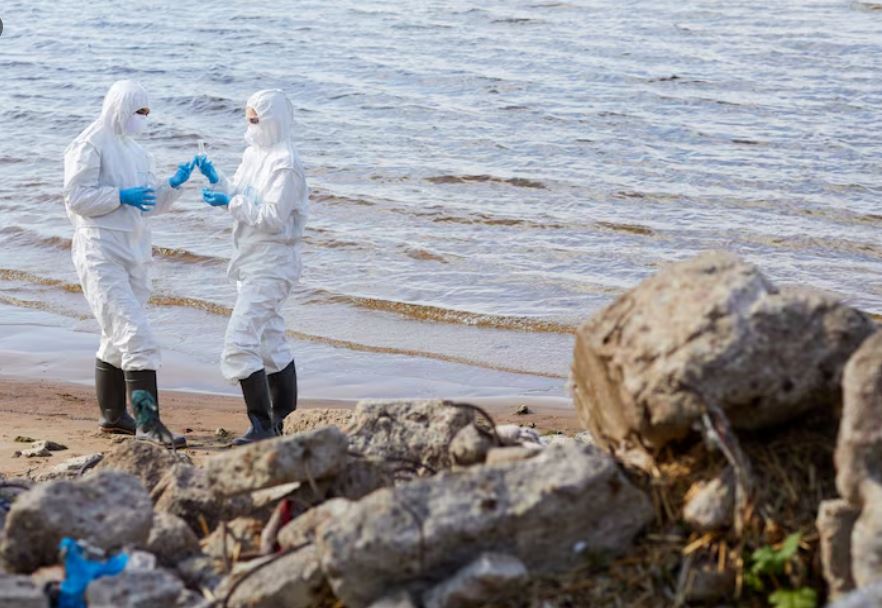
Beneath all of this is a more subdued query that no agency release will directly address. Instead of the wooden lathe pots that fall apart after a few seasons, the majority of contemporary traps are made of plastic-coated metal. The previous legislation presumed that equipment would kindly biodegrade. The new equipment doesn’t. In this way, cleanup is a continuous municipal expense that has not yet been fully priced, rather than a one-time gesture.
The rule might function precisely as intended. By the following summer, it’s also possible that a Chatham town volunteer will set up the wrong trap and the lawyers will show up before the seagulls. In any case, something has changed along the Massachusetts coast. Silently. Without much fanfare. Strangely, this is how most significant things start.
