

This season, a certain type of traveler is showing up at fly shops in Montana who would have been somewhere with a swim-up bar a few years ago. Before sunrise, they arrive in rental trucks, put on waders that never quite stop smelling like a riverbank, and wait six hours in frigid water for something to happen. Most of them will say something similar when you ask how the trip is going: it’s better than the beach.
The figures confirm what outfitters and guides have been observing anecdotally for a few seasons. In 2024, about 58 million Americans took up fishing, a post-pandemic peak that hasn’t subsided like some leisure trends do after the novelty wears off. Bookings for domestic hotels related to outdoor and fishing excursions have increased by over 20% annually, with average daily rates rising by almost 40% in certain markets. That is not a marginalized hobby. That’s a significant change in the direction of disposable travel funds, and it’s occurring more quickly than lodges, guides, and outfitters can handle.
The final section is worth reading because it’s the detail that most reports on this trend overlook. This has nothing to do with fishing being inexpensive or rustic. Rates at establishments like Eleven Rio Palena Lodge in Chile are comparable to those on the Amalfi Coast, and guests are flown in by helicopter to reach unspoiled river valleys. These trips are not being downgraded by the travelers who book them. They are the same individuals who used to occupy Positano suites, but they now use the money in different ways. The helicopter is still a luxury. The wet boots and the six a.m. wake-up call are something else entirely, and strangely, that something else appears to be the real attraction.
Even now, long after most travel habits have returned to normal, it’s difficult to ignore how much of this can be traced back to the pandemic years. Many people who were stuck at home found they didn’t really miss the hotel loyalty points they had spent ten years chasing or the six-city itinerary. Instead of sitting in a lounge chair and watching the scenery pass by, they missed—or perhaps discovered for the first time—the sensation of doing something with their hands. Few other activities provide an answer like fishing, which combines true skill with complete unpredictability. It is impossible to pretend to catch a fish. Nor can you guarantee one.
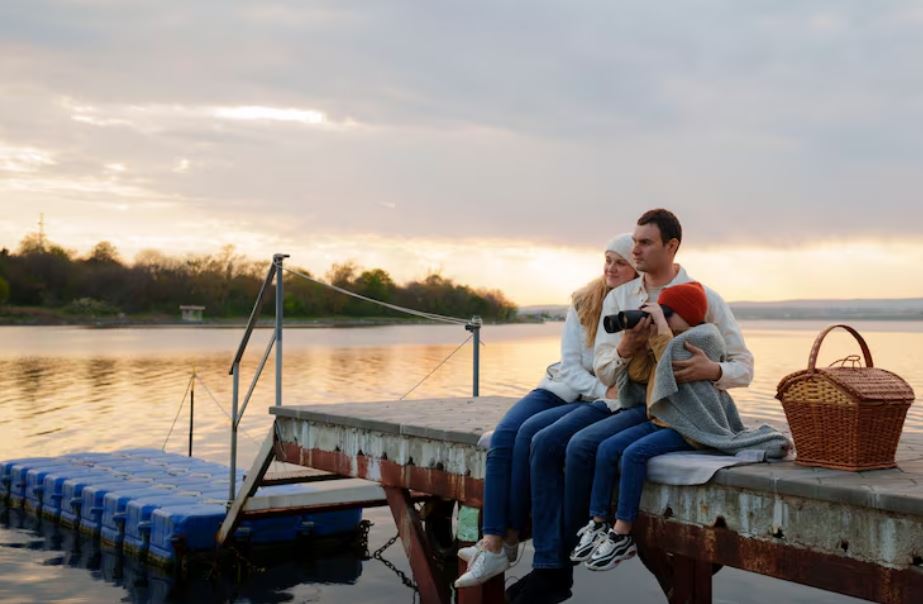
Destinations have become popular very quickly, sometimes in ways that seem almost too timely. Instead of merely viewing coral from a glass-bottom boat, guests on spearfishing excursions at Secret Bay in Dominica now engage in reef conservation efforts by hunting invasive lionfish. Visitors go out on a real working lobster boat at the Chatham Bars Inn in Massachusetts, hauling traps that occasionally come up empty except for a confused starfish, which the captain claims makes kids happier than any lobster. It’s not staged at all. Instead of an experience designed to be photographed well, it appears that this is precisely what customers are paying for: specificity, a sense of a real place with real stakes.
Underneath all of this is a tension that the industry hasn’t yet fully addressed. According to surveys, most Americans have already changed their summer plans due to cost, and geopolitical unpredictability, higher fuel prices, and more complicated international logistics have made some of the traditional standby vacations seem like more hassle than they are worth this year. The fishing boom could easily be interpreted as a simple retreat, with people settling for less as the world became more difficult to navigate. But that explanation is too tidy. Tuscany failed, so tourists aren’t picking a river in Quebec. They’re reevaluating what truly makes a trip worthwhile, and more often than not, it has less to do with thread count and more to do with whether or not they had a genuine experience.
It remains to be seen if lodges and guide services can meet the rapidly increasing demand. A year in advance, some of the most well-known operations are already fully booked. The industry might adapt and grow in a sensible way. Additionally, once word got out, this could become the next crowded niche, similar to how some hiking trails and dive sites did. However, for the time being, the rivers are crowded with former poolside residents who don’t appear to be in a rush to return.
