

When the shrimp boats remain docked, a certain silence descends upon Bayou Dulac. The only movement is caused by gulls circling low over water that should be churning with activity by this stage of the season, while nets hang motionless from their rigging. Legislative summaries rarely include this type of scene, but it was the one that compelled Louisiana lawmakers to take action that most other states have only discussed.
Governor Jeff Landry signed House Bill 857 into law in June at the Jean Lafitte Auditorium, adding what he referred to as “teeth” to the state’s seafood labeling regulations. The law focuses on a particular type of deception called commingling, in which imported shrimp are combined with domestic catch and marketed to gullible consumers as coming from Louisiana. Penalties begin at $15,000 and increase to $50,000 for repeat offenders. It is not a slap on the wrist. For many smaller seafood retailers, that figure could mean the end of their business, and it appears that this is intentional.
Observing this from outside of Louisiana, it’s remarkable how methodical the entire campaign has been. There was more than one bill. The Agriculture Commissioner’s seizure powers, invoice retention requirements, and the reallocation of funds for domestic seafood marketing rather than fraud detection were all part of the sequence. The steady hand behind much of it has been Commissioner Mike Strain, who has repeatedly informed lawmakers that the quickest way to identify a cheater is often through paperwork rather than lab tests. It’s an unglamorous detail, but it’s the kind of detail that turns a law from symbolic to truly enforceable.
In the language of the policy, it’s easy to overlook the human thread that runs through all of this. Growing up near shrimp boats in Terrebonne Parish, Rep. Jessica Domangue—whose father, grandfather, and great-grandfather all worked the water—sponsored multiple bills. She mentioned going shrimping for the first time when she was six weeks old. Lawmakers don’t typically disclose that information, and it’s difficult to ignore how much it influences the urgency of her work. To her, this is not abstract trade policy. A family-run company is being undercut by a product that no one can fully identify.
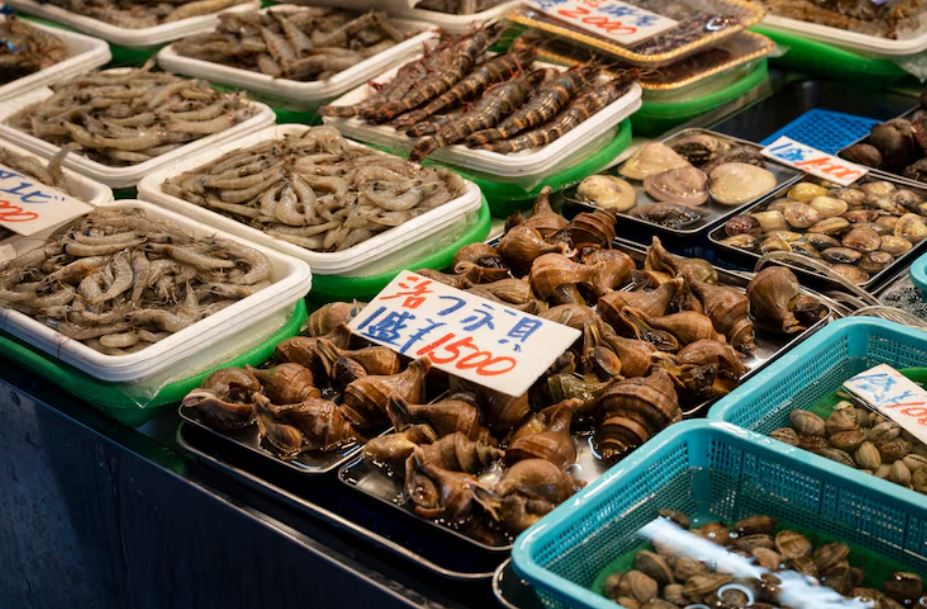
Additionally, the figures clarify why the undercutting seems so dangerous. According to strain, nearly 94% of the seafood consumed in the United States is imported. Ninety-four percent. In light of this, Louisiana’s domestic shrimping industry appears less like a charming regional trade and more like an endangered one, squeezed by cheaper imports that occasionally have dubious origins, such as seafood linked to known labor violations abroad or testing positive for veterinary chemicals prohibited in American aquaculture. It’s another matter entirely whether customers at the seafood counter truly understand any of this.
Other states appear to be keeping a close eye on what happens next. From the Carolinas to the Gulf Coast, coastal legislatures have their own interpretations of this issue, which include fishing communities losing ground to imports, consumers not being able to distinguish between the two, and enforcement agencies lacking the necessary authority to take action. Louisiana’s strategy, which combines labeling regulations with investigative authority and monetary fines severe enough to truly discourage fraud, provides something approaching a viable model. It’s possible that some of it will be widely adopted by other states. Additionally, once the strategy encounters sectors with greater lobbying power than Louisiana’s shrimpers ever had, it might be diluted.
Speaking with those involved in this battle, it seems that Louisiana views itself as a testing ground. The commingling law becomes a model that other legislatures can refer to without having to carry out the political heavy lifting themselves if it overcomes legal challenges and genuinely modifies behavior at the retail level. If it fails, either due to inadequate enforcement or companies coming up with new ways around it, it becomes a warning story instead.
In any case, it will likely take some time for the Bayou Dulac docks to notice the difference. It takes time for laws to have an impact on the water. However, a staff member is probably currently looking up the text of House Bill 857 somewhere in a state capitol building far from Louisiana, wondering if it might work back home as well.
