
Close Menu
FishonlineFishonline
  • Homepage
  • Contact
  • Privacy Policy
  • Disclaimer
  • About
  • TOS
  • Seafood
  • News
  • Trending
  • Travel
What's Hot

This One-Skillet Creamy Tuscan Shrimp Recipe Has Become the Most Requested Weeknight Dinner in American Households

June 11, 2026

The Hidden Cost of America’s Imported Seafood Addiction — and the Regulatory Gap That Makes It Possible

June 11, 2026

How a Three-Ingredient Lemon Butter Sauce Transformed the Way America’s Home Cooks Are Finishing Fish Dishes

June 11, 2026
FishonlineFishonline
Subscribe
  • Homepage
  • Contact
  • Privacy Policy
  • Disclaimer
  • About
  • TOS
  • Seafood
  • News
  • Trending
  • Travel
FishonlineFishonline
Home » The Hidden Cost of America’s Imported Seafood Addiction — and the Regulatory Gap That Makes It Possible
Food

The Hidden Cost of America’s Imported Seafood Addiction — and the Regulatory Gap That Makes It Possible

Mildred BellBy Mildred BellJune 11, 2026No Comments4 Mins Read
Facebook Twitter LinkedIn Telegram Pinterest Tumblr Reddit WhatsApp Email
The Hidden Cost of America's Imported Seafood Addiction — and the Regulatory Gap That Makes It Possible
Share
Facebook Twitter LinkedIn Pinterest Email

The average American consumes about twenty pounds of seafood annually. That may seem insignificant, but depending on who you ask and how they calculate it, between 64 and 94 percent of it comes from abroad. Vietnamese and Indian shrimp. Chinese tilapia. Thai canned tuna. Chilean and Canadian salmon. The supply chain is massive, dispersed, and remarkably under-monitored, based on recent analyses. Most customers seem to believe that someone is monitoring everything. The unsettling reality is that very few are.

The U.S. IUU Fishing and Labor Rights Coalition published a policy brief in May 2026 that presented numbers that are hard to ignore. The US imported $25 billion worth of seafood in 2024. Of that, more than $15 billion, or more than 60% by value, entered the nation without being subject to NOAA’s Seafood Import Monitoring Program’s (SIMP) reporting requirements. With the stated goal of growing, the program was created in 2016 to cover the first thirteen species groups. Not a single new species has been added in the past ten years. The delay may be due to bureaucratic inertia, but the result remains the same: billions of dollars’ worth of seafood arriving at American ports without traceability requirements or catch documentation.
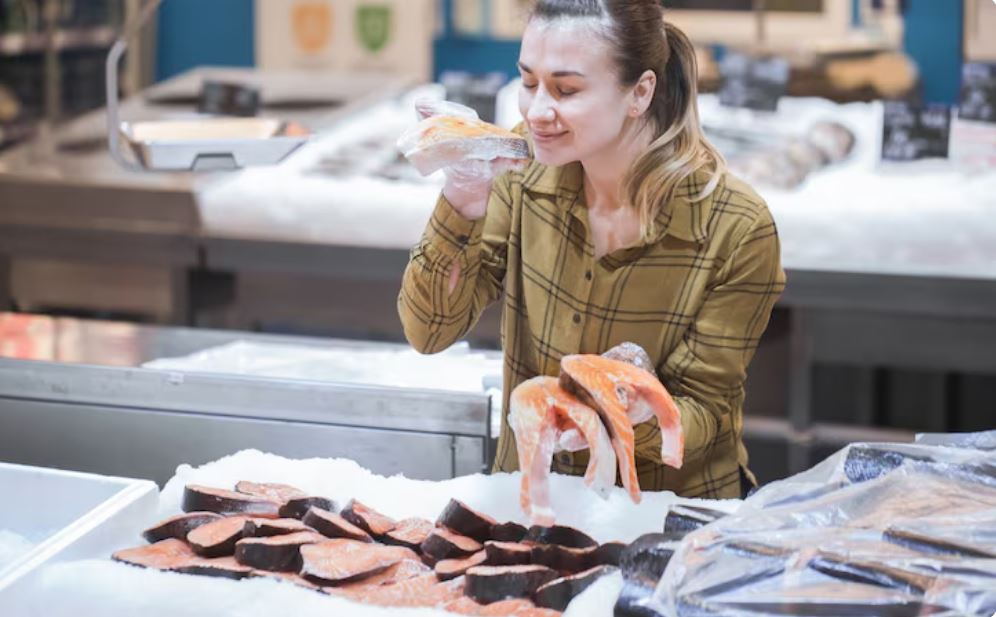
The Hidden Cost of America's Imported Seafood Addiction — and the Regulatory Gap That Makes It Possible
The Hidden Cost of America’s Imported Seafood Addiction — and the Regulatory Gap That Makes It Possible

The gaps are not merely hypothetical. They have established a “back door” for illicit goods, according to one governance expert. Imports of species that are visually similar to covered species but are not covered by SIMP have increased dramatically; for example, imports of northern red snapper substitutes have increased by nearly four times, while imports of Atlantic blue crab lookalikes have increased by more than eight times. Seafood can be mislabeled as a non-covered species by dishonest actors, who can also completely avoid oversight. The proprietors of a historic Biloxi restaurant in Mississippi were found guilty of selling more than 29 tons of imported fish that were mislabeled as local Gulf catch between 2013 and 2019. A significant Gulf Coast wholesaler was convicted of sixteen years of similar fraud. These are not one-off occurrences. According to studies, between 16 and 75 percent of seafood in the United States is mislabeled; this range is so broad that it practically acknowledges that no one has a firm grasp on the issue.

In the meantime, the FDA, which is in charge of ensuring the safety of imported seafood, has repeatedly fallen short of its own inspection goals. Every year, the organization seeks to inspect 19,200 foreign seafood facilities. It averaged 917 annually between 2018 and 2023. That represents about 5% of the objective. Part of the shortfall can be explained by logistical challenges, a lack of workers, and what a Government Accountability Office report kindly referred to as “unrealistic targets”. However, as a result, enormous amounts of farmed fish from nations with weak safety regulations find their way into American supermarkets with little examination. A portion of it was raised under circumstances that would be prohibited in the country. Some of it contains drug residues or prohibited antibiotics that are prohibited by US regulations.

New tariffs that could further complicate matters are layered on top of all of this. Prices are rising overall due to tariffs of 145 percent on Chinese seafood, 25 percent on Canadian imports, and 10 percent or more on shipments from Vietnam and India. The United States imported 769 million pounds of seafood from China in 2024 alone, which is more than two pounds per person. Of those pounds, 266 million came from tilapia, the fourth most popular fish in America. The USDA’s own recommendations advise Americans to eat more seafood rather than less, and it’s still unclear whether domestic producers can meet even a small portion of that demand.

The irony is piercing. Rising costs will disproportionately affect low-income consumers, who already consume less seafood and lower-quality omega-3 sources than wealthier Americans. Patients with cardiovascular disease who have been advised by their physicians to consume more fish will incur higher expenses if they do so. One to two servings of seafood per week lowers the risk of coronary death by 36%, according to a well-known JAMA study. That figure is irrelevant to tariffs. There is a perception that policymakers are completely ignoring the public health aspect of seafood and treating it like any other trade commodity. There has always been a regulatory gap. However, the combination of aggressive tariffs, widespread mislabeling, stalled traceability programs, and unsuccessful inspections has made it more difficult to turn a blind eye. Accountability vanishes somewhere between the dockside and the dinner plate, leaving Americans to rely on a system that is, by all accounts, ineffective.

America's Imported Seafood Addiction
Share. Facebook Twitter Pinterest LinkedIn Tumblr Telegram Email
Previous ArticleHow a Three-Ingredient Lemon Butter Sauce Transformed the Way America’s Home Cooks Are Finishing Fish Dishes
Next Article This One-Skillet Creamy Tuscan Shrimp Recipe Has Become the Most Requested Weeknight Dinner in American Households
Mildred Bell

    Mildred Bell is a full-time digital professional, seasoned traveler, and ardent outdoor enthusiast who infuses her writing with a sincere love of the natural world. In her role as Senior Editor at fishonline.co.uk, the online home of Seafood Audit International, Mildred is in charge of editorial content covering news about the seafood industry, updates on food safety, politics, finance, and commentary from prominent figures in the fishing and seafood industries. Beyond the desk, Mildred has a deeper connection to the material she edits. She is a passionate angler who has spent years fishing open waters, rivers, and coastlines throughout the UK and beyond. Her genuine knowledge of the fishing industry informs all of her editorial choices. Mildred's passion for travel stems from the same restless curiosity. She has traveled to many different continents with a rod, a notebook, and an eye for the stories that others overlook.

    Related Posts

    This One-Skillet Creamy Tuscan Shrimp Recipe Has Become the Most Requested Weeknight Dinner in American Households

    June 11, 2026

    How a Three-Ingredient Lemon Butter Sauce Transformed the Way America’s Home Cooks Are Finishing Fish Dishes

    June 11, 2026

    The EU’s New Fisheries Control Regulation Took Effect in January — and European Stakeholders Are Already Demanding Changes

    June 11, 2026
    Add A Comment
    Leave A Reply Cancel Reply

    You must be logged in to post a comment.

    This One-Skillet Creamy Tuscan Shrimp Recipe Has Become the Most Requested Weeknight Dinner in American Households

    Seafood June 11, 2026

    Over the past few years, something changed in American weeknight cooking, and it had nothing…

    The Hidden Cost of America’s Imported Seafood Addiction — and the Regulatory Gap That Makes It Possible

    June 11, 2026

    How a Three-Ingredient Lemon Butter Sauce Transformed the Way America’s Home Cooks Are Finishing Fish Dishes

    June 11, 2026

    The EU’s New Fisheries Control Regulation Took Effect in January — and European Stakeholders Are Already Demanding Changes

    June 11, 2026

    The U.S. Seafood Industry’s Quiet Lobbying Victory Hidden Inside the Farm Bill Nobody Read Closely

    June 10, 2026

    The King Crab Legs Recipe That Looks Impossibly Impressive but Takes Fifteen Minutes and One Pot to Make

    June 10, 2026

    This One-Pan Salmon Recipe Takes 20 Minutes and Tastes Like Something From a Michelin-Starred Kitchen

    June 10, 2026

    Fishonline.co.uk is the official online home of Seafood Audit International, a UK-based food safety and quality management consultancy with more than 25 years of hands-on experience in the global seafood and fishing industries. Based in Wellington, Somerset, we work with fish processors, food businesses, government inspection services, and international organisations to deliver practical, measurable, and cost-effective food safety solutions.We are not a generic food safety company. Seafood and fish products are our entire focus — and that specialisation is what makes us different.Who We AreSeafood Audit International was founded on a straightforward belief: that food safety training and quality management should be practical, accessible, and genuinely useful — not a box-ticking exercise.For over two decades we have worked with clients ranging from high street fish retailers and small-scale processors to large-scale international fishing operations, government bodies, and seafood exporters in the developing world. Our experience stretches from dhows on Lake Victoria to the trawlers of the UK coastline — giving us a depth of real-world knowledge that classroom-only consultancies simply cannot match.Our lead consultant is a fully qualified auditor with extensive experience across British Retail Consortium (BRC) and ISO 9000 quality management standards, HACCP implementation, food hygiene, and the development of national food safety legislation for governments internationally.What We DoSeafood Audit International provides a comprehensive range of training, auditing, and consultancy services tailored specifically to the seafood and fishing industries:Training Courses

    Top Insights

    This One-Skillet Creamy Tuscan Shrimp Recipe Has Become the Most Requested Weeknight Dinner in American Households

    June 11, 2026

    The Hidden Cost of America’s Imported Seafood Addiction — and the Regulatory Gap That Makes It Possible

    June 11, 2026

    How a Three-Ingredient Lemon Butter Sauce Transformed the Way America’s Home Cooks Are Finishing Fish Dishes

    June 11, 2026

    The EU’s New Fisheries Control Regulation Took Effect in January — and European Stakeholders Are Already Demanding Changes

    June 11, 2026

    The U.S. Seafood Industry’s Quiet Lobbying Victory Hidden Inside the Farm Bill Nobody Read Closely

    June 10, 2026
    Disclaimer

    Important Editorial Notice: All content on fishonline.co.uk, including that pertaining to business finance, political developments, financial markets, and regulatory changes, is provided solely for informational and discussion purposes. It is merely the opinion of a third party and does not represent the expert advice of fishonline.co.uk or Seafood Audit International.
    We strongly advise against taking any action based on any political, legal, or financial information found on this website without first consulting an impartial expert. Seafood Audit International is not governed by the Financial Conduct Authority (FCA) and is not permitted to offer financial advice. Always seek advice from an independent financial advisor authorized by the FCA before making any financial decisions. Seek legal advice from an experienced attorney.

    © 2026 ThemeSphere. Designed by ThemeSphere.
    • Homepage
    • Contact
    • Privacy Policy
    • Disclaimer
    • About
    • TOS
    • Seafood
    • News
    • Trending
    • Travel

    Type above and press Enter to search. Press Esc to cancel.