

Eating fish in a picturesque setting can lead to a certain kind of disappointment. The plate that arrives tastes like it was frozen for a year somewhere outside of town, the menu features photos, and the view is flawless. It occurs frequently enough that it begins to feel more like a pattern than bad luck. It seems that the food has less to do with the sea directly outside the window the more picturesque the harbor.
Because Sunny Beach, Bulgaria, makes such an effort to avoid being one, it serves as a helpful example. Visitors describe passing restaurant after restaurant where the “fresh” catch is actually something that has been thawed and reheated, served by employees who appear slightly embarrassed but unwilling to make any changes. Not because the owners don’t give a damn. It’s not necessary for them to. A visitor who stays for one or two nights won’t return to voice complaints. When a customer leaves after dinner, there is no reputation to safeguard.
That’s the subtle economic reasoning that underlies nearly every expensive, unimpressive seafood dish in a well-known tourist destination. Restaurants that cater to one-time customers are optimized for the photo rather than the follow-up. Six weeks later, no one is checking in to see if the grouper tasted good. The business model incorporates the incentive to take shortcuts rather than adding it as an afterthought.
Imagine the opposite now. Week after week, year after year, the same forty or fifty families eat dinner at the same three or four locations in a town so small it hardly appears on a map. In a town like that, there’s nowhere to hide a bad piece of fish. The fisherman is well known to all. Everyone is aware of which boat arrived that morning and which did not. When you serve something, it’s not a negative Yelp review; the following morning, your neighbor is at the counter and wants to know what happened.
In Moss Landing, California, where there are only a few hundred people, Phil’s Fish Market almost unintentionally makes the point. It’s the type of establishment that, without ever attempting to look like one, made it onto a BBC list of the top beach restaurants worldwide. The map by the door has been replaced five times because it kept filling up with pushpins from guests indicating where they are from. That kind of reach was not anticipated. Meal after meal, the food held up to an audience that wasn’t acting for the cameras, which is why it happened.
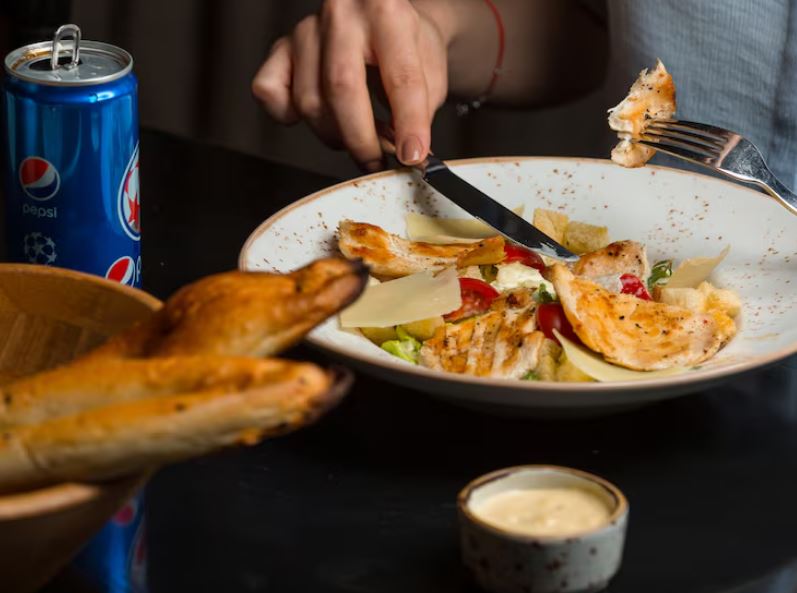
Places like that have an almost stubborn quality. It’s difficult to ignore how little theater is involved when observing how a small fishing town handles its own seafood. No laminated menu with glossy pictures that overstate the size of the portions. No employees were taught to recite the word “fresh” like a spell. Just someone who has been gutting and grilling whatever came off the boat that morning since they were a teenager because that’s what’s available and what people anticipate.
This may be one of the reasons why so many travel writers—those who actually reside somewhere rather than just visit—become fixated on the less glamorous aspects of a destination. Erla Zwingle learned from her decades spent in Venice that the city that tourists fall in love with in a day and a half isn’t actually the city at all; it’s just a surface. She has written that the true Venice acts less like a monument and more like a small town. Food seems to be the same. It’s rare to find seafood that can be trusted where the view is most photographed. It’s located in a kitchen where practically no one is using a camera, and it’s accountable to those who will return tomorrow, regardless of how well the fish turned out.
