

When you’re eating shrimp and grits for the fourth time in a row in Charleston, South Carolina, the ridiculousness of the entire endeavor begins to seem less like a joke and more like common sense. It seems dishonest to refer to the dish as the same twice because it varies so much between kitchens. One area has smoked gouda grits with blackened shrimp. At the next, a creamy bowl is crowned with fried green tomatoes. Eating shrimp and grits six times in a 48-hour period begins to resemble something more akin to research than gluttony because the variations are so great and unique to each chef.
Begin on a Friday night at 82 Queen, where the shrimp are tossed in a barbecue sauce that falls somewhere between tangy and rich, the grits arrive incredibly buttery, and the bacon and cheese are sprinkled on top like an afterthought that ends up being the whole point. The dining room is located in one of those historic Charleston courtyards with a subtle jasmine and kitchen smoke odor. Afterward, schedule a nap. Everyone is correct when they say that about the 82 Queen’s portion.
Marina Variety Store, the type of waterfront diner that appears to have not altered its menu or its vinyl booths since the 1980s, is the owner of Saturday morning. While waiting for plates that are heavier than anticipated, locals swarm the restaurant for breakfast shrimp and grits with fried green tomatoes, gazing out at the yacht basin. Eating grits at a restaurant where the shrimp most likely came from a boat that you can see from your table has a certain appeal. It eliminates any pretense the dish may have developed over time. Here, shrimp and grits are reminded of their former status as the breakfast of the impoverished, made with whatever the creek had to offer that morning.
For lunch, travel to Mount Pleasant across the Ravenel Bridge and locate the Grit Counter, where the smoked gouda grits are served with scallions, peppers, and tasso ham red-eye gravy. Someone realized that grits should have their own restaurant, which is why it exists. The plate makes a strong case for the former, but naming your business after a single grain may indicate either extreme confidence or mild insanity.
Things start to get interesting at Saturday dinner. The shrimp and grits may appear in a New Orleans-style barbecue sauce with collards one week and something completely different the next because Husk, Sean Brock’s renowned temple of Southern ingredients, rotates its menu every day. It’s a good idea to check the menu before you arrive. Something about Charleston’s culinary culture that tourists occasionally overlook is reinforced by watching the kitchen work through that open pass, plating food with an intensity that verges on theatrical. These chefs are more than just traditional cooks. They are debating it, reorganizing it, retaining what works, and discarding what doesn’t.
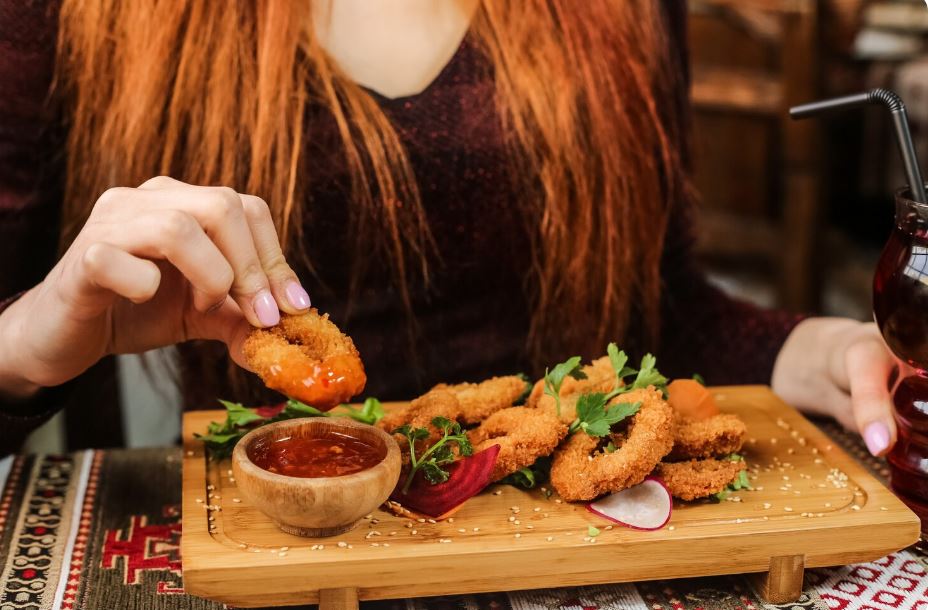
The Jimmy Red corn grits, which are made from an heirloom variety that almost went extinct, are topped with shrimp, tasso ham, local mushrooms, and toasted benne seeds at Millers All Day on King Street on Sunday morning. It’s the kind of plate that makes you stop and consider whether you’ve always subtly undervalued grit. You get the impression that you’ve been eating a subpar version of this dish everywhere else when you’re sitting in that light-filled dining room with coffee and this specific bowl.
Grandma Fred’s recipe is discussed for your last meal at Nigel’s Good Food in North Charleston. Alongside the shrimp are onions, bell peppers, bacon, and sausage. It is based on Gullah Geechee cooking traditions, which are generations older than any trendy restaurant on King Street, and it is hearty and unapologetic. It feels right to finish here. The dish did not originate in elegant dining rooms using imported ham and artisanal corn. Kitchens like the one Nigel’s honors are where it all began.
Six plates, forty-eight hours, and no regrets. The same city was depicted differently in each version. Charleston offers more than just grits and shrimp. It fights over them, discusses them, and reimagines them. Nobody is wrong, which is the lovely, messy truth.
