

Somewhere in San Francisco, there’s a bowl of cioppino that tastes just like it did when your grandparents might have ordered it. It’s steaming with tomato and white wine and loaded with Dungeness crab. It’s not marketing. That’s exactly what occurs when a restaurant determines that the recipe is complete at some point in the past. Completed. Not subject to discussion.
In 1938, Alioto’s on Fisherman’s Wharf is frequently credited with popularizing cioppino and making it a destination for travelers. The stew itself predates that; according to legend, it originated from Ligurian and Italian fishermen who worked off Meiggs Wharf in the late 1800s and combined whatever was caught that day into a single communal pot. Tradition evolved from necessity. Custom became a recipe. And that recipe became sacred at some point.
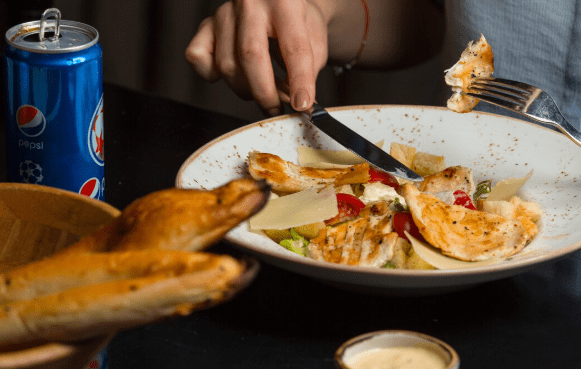
Every night when you walk into Sotto Mare on Green Street in North Beach, you’ll see servers carrying bowls the size of tiny washbasins, checkered tablecloths, and a dining room that’s as noisy as only truly joyful places get. The restaurant’s signature dish, “Best Damn Crab Cioppino with Seafood Enough for Two,” is served with a whole Dungeness crab, clams, shrimp, mussels, scallops, and cod, all of which are immersed in a tomato and herb broth that tastes like it was prepared all morning. Most likely, someone did.
If you stay long enough, you’ll notice how little the place seems to want from you other than your company and a willingness to create a mess. Appreciating the past is not required. It’s in the broth, in the way the sourdough bread disappears before the stew reaches halfway through. It’s possible that the fishermen who created this dish intended for it to be simple, filling, and communal. Something that didn’t need an explanation.
San Francisco’s relationship with its own culinary history has always been complex. The city is always changing, absorbing new ideas about what a restaurant should be, new influences, and new financial resources. The Old Clam House, which has been open since 1861, and Scoma’s at the Wharf, which serves “Lazy Man’s Cioppino,” pre-cracked shells for anyone who would rather eat than work, are two examples of places that just refuse to change. They seem to be exactly what the city needs because everything else moves so quickly.
It is worthwhile to comprehend Cioppino as more than just nostalgia. The dish is part of a family of stews made by coastal fishermen, including bouillabaisse from Provence, brodetto from Abruzzo, and cacciucco from Tuscany. They are all based on the same idea: use what you have, put it in a pot with tomatoes and wine, and serve it with bread. It’s a type of cooking that existed long before eateries. It’s either a small miracle or proof that some recipes work well the first time that it made it into the contemporary San Francisco dining scene, essentially unaltered.
San Franciscans seem to enjoy debating whether Sotto Mare, Alioto’s, or the Anchor Oyster Bar down in the Castro is the definitive version, but they never seem to come to a consensus. That’s probably okay. The more intriguing question, the one worth pondering over a second glass of wine, is why a bowl of stew prepared using a recipe from the Depression era continues to attract visitors from all over the nation in a city that is constantly changing. It’s difficult to ignore the possibility that the answer is simply that certain things shouldn’t change.
