
Close Menu
FishonlineFishonline
  • Homepage
  • Contact
  • Privacy Policy
  • Disclaimer
  • About
  • TOS
  • Seafood
  • News
  • Trending
  • Travel
What's Hot

The Grandma-Approved Tuna Casserole Recipe That Deserves a Serious Second Look From Every Home Cook Under 40

June 12, 2026

The $3.2 Million Fine That Could Change How Every Seafood Processor in America Thinks About Water Waste

June 12, 2026

How to Make the Perfect Cioppino at Home — the San Francisco Fisherman’s Stew That Has Warmed Souls Since 1938

June 12, 2026
FishonlineFishonline
Subscribe
  • Homepage
  • Contact
  • Privacy Policy
  • Disclaimer
  • About
  • TOS
  • Seafood
  • News
  • Trending
  • Travel
FishonlineFishonline
Home » The $3.2 Million Fine That Could Change How Every Seafood Processor in America Thinks About Water Waste
Seafood

The $3.2 Million Fine That Could Change How Every Seafood Processor in America Thinks About Water Waste

Mildred BellBy Mildred BellJune 12, 2026No Comments4 Mins Read
Facebook Twitter LinkedIn Telegram Pinterest Tumblr Reddit WhatsApp Email
The $3.2 Million Fine That Could Change How Every Seafood Processor in America Thinks About Water Waste
Share
Facebook Twitter LinkedIn Pinterest Email

The fishing docks in Charleston, Oregon, smelled like salt air, diesel exhaust, and something rawer underneath it all for years. fish excrement. byproduct of processing. The kind of odor that results from a business operating near the water, doing its unglamorous but necessary work. However, what regulators claim transcends an offensive smell. Last month, Oregon’s Department of Environmental Quality revealed that Pacific Seafood, one of the biggest seafood companies in the nation, had been releasing fish parts, oil, grease, and chlorine into state waters through three coastal processing facilities. In some cases, this had been going on for almost ten years without putting in place the pollution controls it had committed to.

The $3.2 million fine was the second-highest environmental civil penalty in Oregon state history. It was only surpassed by a landfill case from a month ago. It’s a big number for a family-run business with over 3,000 workers and operations spanning from Alaska to the Gulf Coast; it might not be enough to bring down the company, but it’s big enough to hurt and loud enough to be heard far beyond Oregon’s coast.
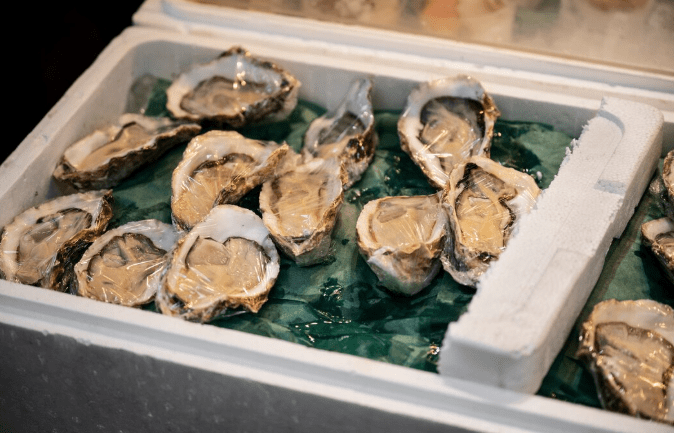
The $3.2 Million Fine That Could Change How Every Seafood Processor in America Thinks About Water Waste

The timeline is what makes the situation at the Charleston facility so striking. Since 2001, Pacific Seafood claims it has been working to obtain an appropriate wastewater permit for that location. According to the company, DEQ only started drafting the permit last month. It’s possible that both of these things are true at the same time: operational inaction on the one hand, bureaucratic delay on the other. In that case, the story would be less about corporate negligence and more about a gradual institutional failure over the course of two decades. However, when a single facility is hit with a $2.9 million fine, that complexity is lost.

Erin Saylor, DEQ’s compliance manager, made the announcement without seeming to be interested in subtleties. “We have been giving them that time but it’s not working anymore,” she replied. Reading between the lines, it appears that regulators believed they had been patient far longer than was appropriate after witnessing the 2017 pollution control agreement go mostly unfulfilled while rivals who made investments in compliance systems covered Pacific Seafood’s expenses.

Pacific Seafood vigorously retaliated, accusing DEQ of being “out of control” and claiming that the agency’s demands for wastewater treatment go well beyond what is necessary for drinking water. That talking point struck with clear rhetorical force: why hold a fish processor to a higher standard if Oregon tap water is safe for school drinking fountains? When environmental chemists begin to explain cumulative aquatic toxicity, the kind of argument that sounds convincing in a press release becomes more nuanced. However, the company is not wholly incorrect that the regulatory framework in this case raises genuine technical issues for which there are no definitive answers.

Future events are important, and not just for Pacific Seafood. Numerous West Coast seafood processors are keeping an eye on this case. Some are discreetly reviewing their own deadlines for compliance. Even this relatively small $3.2 million fine has the power to hasten engineering decisions that had been sitting in someone’s inbox. It’s difficult to ignore the fact that, regardless of how Pacific Seafood’s case is resolved through appeal, it has already accomplished something that no permit negotiation was able to: it made wastewater treatment urgent.

It’s genuinely unclear if Pacific Seafood will remain in Oregon at all. The possibility of leaving the state was brought up by the company, which could be a negotiating stance or a true reflection of the economics of coastal processing under stricter environmental regulations. In any case, the industry is observing. The fine was specific enough to make it seem foolish to pretend it doesn’t apply elsewhere, and it was big enough to make ignoring it seem dangerous.

America Processor
Share. Facebook Twitter Pinterest LinkedIn Tumblr Telegram Email
Previous ArticleHow to Make the Perfect Cioppino at Home — the San Francisco Fisherman’s Stew That Has Warmed Souls Since 1938
Next Article The Grandma-Approved Tuna Casserole Recipe That Deserves a Serious Second Look From Every Home Cook Under 40
Mildred Bell

    Mildred Bell is a full-time digital professional, seasoned traveler, and ardent outdoor enthusiast who infuses her writing with a sincere love of the natural world. In her role as Senior Editor at fishonline.co.uk, the online home of Seafood Audit International, Mildred is in charge of editorial content covering news about the seafood industry, updates on food safety, politics, finance, and commentary from prominent figures in the fishing and seafood industries. Beyond the desk, Mildred has a deeper connection to the material she edits. She is a passionate angler who has spent years fishing open waters, rivers, and coastlines throughout the UK and beyond. Her genuine knowledge of the fishing industry informs all of her editorial choices. Mildred's passion for travel stems from the same restless curiosity. She has traveled to many different continents with a rod, a notebook, and an eye for the stories that others overlook.

    Related Posts

    The Grandma-Approved Tuna Casserole Recipe That Deserves a Serious Second Look From Every Home Cook Under 40

    June 12, 2026

    How to Spend 48 Hours in Charleston, South Carolina Eating Shrimp and Grits at Every Meal Without Any Regrets

    June 11, 2026

    This One-Skillet Creamy Tuscan Shrimp Recipe Has Become the Most Requested Weeknight Dinner in American Households

    June 11, 2026
    Add A Comment
    Leave A Reply Cancel Reply

    You must be logged in to post a comment.

    The Grandma-Approved Tuna Casserole Recipe That Deserves a Serious Second Look From Every Home Cook Under 40

    Seafood June 12, 2026

    The sound of a casserole dish being placed on a folded dish towel, the scent…

    The $3.2 Million Fine That Could Change How Every Seafood Processor in America Thinks About Water Waste

    June 12, 2026

    How to Make the Perfect Cioppino at Home — the San Francisco Fisherman’s Stew That Has Warmed Souls Since 1938

    June 12, 2026

    The San Francisco Restaurant That Has Served the Same Cioppino Recipe Since 1938 — and Will Never Change It

    June 12, 2026

    How to Spend 48 Hours in Charleston, South Carolina Eating Shrimp and Grits at Every Meal Without Any Regrets

    June 11, 2026

    This One-Skillet Creamy Tuscan Shrimp Recipe Has Become the Most Requested Weeknight Dinner in American Households

    June 11, 2026

    The Hidden Cost of America’s Imported Seafood Addiction — and the Regulatory Gap That Makes It Possible

    June 11, 2026

    Fishonline.co.uk is the official online home of Seafood Audit International, a UK-based food safety and quality management consultancy with more than 25 years of hands-on experience in the global seafood and fishing industries. Based in Wellington, Somerset, we work with fish processors, food businesses, government inspection services, and international organisations to deliver practical, measurable, and cost-effective food safety solutions.We are not a generic food safety company. Seafood and fish products are our entire focus — and that specialisation is what makes us different.Who We AreSeafood Audit International was founded on a straightforward belief: that food safety training and quality management should be practical, accessible, and genuinely useful — not a box-ticking exercise.For over two decades we have worked with clients ranging from high street fish retailers and small-scale processors to large-scale international fishing operations, government bodies, and seafood exporters in the developing world. Our experience stretches from dhows on Lake Victoria to the trawlers of the UK coastline — giving us a depth of real-world knowledge that classroom-only consultancies simply cannot match.Our lead consultant is a fully qualified auditor with extensive experience across British Retail Consortium (BRC) and ISO 9000 quality management standards, HACCP implementation, food hygiene, and the development of national food safety legislation for governments internationally.What We DoSeafood Audit International provides a comprehensive range of training, auditing, and consultancy services tailored specifically to the seafood and fishing industries:Training Courses

    Top Insights

    The Grandma-Approved Tuna Casserole Recipe That Deserves a Serious Second Look From Every Home Cook Under 40

    June 12, 2026

    The $3.2 Million Fine That Could Change How Every Seafood Processor in America Thinks About Water Waste

    June 12, 2026

    How to Make the Perfect Cioppino at Home — the San Francisco Fisherman’s Stew That Has Warmed Souls Since 1938

    June 12, 2026

    The San Francisco Restaurant That Has Served the Same Cioppino Recipe Since 1938 — and Will Never Change It

    June 12, 2026

    How to Spend 48 Hours in Charleston, South Carolina Eating Shrimp and Grits at Every Meal Without Any Regrets

    June 11, 2026
    Disclaimer

    Important Editorial Notice: All content on fishonline.co.uk, including that pertaining to business finance, political developments, financial markets, and regulatory changes, is provided solely for informational and discussion purposes. It is merely the opinion of a third party and does not represent the expert advice of fishonline.co.uk or Seafood Audit International.
    We strongly advise against taking any action based on any political, legal, or financial information found on this website without first consulting an impartial expert. Seafood Audit International is not governed by the Financial Conduct Authority (FCA) and is not permitted to offer financial advice. Always seek advice from an independent financial advisor authorized by the FCA before making any financial decisions. Seek legal advice from an experienced attorney.

    © 2026 ThemeSphere. Designed by ThemeSphere.
    • Homepage
    • Contact
    • Privacy Policy
    • Disclaimer
    • About
    • TOS
    • Seafood
    • News
    • Trending
    • Travel

    Type above and press Enter to search. Press Esc to cancel.