

Something heavier than normal is coming off the trucks this week on a portion of Virginia’s Eastern Shore where pony herds still roam the marshes and the tide controls the schedule. clams in gallons. oyster bushels. To be honest, there’s enough seafood to make one wonder how one tiny island plans to consume everything by Saturday afternoon.
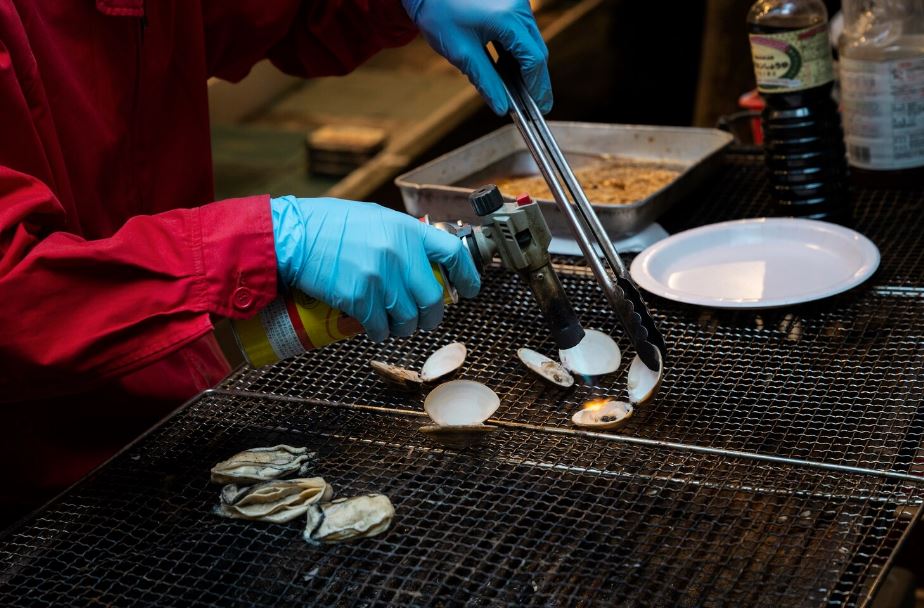
The Chincoteague Seafood Festival is returning for its 56th year, and the math alone is overwhelming if the Chamber of Commerce’s figures are to be believed. About fifty thousand steamer clams are waiting their turn in mesh bags. 75 gallons of chopped clams for fritters. An additional 75 gallons of shucked oysters were on their way to the fryer. 750 pounds of fried fish. 750 more steamed shrimp. It reads more like a freight manifest—which, in a way, it is—than a menu.
A large portion of that seafood comes from Tom’s Cove Aquafarm, a name that is used so frequently on the island that it is practically synonymous with the local clamming industry. Even though tourism revenue from pony tours and gift shops accounts for an increasing portion of the economy, it’s difficult to ignore how much of Chincoteague’s identity is still linked to what comes out of the water when you look at the supply numbers.
On May 2, the festival takes place at Tom’s Cove Park. The gates open at 10 a.m., and an hour later, appetizers like sweet potato fries, crab cheddar jalapeño poppers, and clam chowder arrive. The real show begins at noon, with little neck clams on the half shell, raw oysters, clam strips, single-fried oysters, and the entire spread that seems to have defined this event long before the majority of today’s volunteers were even born.
This small island has developed a tradition that draws nearly 3,000 people each spring, as evidenced by the $65 tickets that tend to sell out early. The organizers say it’s rain or shine. There is only one backup plan that uses ponchos; there isn’t one that involves canceling.
An event like this doesn’t come together in a day, according to Joanne Moore, who runs the Chamber of Commerce and has probably witnessed every variation of this event that can go well or poorly. It’s based on months of preparation, innumerable details, and a degree of dedication that’s difficult to fake, she said. It sounds like boilerplate until you consider how much work it takes, like scheduling generators, counting bushels, and making sure no one runs out of clam chowder by 1 p.m.
Moore has one seasonal hire and two additional full-time employees. That’s the total cost of running an event that serves thousands of people. About 300 volunteers, some of whom Moore claims have been coming for decades, are responsible for everything else. They carry coolers or slice onions without much fanfare. That kind of loyalty, which is rare outside of small towns where everyone already knows each other’s names, has an almost antiquated quality.
Beyond the seafood itself, it’s important to recognize what this festival does for Chincoteague. May is that uncomfortable shoulder season, following the quiet of winter but preceding the full summer throng of tourists chasing the untamed ponies. During a period that might otherwise go unnoticed, the festival packs hotels, eateries, and gift shops. Local sponsors, such as Tyson Foods, Coastal Shore Vacations, and a few real estate firms, are obviously aware of the math and contribute their names and funds to keep it going.
A raffle for prizes like boat cruises and lodging certificates—the kind that only make sense on an island this size—will take place at 4 p.m., and live music from a band called Island Boy will play throughout the afternoon. There will be commemorative beer mugs available because, it seems, no coastal celebration is complete without a memento that nobody really needs but that everyone purchases.
The unspoken question is always whether the supply can keep up with 3,000 people’s appetite. Usually, in some way, it does. These events have a rhythm that is sometimes overlooked by outsiders: decades of practice compressed into one long Saturday, with bushels of oysters serving as a stand-in for whatever passes for a town’s collective memory.
