

On a Tuesday morning during the off-season, Padstow appears nearly identical. The street is empty save for a few dog walkers walking toward the estuary, the fishing boats in the inner harbor are still and low, and the gift stores selling fudge and nautical-themed tea towels have not yet opened. The Seafood Restaurant, which has a reputation that predates it by many counties and is recognizable from decades of television, is only around the corner. There’s a feeling that this establishment has been carrying a great deal of expectation for a very long time, and that it has generally handled that expectation fairly well, as you walk past its windows before service begins.
Cornwall by Rick Stein is a real deal. His path, which has been constructed over the course of fifty years and includes restaurants, a cooking school, a hotel, a deli, and what the locals have lovingly dubbed “Padstein” due to the extent to which the brand has permeated the community, consistently provides a certain experience.
The Seafood Restaurant’s Fruits de Mer is the ideal order. The establishment has been working toward this goal since before the majority of its present clientele were even born, so it is not a guess. The renown and cost of padstow crab and lobster are justified by their local sourcing and careful preparation, which allows the sweetness of cold Atlantic water to shine through. It is truly outstanding in the sense that things become truly outstanding when someone has been adamant about a standard for fifty years.
Likewise, the Cookery School is excellent. The Ultimate Fish and Shellfish course simplifies techniques that most amateur cooks find daunting, such as filleting, cooking entire fish, and handling shellfish. Instead of being dramatic, the lesson is practical. You are able to accomplish things that you were previously unable to, which is a fair indicator of whether or not a cooking class is worthwhile. Not all celebrity chefs are able to pass that test with their educational offerings.
The most honest portion of the trail is perhaps Port Isaac, which Stein reaches thanks to his longtime friendship with Nathan Outlaw. Day-boat lobster from nearby fishermen, prepared and served by a product expert—that chain of provenance is evident in the cuisine in a way that becomes more difficult to accomplish as restaurants grow in size and supply chains lengthen. The best shellfish in Britain may be found at the high end of the Port Isaac experience.
That’s all true. There is another aspect of Cornish cuisine that is distinct and just as authentic, although it is not depicted in the Stein trail.
The Stein itinerary virtually ignores the contemporary food culture that has emerged in Cornwall over the last ten years, including multicultural street cuisine that symbolizes the county’s transformation, Asian-inspired seaside menus, and wood-fired beach pop-ups. This is a comment about scope rather than a critique of his food. To follow in his footsteps is to stay in a version of Cornwall that is sophisticated, well-executed, rooted in British tradition with French influences, and mostly isolated from the things that have drawn younger chefs and food tourists who don’t want white tablecloths at every meal.
The dining at the shack level is a sensible omission. Coastal cuisine is best experienced at Fresh From the Sea in Port Isaac, where you may have freshly made crab sandwiches while sitting on the harbor in the same harbor where the crab was landed an hour earlier. It tastes just like the real thing and is nearly free in contrast. You don’t get there by following the Stein path. It’s possible that this is just a gap rather than a choice, but it’s difficult to ignore the fact that every pricey option on the path has a Stein logo someplace close by, while the inexpensive, excellent ones consistently don’t.
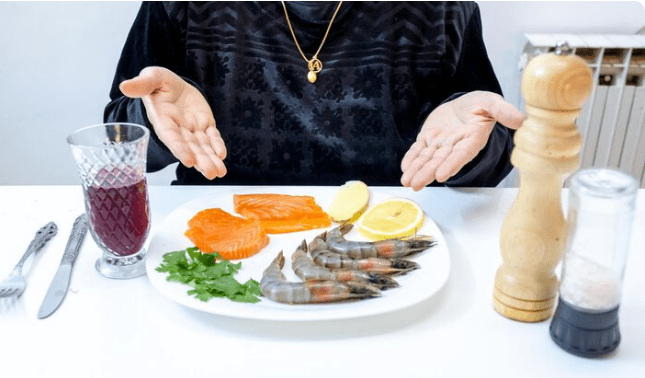
The seafood from Cornwall is truly exceptional. Before nearly anybody else, Rick Stein recognized that, and the trail he created is a testament to his decades-long dedication to that characteristic. The complete picture of what Cornwall has evolved into since then is what it fails to capture. Both are important to understand.
