

When a family of four checks into a single hotel room close to the beach, a certain kind of chaos ensues. Wet towels everywhere. The one bed that isn’t currently occupied by a toddler has someone’s sandy shoes on it. A tiny refrigerator that can only contain one sandwich. The data confirms what many parents have been whispering to themselves for years, and anyone who has done it knows how it feels.
Families visiting the coast are more interested in space, predictability, and a kitchen that isn’t a vending machine than in luxury, according to a number of studies and surveys related to Airbnb’s booking trends. According to a consumer survey, 97% of American tourists stated that amenities had a direct impact on their travel experiences. Not the swimming pool. Not the chandelier in the lobby. The facilities include a stove, laundry, and space to spread out without having to compromise on bathroom schedules.
Even though it’s a minor detail, it conveys a bigger message. A single transaction—a bed, a bathroom, and possibly a continental breakfast—is the foundation of a hotel room by the water. The foundation of a coastal rental is a completely different question: can a family stay here for a week without going insane? Distinct bedrooms. A washer for the inevitable swimsuit pile. A grill on a deck where no one downstairs will mind if the kids make noise.
Families are also aware of the money, even if they don’t express it verbally. A family of four could save an average of 27% by booking a rental rather than a hotel during the summer, according to Airbnb’s own research on family travel. It’s not a small difference. That’s the difference between eating out every meal and cooking half of them, or between a five-night trip and a seven-night one.
Additionally, once families arrive, the spending simply shifts rather than vanishes. Approximately 95% of visitors say they plan to eat and shop locally while visiting, and in a recent year, the average visitor reportedly spent more than $775 per trip at local establishments. You can practically see it happening when you stroll through a place like Cedar Key, Florida, or Sekiu, Washington, during peak season: a family buying sunscreen and bait at the general store, children dragging flip-flops across a dock, or a grandmother purchasing fudge she hadn’t intended to buy. One cooler refill at a time, it’s a tiny economy.
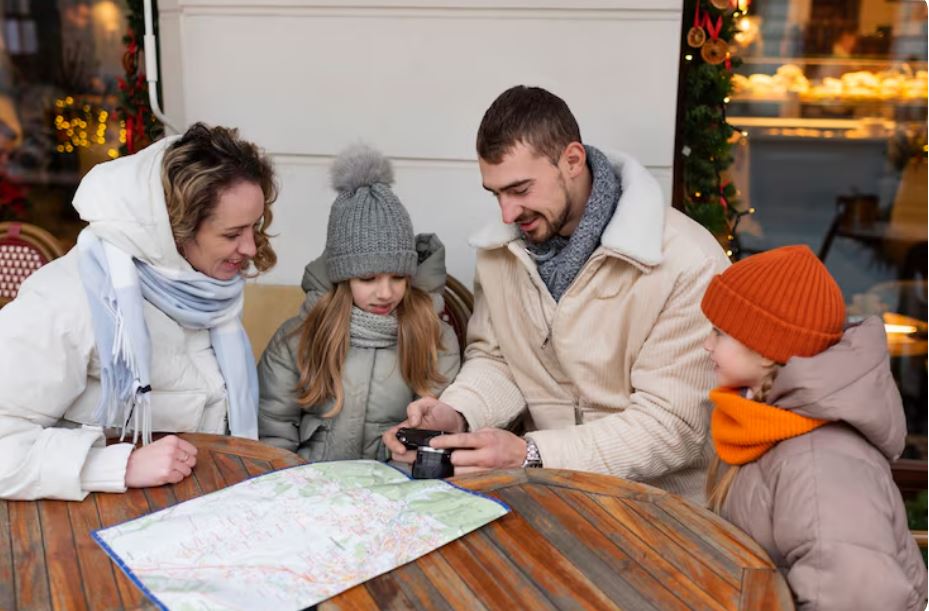
The sense of ownership that families seem to desire from a trip to the coast is more difficult to measure but equally genuine. A family can create a sort of transient domestic life in a rental with a porch overlooking the water: morning coffee outside, evening card games, and no one checking the clock for housekeeping. It’s not glitzy. Half the time, it’s not even very Instagrammable. However, it seems to be precisely what people are silently searching for when they look up “near the coast, sleeps six, kitchen.”
It remains to be seen if this change will continue when travel expenses increase once more. Families are price conscious, and the same supply shortages that affect hotels elsewhere also affect coastal markets. However, for the time being, the trend is pretty consistent: families aren’t just making reservations for lodging when they go to the water. They are reserving a room so they can spend a week together as a family, complete with sand.
