

When a scallop hits a properly heated pan, it makes a distinct sound: a sharp hiss followed by a confident sizzle. However, anyone who has cooked one poorly is also familiar with the opposite sound, which is a wet, deflating fizzle that indicates dinner is already in trouble. Scallops have an odd reputation in American kitchens because of that second sound. Food writers have begun to argue, with surprising conviction, that the humble seared scallop deserves a place above lobster rolls and crab cakes in the pantheon of American seafood because they are costly, intimidating, and often ruined.
On its face, it’s an odd claim. Lobster gets the butter-drenched theater, the Maine shacks, and the cultural mythology. Crab feels nostalgic for the Chesapeake. In contrast, scallops have been a depressing buffet staple or a $40 restaurant appetizer that looks like three pale hockey pucks for decades. However, cooks who truly understand the ingredient are beginning to agree that a well-made scallop, seared quickly and hard, may be the most technically satisfying and consistently underappreciated dish in the entire tradition.
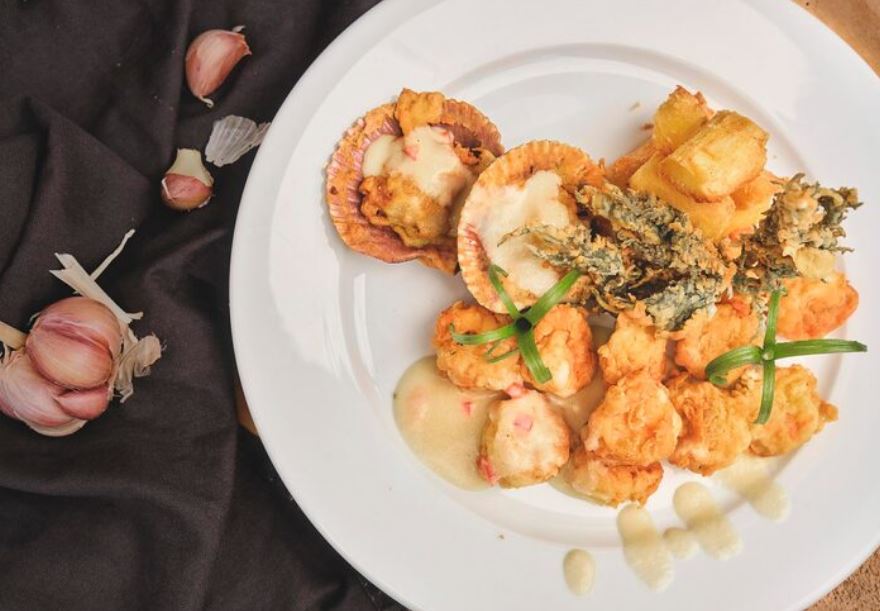
Supply chains have always been a part of the issue that no one discusses over dinner. The majority of scallops found in American supermarkets are referred to by the industry as “wet” scallops because they are soaked in a chemical solution that gives them water that they did not earn. No matter how hot the pan gets, they will never properly brown and appear glossy and white, almost too perfect. The pan becomes a steam bath, the liquid overflows, and the end product is flavorless and rubbery. It’s the seafood equivalent of wondering why a frozen burger doesn’t taste like a steakhouse.
Almost all of the serious scallop recipes that are currently in circulation claim that the solution begins even before the stove is turned on. The only practical way to achieve that caramel-colored crust that patrons pay restaurant prices for is to use dry-packed scallops, which are more expensive and untreated. They sit in their container without a pool of milky liquid beneath them, and they appear somewhat translucent rather than ghostly white. Purchasing them is a small act of consumer literacy rather than a cooking decision, and it’s interesting to note how few people appear to be aware of this.
Cooking becomes almost ridiculously easy once you have the right scallops. After patting them dry and seasoning them, sear them for about 90 seconds on each side while basting them with butter in a hot, heavy skillet. A dish that is forgiving of skill but unforgiving of shortcuts has a certain satisfying quality. You’ve gone from tender to rubber if you miss the timing by even one minute. When done correctly, the outside has a deep, slightly sweet char while the center remains slightly translucent, almost custardy.
The recipe frequently appears wrapped in personal history rather than just technique, which is interesting. After a bad date at a chain restaurant, one writer remembers detesting scallops as a teenager. However, years later, a single bite in a small bowl of bisque at a fine-dining establishment in Washington changed her mind. Another chef, who was raised in rural Jamaica, credits his grandmother’s fish stew—the kind that was cooked until it almost fell apart—for inspiring his sophisticated coconut-sauce version. The dish continues to stick in people’s memories, which may be part of the reason why, once they get it right, they defend it so vehemently.
When compared to the rest of the seafood canon, scallops have a subtly democratic quality. Equipment, a bib, and patience are needed for a whole lobster dinner. A hot pan and five minutes are all you need to prepare a dozen good scallops. You can dress them up with caviar or leave them simple with just salt and lemon. It’s difficult to ignore the fact that a dish that requires so little preparation has somehow gained a reputation for being picky.
It doesn’t seem likely that scallops will ever surpass lobster in popular culture. The shacks are too famous, and the mythology is too profound. However, among those who actually cook, scallops seem to have subtly emerged as the dish worth defending, the one dinner party trick that appears pricey but isn’t, and the one seafood recipe that calls for a little perseverance rather than a fortune.
