

When a sentence is less severe than anticipated, a certain silence descends upon a federal courtroom. In late January, Dennis Dopico, the Miami seafood executive at the center of what prosecutors had previously described as one of the industry’s most aggressive antitrust pursuits in years, escaped punishment. No headline-grabbing fines, no perp walk footage, and no handcuffs. Just a quiet conclusion to a case that the Justice Department had presented in remarkably strong language just months before.
It’s important to keep in mind how this began. In September 2025, Dopico, the vice president of D&D Seafood in Winter Haven, Florida, entered a guilty plea to conspiring with competing processors to fix the dock prices paid to fishermen for spiny lobster and stone crab claws. According to court documents, the conspiracy involved about $8 million in commerce between 2023 and early 2025. This amount is not huge by Wall Street standards, but it is noteworthy in a sector with narrow profit margins and short harvest seasons. The plea deal cited text messages that read almost like a movie: “Don’t show text to anyone. At one point, Dopico wrote to a rival, “Confidential,” to which the rival responded, “I promise.” Instead of working against one another, we are now cooperating.” It’s difficult to ignore how informal that conversation sounds—like two men exchanging weather notes rather than planning a crime.
The moral framing was heavily emphasized by the prosecution. Price-fixing “cheats fishermen, squeezes restaurants, and makes families pay more at the table,” according to U.S. Attorney Jason Reding Quiñones.” Omeed Assefi of the Antitrust Division described it as an attempt to take money “out of the pockets of hardworking fishermen for years.” For a case involving a single Florida processor and a few anonymous accomplices, that is strong language. It was arguably strong enough to raise expectations of a commensurate punishment.
The math didn’t add up as the rhetoric suggested when sentencing took place. Dopico was subject to a $1 million fine and a statutory maximum sentence of ten years in prison. He left with neither, at least not in any significant way. According to reports on the case’s outcome, he “dodged prison” completely, which sums up the majority of what you need to know about how the case actually turned out. The difference between the maximum penalty on paper and the actual penalty is what matters here, regardless of the specifics of his supervised release.
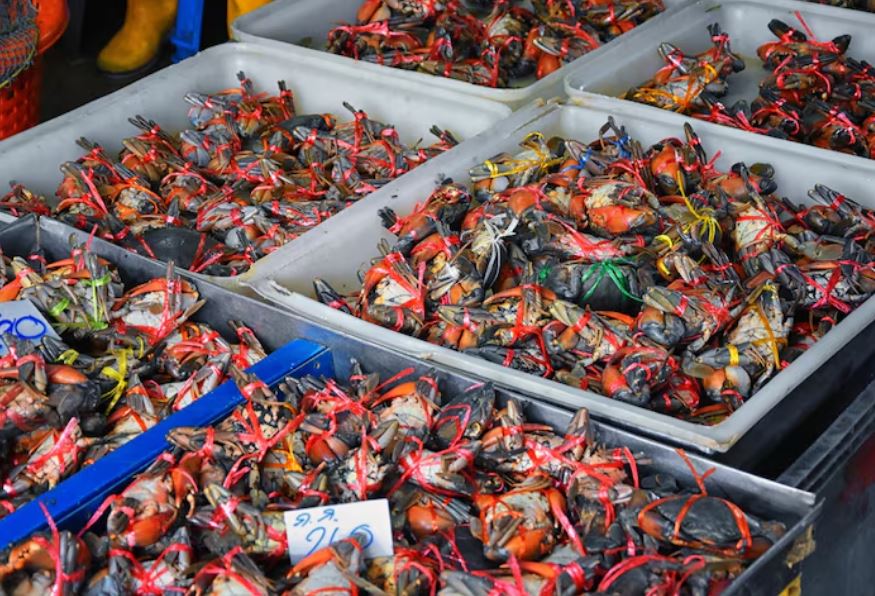
In fact, it’s a well-known pattern in seafood enforcement. Dopico’s result contrasts with what transpired in Mississippi a year prior, when Quality Poultry and Seafood entered a guilty plea to mislabeling imported fish as premium Gulf Coast catch for almost twenty years. Individual managers were placed in home detention and released under supervision, and the company paid fines and forfeitures totaling more than $1.1 million. The Biloxi restaurant associated with the same scheme, Mary Mahoney’s, was ordered to pay nearly $1.5 million. Although those cases involved mislabeling rather than price-fixing, they do provide a baseline, which Dopico’s resolution falls well short of.
As this develops, it seems as though seafood fraud prosecutions fall into an odd middle ground within American white-collar enforcement. In practice, it doesn’t seem to be serious enough to result in harsh penalties, but it is serious enough to generate press releases that cite the Sherman Act and quote federal officials in righteous tones. Outside researchers have estimated that mislabeling rates in the larger import market range from 16 to 75 percent, depending on methodology, while NOAA’s own inspectors have discovered fraud in about 40 percent of seafood products submitted for voluntary review. One suspended sentence hardly counts as deterrence when compared to such numbers.
Whether this result is due to Dopico’s cooperation, the quality of the supporting evidence, or just the way federal sentencing guidelines handle a first-time, non-violent antitrust offense is still up for debate. It is evident that the lobster and stone crab fishermen in Florida, whose dock prices were purportedly suppressed for two years, are unlikely to feel that justice has been served. Instead, it came almost silently.
