
Close Menu
FishonlineFishonline
  • Homepage
  • Contact
  • Privacy Policy
  • Disclaimer
  • About
  • TOS
  • Seafood
  • News
  • Trending
  • Travel
What's Hot

The Irish Coastal Drive That Combines Some of Europe’s Most Dramatic Scenery With Its Most Honest Seafood

June 23, 2026

Oregon DEQ vs. Pacific Seafood: The $3.2 Million Fine That Has the Entire U.S. Seafood Industry on Edge

June 23, 2026

Why the Florida Keys Is Still the Greatest Seafood Destination in America — and How to Eat There Without Being a Tourist

June 23, 2026
FishonlineFishonline
Subscribe
  • Homepage
  • Contact
  • Privacy Policy
  • Disclaimer
  • About
  • TOS
  • Seafood
  • News
  • Trending
  • Travel
FishonlineFishonline
Home » Massachusetts Just Announced New Marine Debris Cleanup Regulations That Have Lobstermen and Scientists on Opposite Sides
All

Massachusetts Just Announced New Marine Debris Cleanup Regulations That Have Lobstermen and Scientists on Opposite Sides

Mildred BellBy Mildred BellMay 21, 2026No Comments4 Mins Read
Facebook Twitter LinkedIn Telegram Pinterest Tumblr Reddit WhatsApp Email
Massachusetts Just Announced New Marine Debris Cleanup Regulations That Have Lobstermen and Scientists on Opposite Sides
Share
Facebook Twitter LinkedIn Pinterest Email

A quiet rule change that had been in the works for nearly a century came into effect on a gloomy morning in late January, somewhere between the long curl of Cape Cod Bay and the Sagamore Bridge. Formerly prohibited until January 30, Massachusetts now permits the removal of abandoned fishing gear from its beaches and shallows. Even when you say that sentence aloud, it still sounds incorrect. Because state code from 1940 treated a broken lobster trap as private property for sixty days, regardless of whether it had been reduced to plastic confetti, removing one from a public beach could put you in legal hot water.

The change has been presented by the Healey-Driscoll administration as long overdue housekeeping. On paper, it is difficult to dispute Secretary Rebecca Tepper’s assertion that it was a win-win. Every year, about 9% of fishing gear is lost or abandoned, which adds up to an incredible amount of metal, line, and plastic-coated trap wire strewn all over the seabed over the course of a season. Some of it continues to fish long after its owner has forgotten it; scientists have dubbed this unsettling, frictionless process “ghost fishing.”

However, the atmosphere becomes more nuanced after spending a few hours in the parking lot of any working harbor north of Boston. Lobstermen are not opposed to cleanup. They oppose the notion that one day a well-meaning nonprofit with a grant and a skiff, or a community volunteer, might determine which of their traps qualify as debris. In actuality, the distinction between “intact functional gear” and “fishing gear debris” depends on who is removing it from the water. A guy who has been fixing wire pots since the Reagan administration might be able to fix a trap that appears completely destroyed to a Woods Hole college intern. The older fleet believes that the distinction between cleanup and confiscation is more hazy than the press release acknowledges.

For their part, scientists are less understanding of the hand-wringing. For years, researchers at organizations like the Center for Coastal Studies have been surreptitiously removing ghost gear from Cape Cod Bay under strict permits. They have the photos to demonstrate the harm that abandoned wire causes to a young right whale. When you speak with them, you can’t help but notice a sense of weary frustration that comes from witnessing the same issue worsen for ten years while you wait for the state to catch up. They don’t think the new regulation goes too far. It’s just the beginning.

What’s subtly intriguing is that the legislation was developed in a manner that these things seldom do: through a Derelict Gear Task Force that has been meeting in the same room since 2022 and included representatives from the lobster industry, conservation organizations, the Environmental Police, and municipal officials. Dan McKiernan, director of DMF, has taken care to give credit to the lobstermen who contributed to its writing. It remains to be seen if that goodwill endures the first difficult enforcement scenario.
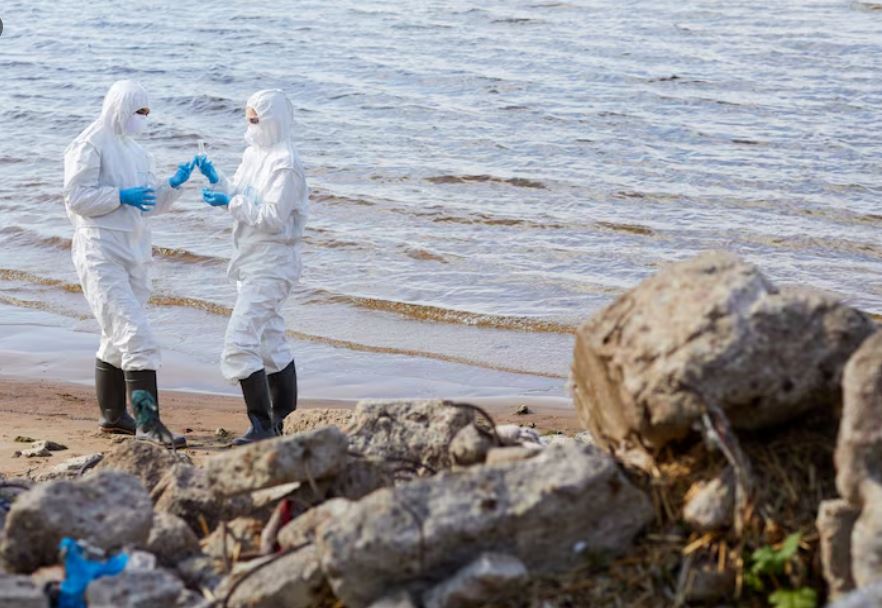
Massachusetts Just Announced New Marine Debris Cleanup Regulations That Have Lobstermen and Scientists on Opposite Sides

Beneath all of this is a more subdued query that no agency release will directly address. Instead of the wooden lathe pots that fall apart after a few seasons, the majority of contemporary traps are made of plastic-coated metal. The previous legislation presumed that equipment would kindly biodegrade. The new equipment doesn’t. In this way, cleanup is a continuous municipal expense that has not yet been fully priced, rather than a one-time gesture.

The rule might function precisely as intended. By the following summer, it’s also possible that a Chatham town volunteer will set up the wrong trap and the lawyers will show up before the seagulls. In any case, something has changed along the Massachusetts coast. Silently. Without much fanfare. Strangely, this is how most significant things start.

Marine Debris
Share. Facebook Twitter Pinterest LinkedIn Tumblr Telegram Email
Previous ArticleThis Japanese Miso Glazed Black Cod Recipe Changed the Way America Thinks About Affordable Weeknight Fish
Next Article The Budget Airline Seat Upgrade That Makes Long-Haul Seafood Travel Pilgrimages Finally Worth the Journey
Mildred Bell

Mildred Bell is a full-time digital professional, seasoned traveler, and ardent outdoor enthusiast who infuses her writing with a sincere love of the natural world. In her role as Senior Editor at fishonline.co.uk, the online home of Seafood Audit International, Mildred is in charge of editorial content covering news about the seafood industry, updates on food safety, politics, finance, and commentary from prominent figures in the fishing and seafood industries. Beyond the desk, Mildred has a deeper connection to the material she edits. She is a passionate angler who has spent years fishing open waters, rivers, and coastlines throughout the UK and beyond. Her genuine knowledge of the fishing industry informs all of her editorial choices. Mildred's passion for travel stems from the same restless curiosity. She has traveled to many different continents with a rod, a notebook, and an eye for the stories that others overlook.

Related Posts

Inside the Fight to Save Wild Atlantic Salmon From a Regulatory Framework That Scientists Say Is Already Too Late

June 23, 2026

New Sheepshead Size and Catch Limits Could Hit Local Seafood Shops Harder Than Owners Expected

June 22, 2026

The Airbnb Study That Reveals Exactly What American Families Actually Need From Coastal Travel Accommodation

June 22, 2026
Add A Comment

Comments are closed.

The Irish Coastal Drive That Combines Some of Europe’s Most Dramatic Scenery With Its Most Honest Seafood

Travel June 23, 2026

Sheer and dark against whatever the sky is doing that day, the Cliffs of Moher…

Oregon DEQ vs. Pacific Seafood: The $3.2 Million Fine That Has the Entire U.S. Seafood Industry on Edge

June 23, 2026

Why the Florida Keys Is Still the Greatest Seafood Destination in America — and How to Eat There Without Being a Tourist

June 23, 2026

How Complex Sustainability Rules Are Leaving American Seafood Consumers Completely Lost in the Supermarket Aisle

June 23, 2026

Pennsylvania Is Proposing New Trout Size Limits That Could Fundamentally Change Weekend Fishing Across the State

June 23, 2026

$250,000 Worth of Stolen Seafood Was Recovered From a Cargo Truck in Guadalupe County. The Story Is Wild

June 23, 2026

Inside the Fight to Save Wild Atlantic Salmon From a Regulatory Framework That Scientists Say Is Already Too Late

June 23, 2026

Fishonline.co.uk is the official online home of Seafood Audit International, a UK-based food safety and quality management consultancy with more than 25 years of hands-on experience in the global seafood and fishing industries. Based in Wellington, Somerset, we work with fish processors, food businesses, government inspection services, and international organisations to deliver practical, measurable, and cost-effective food safety solutions.We are not a generic food safety company. Seafood and fish products are our entire focus — and that specialisation is what makes us different.Who We AreSeafood Audit International was founded on a straightforward belief: that food safety training and quality management should be practical, accessible, and genuinely useful — not a box-ticking exercise.For over two decades we have worked with clients ranging from high street fish retailers and small-scale processors to large-scale international fishing operations, government bodies, and seafood exporters in the developing world. Our experience stretches from dhows on Lake Victoria to the trawlers of the UK coastline — giving us a depth of real-world knowledge that classroom-only consultancies simply cannot match.Our lead consultant is a fully qualified auditor with extensive experience across British Retail Consortium (BRC) and ISO 9000 quality management standards, HACCP implementation, food hygiene, and the development of national food safety legislation for governments internationally.What We DoSeafood Audit International provides a comprehensive range of training, auditing, and consultancy services tailored specifically to the seafood and fishing industries:Training Courses

Top Insights

The Irish Coastal Drive That Combines Some of Europe’s Most Dramatic Scenery With Its Most Honest Seafood

June 23, 2026

Oregon DEQ vs. Pacific Seafood: The $3.2 Million Fine That Has the Entire U.S. Seafood Industry on Edge

June 23, 2026

Why the Florida Keys Is Still the Greatest Seafood Destination in America — and How to Eat There Without Being a Tourist

June 23, 2026

How Complex Sustainability Rules Are Leaving American Seafood Consumers Completely Lost in the Supermarket Aisle

June 23, 2026

Pennsylvania Is Proposing New Trout Size Limits That Could Fundamentally Change Weekend Fishing Across the State

June 23, 2026
Disclaimer

Important Editorial Notice: All content on fishonline.co.uk, including that pertaining to business finance, political developments, financial markets, and regulatory changes, is provided solely for informational and discussion purposes. It is merely the opinion of a third party and does not represent the expert advice of fishonline.co.uk or Seafood Audit International.
We strongly advise against taking any action based on any political, legal, or financial information found on this website without first consulting an impartial expert. Seafood Audit International is not governed by the Financial Conduct Authority (FCA) and is not permitted to offer financial advice. Always seek advice from an independent financial advisor authorized by the FCA before making any financial decisions. Seek legal advice from an experienced attorney.

© 2026 ThemeSphere. Designed by ThemeSphere.
  • Homepage
  • Contact
  • Privacy Policy
  • Disclaimer
  • About
  • TOS
  • Seafood
  • News
  • Trending
  • Travel

Type above and press Enter to search. Press Esc to cancel.