

Seafood at breakfast is an intriguing and underutilized option that is frequently disregarded in the midst of the current protein obsession—the supplement shelves, the macro-tracking apps, the social media reels devoted to morning routines. For years, nutritionists have argued that fish and shellfish provide some of the cleanest, most accessible protein sources available, along with omega-3 fats that are unmatched by Greek yogurt or peanut butter toast in the morning.
The reluctance is typically more cultural than nutritional; for example, most Western households don’t typically serve shrimp for breakfast, and those who haven’t had salmon before nine in the morning still find it shocking. Those folks are constantly in error.
It is worthwhile to get a quick comprehension of the mechanism. In contrast to carbohydrate-heavy meals, high-protein breakfasts stabilize blood glucose, which lessens the midmorning hunger surge that drives individuals to the workplace snack drawer by 10:30.
Seafood easily achieves this effect: a serving of smoked salmon contains about 20 grams of protein, sardines combine protein with a density of calcium and omega-3 fatty acids, making them possibly the most nutrient-dense breakfast item available, and canned albacore tuna performs the same function at a fraction of the cost. The major obstacle to eating any of these foods before noon is that most of us were not taught how to do it.
To span the entire spectrum of effort and occasion, nutritionists regularly return to these ten meals. The starting point is the smoked salmon and avocado rye toast, which has Norwegian smoked salmon on sturdy rye, avocado for fat and fiber, and capers and lemon for brightness. It hits every marker in five minutes. The shrimp and spinach scramble, which involves precooked, thawed shrimp folded into eggs with a handful of spinach, takes eight minutes to prepare and is the antithesis of elegance.
The salmon morning quinoa bowl makes the greatest use of leftovers by combining baked salmon and a soft-boiled egg over warm quinoa to create a dish that more closely resembles lunch than breakfast. The sardine and white bean smashed toast, which consists of sardines mashed with white beans, tahini, miso, and lemon over whole-wheat bread, may seem like an acquired taste at first, but it soon becomes the one you look forward to the most, which is a surefire indication that something is actually functioning nutritionally.
The weekday computation is completely altered when two of the recipes are cooked in bulk. The smoked salmon egg muffins are portable, freezable protein units that reheat in 90 seconds and provide about 20 grams of protein per two cups. The eggs are beaten with cottage cheese and herbs and baked in a muffin tin with smoked salmon chunks folded through.
The seafood breakfast burrito, which consists of scrambled eggs, smoked salmon or scallops, avocado, salsa, and peppers wrapped in a whole-wheat tortilla, foil-wrapped, and frozen for a week, accomplishes a similar goal with a little more variation. These are the type of meals that need to be prepared for an hour on Sunday afternoon, following which the decision about breakfast is completely eliminated for the remainder of the week.
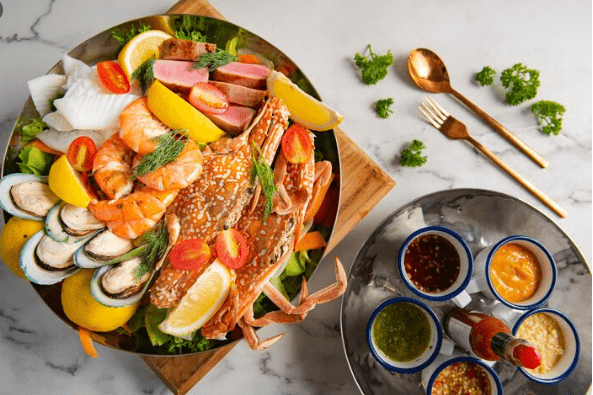
It’s difficult to ignore the fact that the dishes with the highest nutritional value also seem more like actual food than assembled health content. A skillet dish that any experienced cook would be delighted to have at any time of day is the salmon-potato hash, which consists of crispy salmon skin fried like bacon, flaky salmon meat blended through tender potatoes, and fried eggs on top.
Good bread, cottage cheese spread, fresh crab, and cherry tomatoes are all grounded in the same way as the crab and cottage cheese toasts. There is no compromise in either recipe. The fact that they also happen to possess the protein content that keeps you from being hungry for six hours thereafter is, at that point, practically irrelevant because they are both just delicious.
