

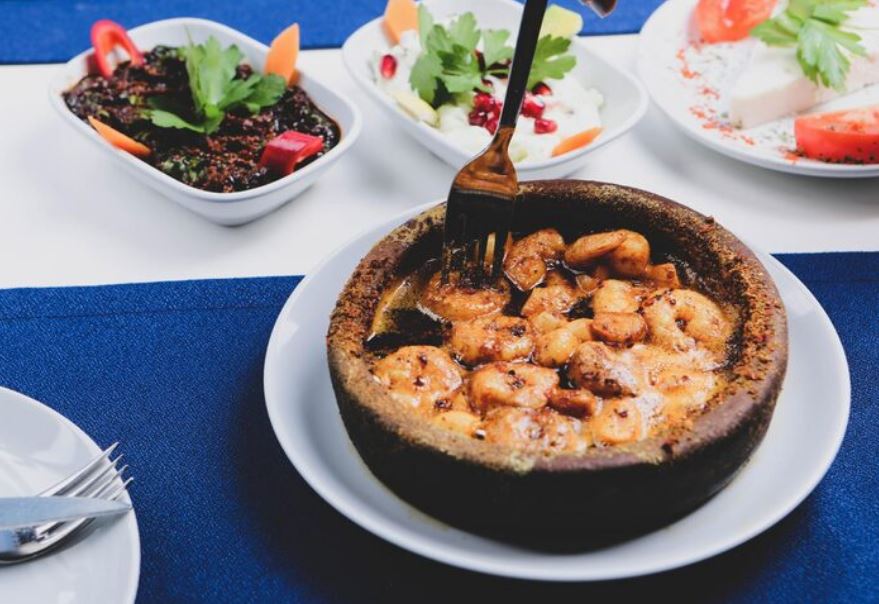
Over the past few years, something changed in American weeknight cooking, and it had nothing to do with air fryers or intricate grain bowls. It required a large amount of heavy cream, sun-dried tomatoes, a skillet, and a bag of shrimp. Ten years ago, creamy Tuscan shrimp was hardly a part of popular recipe culture. Today, it’s one of the nation’s most sought-after, pinned, and replicated dinners. There’s a good chance that someone in the seafood section of any suburban grocery store on a Tuesday night is preparing precisely this meal.
The recipe itself is almost too easy. After searing seasoned shrimp in butter or olive oil and removing them, you use the same pan to make a cream sauce with garlic, sun-dried tomatoes, baby spinach, and Parmesan. The shrimp returns. One skillet, twenty minutes, no drama. It’s the type of dish that appears to have taken a lot of work—the spinach wilts into something elegant, the sauce pools around the shrimp in an Instagram-worthy way—but the majority of the work actually involves standing at the stove stirring.
The origins of the dish are a topic of quiet discussion. Some attribute the introduction of creamy garlic sauces with Italian seasoning and sun-dried tomatoes to a generation of American diners to Olive Garden’s Tuscan-inspired menu items in the early 2000s. Some claim it’s a loose adaptation of French cream sauce techniques combined with Florentine cooking traditions. In all honesty, given the pragmatic reasoning of a home cook gazing into a partially empty refrigerator at six o’clock on a Wednesday, it’s probably both. The point may be that no one is claiming historical purity here.
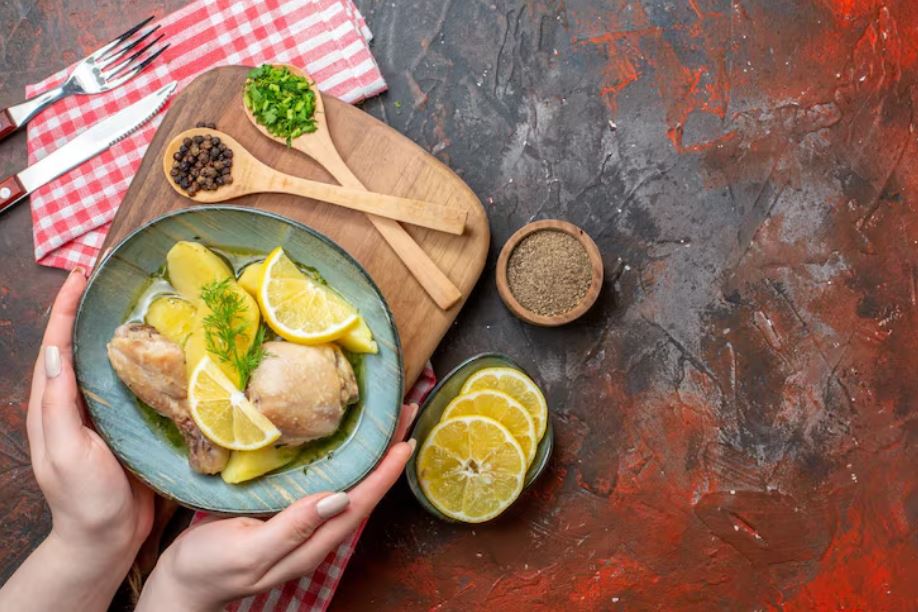
Beyond its speed, the recipe’s forgiveness is what makes it stick. Mascarpone or even coconut milk can be used in place of heavy cream. Kale can be replaced with spinach without any complaints. In some versions, cherry tomatoes appear, and in others, artichoke hearts. The shrimp may come from an eight-dollar frozen bag that is kept in every American freezer as a safety measure against not knowing what to cook. No technique or level of precision is necessary to distinguish between success and failure. The cream sauce would likely save you even if you made a conscious effort to ruin it.
Food creators and recipe blogs discovered this early. Tens of thousands of people have shared versions of creamy Tuscan shrimp on Facebook and Pinterest, frequently with captions that promise restaurant-quality results in less than half an hour. It’s difficult to dispute the numbers. There are almost two hundred reviews for one of Julia’s album’s popular versions. Three-year-old Reddit threads continue to receive fresh comments from people who are trying the dish for the first time, sharing pictures of their own attempts, and inquiring as to whether white wine is required. It’s the kind of recipe that makes people who don’t typically get excited about cooking genuinely enthusiastic.
Economic factors play a role in the appeal. One of the more reasonably priced seafood proteins is still shrimp, particularly when it’s frozen. A pound of shrimp cooks more quickly and stretches farther than scallops or salmon fillets. When combined with pantry staples like garlic, Italian seasoning, and a jar of sun-dried tomatoes that have been sitting on the shelf for months, the entire meal can be prepared for a fraction of the price of a plate from a restaurant. This dish seems to exist specifically to address a problem that most families deal with on a weekly basis: what can we eat tonight that is quick, inexpensive, and doesn’t feel like settling?
It’s still unclear if creamy Tuscan shrimp will continue to be popular or eventually lose favor like other popular recipes. It’s possible that this dish follows the same trajectory as baked feta pasta or marry-me chicken, which both had a brief reign before quietly fading. However, it has a more resilient quality. It is not dependent on a TikTok trend or a single viral moment. It relies on a skillet, a bag of shrimp, and the age-old weeknight query that every home has a different response to but poses in the same manner.
