

It was not really planned. Around day four, while sitting at a plastic table in Olhão and observing a man fan charcoal with a folded newspaper, the vague craving I had when I first arrived in Faro turned into a habit. I ate grilled fish for thirty days. Very little else. Sea bass, bream, sardines, and sometimes a whole dinner-plate-sized tuna steak. In writing, it sounds constrictive. At the time, it didn’t feel that way.
To be honest, the Algarve makes this kind of choice simple. The area is located on Portugal’s southern border, where centuries of fishing customs and Atlantic currents have created a cuisine that is almost universal. Restaurants here assume you’ve come for grilled fish rather than serving it. When they are present at all, menus frequently seem like an afterthought. At one restaurant close to Tavira, a waiter just asked what we wanted to drink before bringing any fish that had arrived that morning, salted, oiled, and charred over coals without asking any questions.
You wouldn’t believe how frequently that type of restaurant appears. There is a specific type of Algarve restaurant that is typically family-run, a little run-down, and the kitchen doesn’t bother printing prices because the results are always pretty much the same: inexpensive and more than you can eat. When I waved off a fifth or sixth piece of fish, I stopped keeping track of how many times a server appeared truly disappointed. They might take it a little personally. That abundance is a source of pride, and I learned to appreciate it more than I had anticipated.
Eating this way for weeks on end made me realize how little the preparation changed and how little it seemed to matter. Olive oil, salt, occasionally parsley and garlic, and occasionally just the heat from the coals. There were no sauces to mask the true flavor of the fish. Only because there was nothing else vying for attention on the plate did I notice that sardines in July tasted different from those in early August; they were fattier and somehow more assertive. Instead of dulling the palate as I had anticipated, a month of simplicity ended up sharpening it.
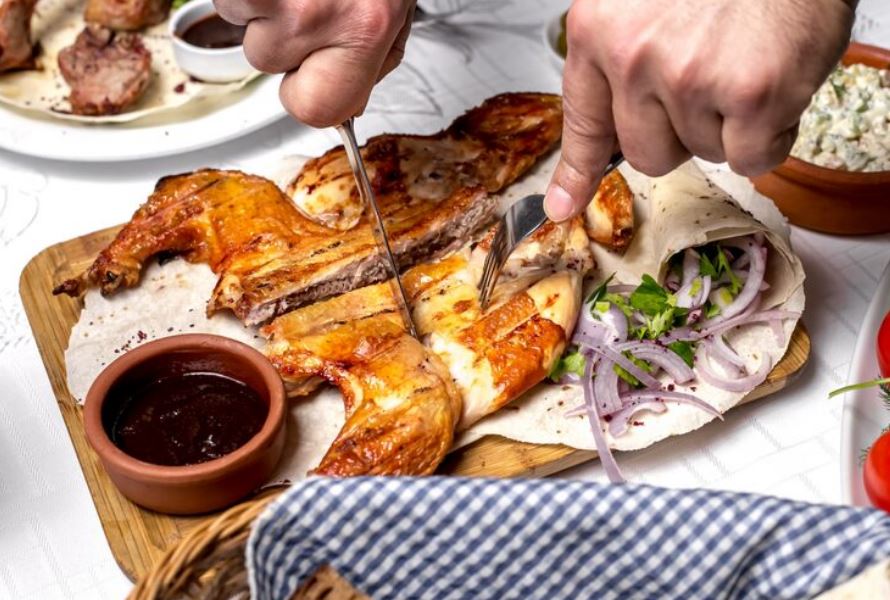
Beneath all of this is a slower rhythm that is more related to how people here plan their days than it is to food. Stretches for lunch. Discussions stray. It doesn’t seem like anyone is eager to switch places. One afternoon, as I sat at a beachside grill in Albufeira, fish smoke wafting past sunburned tourists and elderly locals alike, it dawned on me that the meal wasn’t really the point, or wasn’t the only point. The two hours that were built around it were the point.
I won’t pretend that the quieter family spots and the eat-all-you-can establishments are interchangeable because they aren’t. For tourists seeking a picture-perfect experience, the tourist-heavy sections of the coast have embraced a particular performative version of this cuisine, fish theater. In towns like Olhão and Portimão, which are located further inland or just off the main strip, the same dish seems less like a show and more like a habit that no one has bothered to dress up for. I was well-fed by both versions. In twenty years, whether or not anyone was around, only one of them thought it would still be going exactly like this.
I honestly don’t know the answer to the question of whether a month of this is sustainable as a real lifestyle. My enthusiasm may not match my cholesterol levels. However, there is merit to a diet centered around a single, well-executed item in a location where that one item just so happens to be this beneficial. I was lighter in some small ways and heavier in others when I left the Algarve, and I would take a flight back tomorrow if it were reasonably priced, fork in hand, no menu needed.
