

Some dishes seem almost too easy to write about. A dish you pass by on a menu, ignore at the grocery store, or perhaps vaguely remember from a depressing office lunch or your grandparents’ kitchen. For many, that dish is smoked mackerel pate. And that’s a real shame because, when done right, it’s one of the most satisfying, punchy, and captivating things you can put on a table for almost nothing.
This dish, dressed up with sourdough soldiers and a small pot of cornichons and priced between nine and fourteen pounds, is probably on the starter menu of any half-decent brasserie in London, the kind with tiled floors and tiny candles dripping onto paper tablecloths. This dish is not a secret. It’s not fashionable. However, it always merits respect.
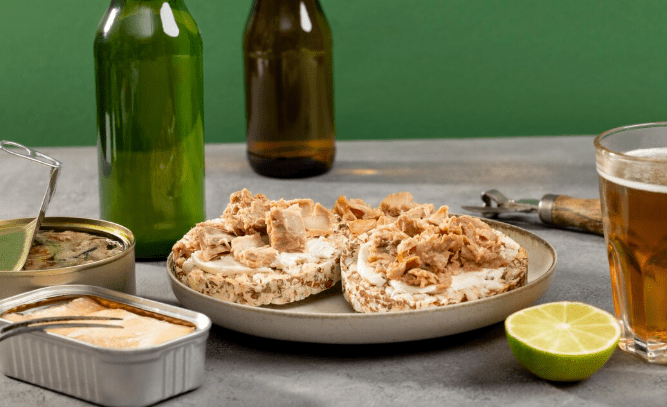
The recipe itself is incredibly simple. A few tablespoons of horseradish sauce, softened butter, chopped coriander and chives, four smoked mackerel fillets, a good squeeze of lemon, and a generous pinch of black pepper. That’s about it. The heavy lifting is done by a food processor, which blends everything into a smooth, flavorful paste that retains the fish’s smoke all the way to the end. For a slightly lighter texture, some versions substitute cream cheese or crème fraîche. For a sharper edge, some people use Dijon mustard. Here, there isn’t a single right answer, and maybe that’s the point—it allows for experimentation.
The harmony of fat and acid in the smoked mackerel pate recipe is what makes it so successful. The horseradish adds something almost electric underneath, not quite hot but more like a low, pleasant burn that lingers, while the butter completes the picture and the lemon cuts through it. It tastes truly restaurant-quality when served cold from the refrigerator with thickly cut sourdough that has been toasted until the edges are slightly charred. Perhaps that’s what most people are surprised by when they make it at home for the first time.
There has always been an optimistic, slightly chaotic vibe to the British picnic tradition. With a bag that is half wine and half real food, they go outside as soon as the sun rises, usually onto slightly damp grass. This pate is ideal for that situation because it looks much more labor-intensive than it actually is, travels well in a sealed jar, and keeps for a few days in the refrigerator. After years of being eclipsed by more visually appealing imports, it seems like food like this is gradually making its way back onto tables.
It’s difficult to ignore how frequently the easiest things turn out to be the most dependable. Rich, greasy, and self-assured, smoked mackerel has never required much assistance. To keep it together, add a little heat, a little acid, and something creamy. What emerges from the blender is straightforward, honest, and fuss-free. Jamie Oliver’s version comes with cress salad and griddled toast. With sourdough and spring onions, the BBC version, which has received almost five stars in almost a hundred reviews, keeps it simple. They are both correct.
Depending on where you shop, the cost of making this at home can range from three to five pounds. You would pay a lot more for the same dish in a London restaurant. Whether that difference seems ridiculous or just represents the experience of having someone else do it for you probably reveals something about your current mood on a particular night. The pate tastes the same in either case.
