

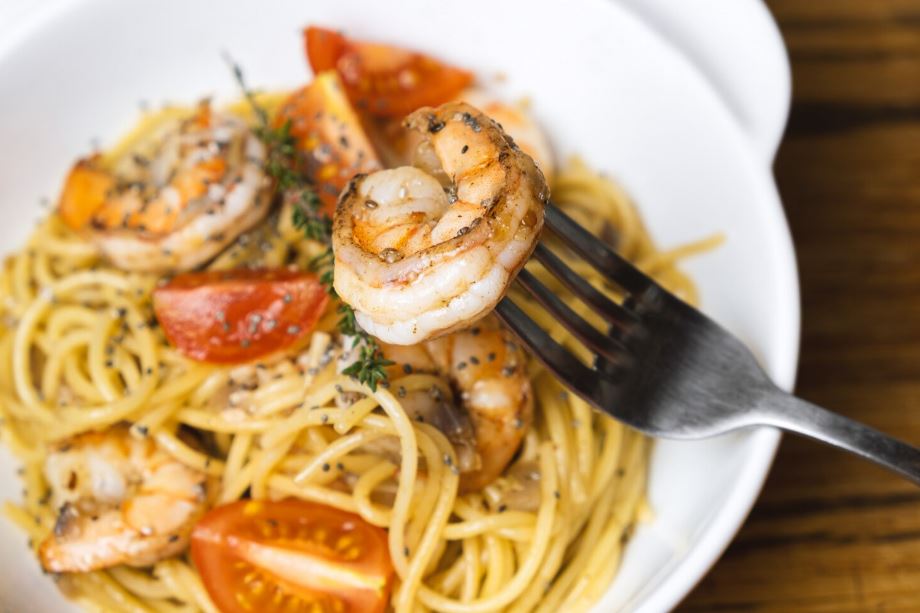
The majority of the praise given to shrimp scampi is well-deserved. It’s quick, buttery, and doesn’t require much of the person at the stove. However, if you spend enough time around a stockpot, you’ll realize that scampi is merely the starting point. Beyond the garlic and lemon juice that everyone is familiar with, the true variety of seafood pasta—the ingredients that make a kitchen smell like a coastal trattoria rather than a chain restaurant—lives somewhere.
Simmer a red clam sauce with only mashed garlic and high-quality olive oil for fifteen minutes. There’s a reason why variations of it appear repeatedly in home kitchens that typically switch between dozens of recipes, even though it sounds almost too easy to care about. When done patiently, simplicity usually outlasts fads. The same reasoning holds true for a creamy bay scallop spaghetti, where the scallops are cooked a little longer than most recipes recommend. This may seem counterintuitive, but the extra minute in the pan extracts flavor from the sherry sauce rather than leaving it thin.
Then there is the seafood, which is rarely discussed outside of specialty cookbooks. For example, squid exhibits peculiar behavior when heated in a skillet. Even after being patted dry, it still releases liquid, and for a minute or two, it appears to be simmering rather than searing. The dark, crisp bits that remain in the pan and turn into sauce when scraped up with a splash of pasta water are what cooks who pull it too soon miss. It’s a minor technical detail, but it makes the difference between a dish that is forgotten and one that people are curious about.
Whether or not anyone notices it while dining, regional history also appears here. In some homes, the origins of crab fra diavolo can be traced to relatives who went crabbing off the coast of Jersey and brought the catch home for a great-aunt to make sauce. Many Italian-American families have a Christmas Eve tradition of serving zuppa di pesce with red wine and, ideally, Sinatra playing in the background. These are more than just recipes. For a particular type of evening, they are inherited shorthand.
Some of the most intriguing renditions aren’t even Italian. Japanese wafu pasta, which is based on spaghetti but flavored with ingredients like cured pollock roe, occupies an odd but satisfying space between two distinct culinary traditions. People are initially taken aback by this type of dish, primarily because the flavor profile deviates from what the noodle had anticipated.
These recipes are all very simple. The majority arrive in less than 45 minutes, and many land closer to 20. Instead, they ask for care, such as saving the pasta water, not hurrying the sear, and trusting a longer simmer when a recipe calls for it. For a dinner that seems much more planned than it actually was, that is a small price.
There is nothing wrong with shrimp scampi continuing to be a staple of the weeknight menu. However, the slightly longer route is rewarded by the wider seafood pasta world, which includes clams, scallops, swordfish, crab, and even cured roe. Usually, it does.
