

A satisfying bowl of clam chowder has an almost combative quality. It comes thick or thin, cream-white or tomato-red, and someone at the table has already sworn allegiance before you’ve even lifted your spoon. For example, chicken noodle soup doesn’t have the same weight as this dish. It feels more like resolving a minor cultural dispute that has been simmering since the 1800s than it does like a cooking exercise to rank ten clam chowder recipes.
Let’s start at the bottom: simple condensed can chowder with extra cream. It’s not particularly bad, but it tastes more like someone’s recollection of chowder than actual chowder; it’s heavy on sodium, thin on brine, and lacks the texture that makes the dish controversial. The New England slow-cooker version, which solves the time issue but loses something in translation, is a step above that. The potatoes become somewhat mushy. The taste of clams diminishes. No one is particularly enthusiastic about the compromise candidate.
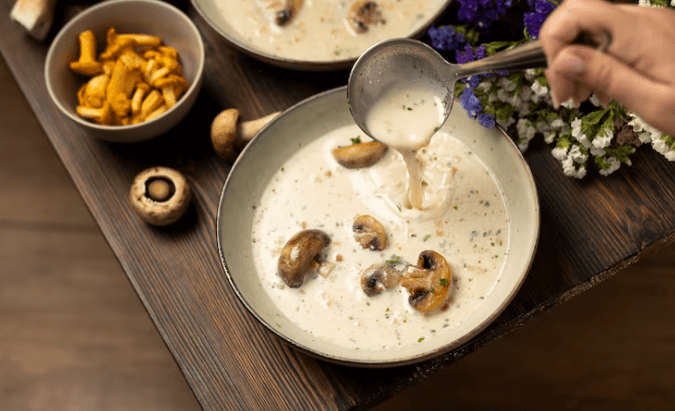
A traditional from-scratch recipe that uses canned minced clams with reserved juice, half-and-half, and a proper roux sits comfortably in the middle of this ranking as we move into truly solid territory. Its reputation is earned by the Allrecipes version, which has been rated by more than 2,000 home cooks. One of those little details that sounds bad until it tastes good is the red wine vinegar trick at the end, which cuts through the cream without making an announcement. The majority of American home kitchens might actually require this recipe.
Next is number three. Fresh cherrystone clams and homemade shellfish stock are used in Andrew Zimmern’s version, which draws from the culinary history he described in his Substack newsletter. Without a doubt, it is the recipe on this list with the highest technical difficulty. It’s also the most divisive. It’s truly briny, layered, and the kind of chowder you’d expect near a working dock in Gloucester, according to some tasters. Others think it’s more of a statement than a dinner, fussy, and slightly aggressive in its clam flavor. Both responses make sense. It’s intriguing precisely because of that.
Reluctant Entertainer’s bacon-forward version is a comfortable four. The addition of leek adds something subtle and surprising, and it leans into the smoky fat of the bacon in a way that feels decadent without going overboard. It serves a large crowd with ease, takes good pictures, and has received almost 700 reviews—and for good reason. It has a cozy, authentically homey feel to it, as if it was created in a real kitchen by someone who actually prepares dinner.
The contrarian’s choice, Manhattan chowder, is placed in the middle of the list because it doesn’t apologize for the tomato. Without cream softening every edge, it’s leaner, brighter, and perhaps more true to the flavor of clams. In 1939, a well-known Maine lawmaker attempted to make the tomato addition illegal. Since the bill’s failure, the recipe has been subtly upheld.
The top three positions go to recipes that emphasize fresh clams, salt pork, high-quality shellfish stock, and patience—the kind of chowder that takes two hours and doesn’t apologize for it. With thousands of reviews and a perfect five-star rating, the NYT Cooking version merits a spot near the top. Instead of onion, use leeks. A little wine. Nothing drastic, but each choice was deliberate.
It’s difficult to ignore the fact that people’s most memorable recipes—those associated with particular dishes, coastlines, or kitchens—rarely originate from a ranking list. However, they must begin somewhere.
