
Close Menu
FishonlineFishonline
  • Homepage
  • Contact
  • Privacy Policy
  • Disclaimer
  • About
  • TOS
  • Seafood
  • News
  • Trending
  • Travel
What's Hot

I Travelled to Five American Oyster Regions in Three Weeks. The Winner Was Not Who Anyone Expected

June 23, 2026

The ‘Deadzoning’ Travel Trend Encouraging Seafood Lovers to Ditch the Tourist Trail and Find Genuine Fishing Communities

June 23, 2026

Why French Travellers Are Choosing Coastal Staycations Over International Seafood Destinations — and What It Means for Tourism

June 23, 2026
FishonlineFishonline
Subscribe
  • Homepage
  • Contact
  • Privacy Policy
  • Disclaimer
  • About
  • TOS
  • Seafood
  • News
  • Trending
  • Travel
FishonlineFishonline
Home » The ‘Deadzoning’ Travel Trend Encouraging Seafood Lovers to Ditch the Tourist Trail and Find Genuine Fishing Communities
Travel

The ‘Deadzoning’ Travel Trend Encouraging Seafood Lovers to Ditch the Tourist Trail and Find Genuine Fishing Communities

Mildred BellBy Mildred BellJune 23, 2026No Comments4 Mins Read
Facebook Twitter LinkedIn Telegram Pinterest Tumblr Reddit WhatsApp Email
Tourist Trail and Find Genuine Fishing Communities
Share
Facebook Twitter LinkedIn Pinterest Email

There was no TripAdvisor sticker on the door, no English-language menu, and no card payment option. Additionally, it was the best fish dinner a traveler could have throughout the year. The deadzoning travel trend is based on this combination: no signals, no reviews, and no platform validation safety net. Additionally, it’s gaining traction among those who take their diet seriously in ways that the mainstream tourism industry hasn’t yet caught up with.

In its most basic form, deadzoning is the deliberate travel to locations without dependable internet or cell connection. It began as a reaction to burnout, a means of completely disengaging at a time when remote work follows people on vacation, but it has now taken on a unique culinary aspect. Chefs have known for decades that the best fish is rarely served where it is readily available, but seafood enthusiasts have discovered this.

A city restaurant two hundred miles inland frequently uses the same wholesale supply chain as the beach eateries with their Instagram followings and carefully manicured catch-of-the-day boards. The meal is genuinely different in the undiscovered fishing towns where the boats arrive at six in the morning and the catch is sent directly to the family kitchen at the end of the dock.

The real-world example is simple. More often than their menus indicate, major coastal tourist destinations import or source from industrial farms. Travelers are taken outside of that system by deadzoning. Local boats continue to deliver bluefish, octopus, and calamari every day to the Turkish Aegean islands of Gokceada and Bozcaada, and the tavernas that serve them are frequently owned by the same family.

Staying in one of the ancient rorbuer, the red wooden fishermen’s houses perched above the water in the northern Norwegian Lofoten Islands, immerses guests in a culture that has been harvesting Arctic cod for decades. One of the most important occasions in local life is the skrei season, when the cod move south along the Norwegian coast. When visitors come during that window and eat where the natives do, they are consuming food that is unique.

Farther away, small-scale Koli fishing operations still account for nearly all of the activity on the Malvani coast in Maharashtra, India, especially in the areas surrounding Malvan and Sindhudurg. Whatever was brought in that morning is used to make the fish curries served there. There are no menus in the traditional sense. You consume what is on hand. Although it seems restrictive, it is not. Pakistan’s Gwadar and Makran coastline is even less developed for tourism, making it more challenging to get around logistically but also more authentic once you’re there. Local prawns, grouper, and red snapper that artisanal fishermen harvest from the Arabian Sea don’t need much preparation to be exceptional.

A successful deadzoning excursion differs from a challenging one based on practical factors. Eating locally means eating what’s in season, and coming at the wrong time can mean the harbor is quiet and the boats are elsewhere, so it’s worth the time to research catch seasons before traveling. The best way to make direct purchases is to arrive at the docks early, before the catch is distributed. Additionally, preparation is necessary for the disconnect itself: offline maps, physical guidebooks, and informing family members that you won’t be reachable are fundamentals that seem apparent but are frequently disregarded.
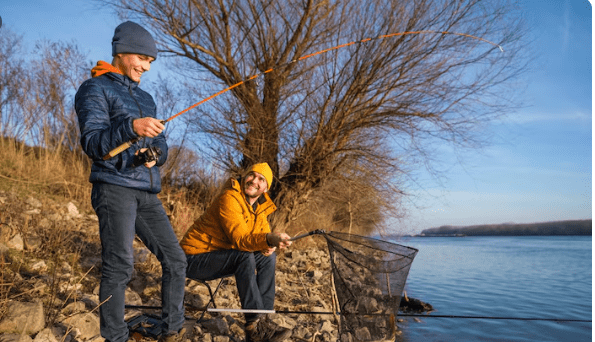
Tourist Trail and Find Genuine Fishing Communities

The underlying economic reasoning is less evident. By staying in family-run guesthouses, dining at the smallest local restaurant, and purchasing fish directly from fishermen, tourists are contributing to communities who receive virtually little income from traditional coastal tourism. This version of a seafood vacation is better for the destination and the food on the table, and it doesn’t take an intellectual commitment to slow travel to see that.

'Deadzoning' Travel Trend Genuine Fishing Communities Seafood Lovers Tourist Trail
Share. Facebook Twitter Pinterest LinkedIn Tumblr Telegram Email
Previous ArticleWhy French Travellers Are Choosing Coastal Staycations Over International Seafood Destinations — and What It Means for Tourism
Next Article I Travelled to Five American Oyster Regions in Three Weeks. The Winner Was Not Who Anyone Expected
Mildred Bell

    Mildred Bell is a full-time digital professional, seasoned traveler, and ardent outdoor enthusiast who infuses her writing with a sincere love of the natural world. In her role as Senior Editor at fishonline.co.uk, the online home of Seafood Audit International, Mildred is in charge of editorial content covering news about the seafood industry, updates on food safety, politics, finance, and commentary from prominent figures in the fishing and seafood industries. Beyond the desk, Mildred has a deeper connection to the material she edits. She is a passionate angler who has spent years fishing open waters, rivers, and coastlines throughout the UK and beyond. Her genuine knowledge of the fishing industry informs all of her editorial choices. Mildred's passion for travel stems from the same restless curiosity. She has traveled to many different continents with a rod, a notebook, and an eye for the stories that others overlook.

    Related Posts

    I Travelled to Five American Oyster Regions in Three Weeks. The Winner Was Not Who Anyone Expected

    June 23, 2026

    Why French Travellers Are Choosing Coastal Staycations Over International Seafood Destinations — and What It Means for Tourism

    June 23, 2026

    I Took My Four-Year-Old Fishing in Alaska for Two Weeks — It Was the Easiest Family Trip I Have Ever Taken

    June 23, 2026
    Add A Comment
    Leave A Reply Cancel Reply

    You must be logged in to post a comment.

    I Travelled to Five American Oyster Regions in Three Weeks. The Winner Was Not Who Anyone Expected

    Travel June 23, 2026

    It was easy to assume that New England would prevail. In the food media narrative…

    The ‘Deadzoning’ Travel Trend Encouraging Seafood Lovers to Ditch the Tourist Trail and Find Genuine Fishing Communities

    June 23, 2026

    Why French Travellers Are Choosing Coastal Staycations Over International Seafood Destinations — and What It Means for Tourism

    June 23, 2026

    The Remote Alaskan Fishing Lodge That Has a One-Year Waiting List and Is Worth Every Day of the Wait

    June 23, 2026

    I Took My Four-Year-Old Fishing in Alaska for Two Weeks — It Was the Easiest Family Trip I Have Ever Taken

    June 23, 2026

    The Sheet Pan Shrimp Fajita Recipe That Has Become the Most Saved Weeknight Dinner on Every Food Platform

    June 23, 2026

    The Squid Is About to Be Reclassified as a Shellfish by USFWS, Here’s Why That Matters for Regulation

    June 22, 2026

    Fishonline.co.uk is the official online home of Seafood Audit International, a UK-based food safety and quality management consultancy with more than 25 years of hands-on experience in the global seafood and fishing industries. Based in Wellington, Somerset, we work with fish processors, food businesses, government inspection services, and international organisations to deliver practical, measurable, and cost-effective food safety solutions.We are not a generic food safety company. Seafood and fish products are our entire focus — and that specialisation is what makes us different.Who We AreSeafood Audit International was founded on a straightforward belief: that food safety training and quality management should be practical, accessible, and genuinely useful — not a box-ticking exercise.For over two decades we have worked with clients ranging from high street fish retailers and small-scale processors to large-scale international fishing operations, government bodies, and seafood exporters in the developing world. Our experience stretches from dhows on Lake Victoria to the trawlers of the UK coastline — giving us a depth of real-world knowledge that classroom-only consultancies simply cannot match.Our lead consultant is a fully qualified auditor with extensive experience across British Retail Consortium (BRC) and ISO 9000 quality management standards, HACCP implementation, food hygiene, and the development of national food safety legislation for governments internationally.What We DoSeafood Audit International provides a comprehensive range of training, auditing, and consultancy services tailored specifically to the seafood and fishing industries:Training Courses

    Top Insights

    I Travelled to Five American Oyster Regions in Three Weeks. The Winner Was Not Who Anyone Expected

    June 23, 2026

    The ‘Deadzoning’ Travel Trend Encouraging Seafood Lovers to Ditch the Tourist Trail and Find Genuine Fishing Communities

    June 23, 2026

    Why French Travellers Are Choosing Coastal Staycations Over International Seafood Destinations — and What It Means for Tourism

    June 23, 2026

    The Remote Alaskan Fishing Lodge That Has a One-Year Waiting List and Is Worth Every Day of the Wait

    June 23, 2026

    I Took My Four-Year-Old Fishing in Alaska for Two Weeks — It Was the Easiest Family Trip I Have Ever Taken

    June 23, 2026
    Disclaimer

    Important Editorial Notice: All content on fishonline.co.uk, including that pertaining to business finance, political developments, financial markets, and regulatory changes, is provided solely for informational and discussion purposes. It is merely the opinion of a third party and does not represent the expert advice of fishonline.co.uk or Seafood Audit International.
    We strongly advise against taking any action based on any political, legal, or financial information found on this website without first consulting an impartial expert. Seafood Audit International is not governed by the Financial Conduct Authority (FCA) and is not permitted to offer financial advice. Always seek advice from an independent financial advisor authorized by the FCA before making any financial decisions. Seek legal advice from an experienced attorney.

    © 2026 ThemeSphere. Designed by ThemeSphere.
    • Homepage
    • Contact
    • Privacy Policy
    • Disclaimer
    • About
    • TOS
    • Seafood
    • News
    • Trending
    • Travel

    Type above and press Enter to search. Press Esc to cancel.