

There was no TripAdvisor sticker on the door, no English-language menu, and no card payment option. Additionally, it was the best fish dinner a traveler could have throughout the year. The deadzoning travel trend is based on this combination: no signals, no reviews, and no platform validation safety net. Additionally, it’s gaining traction among those who take their diet seriously in ways that the mainstream tourism industry hasn’t yet caught up with.
In its most basic form, deadzoning is the deliberate travel to locations without dependable internet or cell connection. It began as a reaction to burnout, a means of completely disengaging at a time when remote work follows people on vacation, but it has now taken on a unique culinary aspect. Chefs have known for decades that the best fish is rarely served where it is readily available, but seafood enthusiasts have discovered this.
A city restaurant two hundred miles inland frequently uses the same wholesale supply chain as the beach eateries with their Instagram followings and carefully manicured catch-of-the-day boards. The meal is genuinely different in the undiscovered fishing towns where the boats arrive at six in the morning and the catch is sent directly to the family kitchen at the end of the dock.
The real-world example is simple. More often than their menus indicate, major coastal tourist destinations import or source from industrial farms. Travelers are taken outside of that system by deadzoning. Local boats continue to deliver bluefish, octopus, and calamari every day to the Turkish Aegean islands of Gokceada and Bozcaada, and the tavernas that serve them are frequently owned by the same family.
Staying in one of the ancient rorbuer, the red wooden fishermen’s houses perched above the water in the northern Norwegian Lofoten Islands, immerses guests in a culture that has been harvesting Arctic cod for decades. One of the most important occasions in local life is the skrei season, when the cod move south along the Norwegian coast. When visitors come during that window and eat where the natives do, they are consuming food that is unique.
Farther away, small-scale Koli fishing operations still account for nearly all of the activity on the Malvani coast in Maharashtra, India, especially in the areas surrounding Malvan and Sindhudurg. Whatever was brought in that morning is used to make the fish curries served there. There are no menus in the traditional sense. You consume what is on hand. Although it seems restrictive, it is not. Pakistan’s Gwadar and Makran coastline is even less developed for tourism, making it more challenging to get around logistically but also more authentic once you’re there. Local prawns, grouper, and red snapper that artisanal fishermen harvest from the Arabian Sea don’t need much preparation to be exceptional.
A successful deadzoning excursion differs from a challenging one based on practical factors. Eating locally means eating what’s in season, and coming at the wrong time can mean the harbor is quiet and the boats are elsewhere, so it’s worth the time to research catch seasons before traveling. The best way to make direct purchases is to arrive at the docks early, before the catch is distributed. Additionally, preparation is necessary for the disconnect itself: offline maps, physical guidebooks, and informing family members that you won’t be reachable are fundamentals that seem apparent but are frequently disregarded.
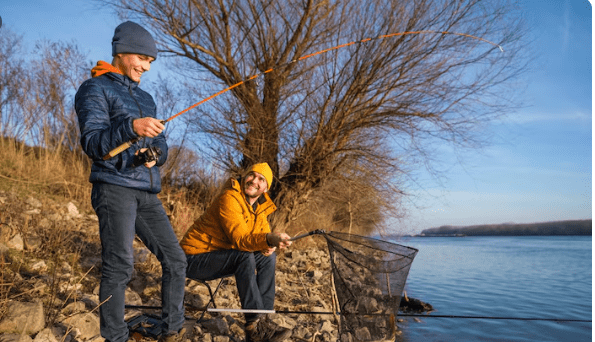
The underlying economic reasoning is less evident. By staying in family-run guesthouses, dining at the smallest local restaurant, and purchasing fish directly from fishermen, tourists are contributing to communities who receive virtually little income from traditional coastal tourism. This version of a seafood vacation is better for the destination and the food on the table, and it doesn’t take an intellectual commitment to slow travel to see that.
