

The oyster market in Cancale, Brittany, was booming on a Tuesday morning in late July. People who had driven here from Rennes or taken the train from Paris the previous evening were receiving paper plates from vendors who were shucking at folding tables along the harbor wall. Japan was not mentioned. Portugal was not mentioned. They were eating oysters that had been harvested from the bay that morning in front of the Atlantic, and that seemed to be sufficient.
For the past two years, tourism economists have been attentively observing this spectacle, which is replicated in various forms around the French coast. French tourists are opting to remain. Not from a lack of ambition, but rather from a pragmatic reevaluation motivated by comfort, affordability, and a world that has begun to feel less predictable than it did ten years ago.
The most immediate factor is inflation. In recent years, over half of French households have cut back on their travel expenditures, with the overseas itinerary typically suffering the most. A week in Portugal’s Algarve or a long-haul journey to Japan for seafood entails lodging in markets where the euro isn’t as strong as it once was, airfare that has skyrocketed, and logistics that just need more energy than a drive to the Normandy coast. The calculus changes more quickly than it may in other nations when the home option is truly world-class, which is frequently the case in France.
The coastline of France is hardly a consolation prize. The oyster beds of Brittany and the Arcachon Basin, the sea urchins of Marseille, the langoustines of the Atlantic ports, the bourride and bouillabaisse of the Riviera—these are the kinds of seafood that other countries market to French tourists who are meant to be there. Accessing it without having to check bags or navigate international transit networks is what it means to stay at home.
Depending on who is counting, this change has conflicting economic effects. Bookings for local lodging and coastal rental markets have significantly increased. High season in places like Granville, Saint-Malo, and Sánchez feels different than it did five years ago; it’s more French, more family-friendly, and a little less carefree. The final element is important. Instead of dining at the seaside eateries, domestic tourists are dining at the market booths. Instead of ordering wine lists, they are purchasing bottles at the local cave. Although they observe the shift in the average receipts, hospitality owners are grateful for the foot traffic.
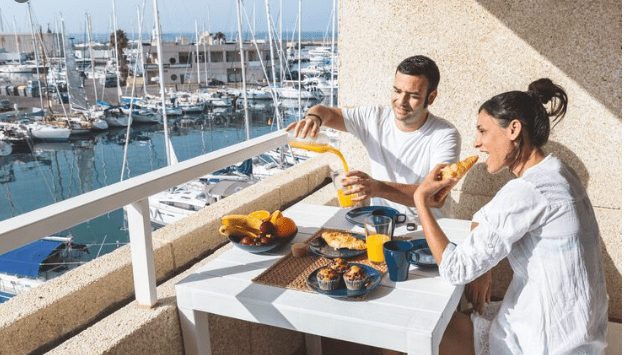
The redistribution makes sense for the country’s overall economy. Money that would have gone to foreign restaurants, hotels, and airlines is staying in France. Regional ferry operators, gîte owners, local fishing cooperatives, and market vendors all profit from a trend that was not intended with them in mind. Tourism boards are still figuring out whether it makes up for the decline in high-margin foreign tourism that France itself receives from travelers who may have come particularly to experience that world-class coastline.
