

The majority of parents spend three months persuading themselves that taking a toddler on a trip to Alaska is not a good idea. The logistics seem overwhelming. The distances are actual. Your itinerary is irrelevant to the weather. Furthermore, a four-year-old has ideas on topics unrelated to halibut tides or salmon flows.
Before we left, no one informed me that Alaska is actually one of the easiest locations to take a little child when done correctly. The structure of a fishing trip naturally fits the rhythm a little child requires, not because it’s kid-proof or because the fish cooperate—they don’t always. You’re not hurrying from one attraction to another. You’re not in charge of crowds at theme parks or museums. Most of the time, you’re in one spot, outside, with water close by and something going on in front of you that captures your attention more effectively than most screens.
For the most of the journey, we stayed on the Kenai Peninsula, alternating between Soldotna and Homer. The drive-up shore locations along Cook Inlet in Homer proved to be the greatest choice of the two weeks, and the Russian and Kenai rivers are nearby. The four-year-old was allowed to dig in the sand ten feet away as we set up folding chairs on the beach and threw rods into the ocean. There are no currents to be concerned about, no drop-offs, and no one ordering us to keep it down. It was there that she caught her first rockfish, bringing it up with both hands and appearing genuinely surprised that the rod had succeeded.
Everything else was easier because we were renting a cottage with a kitchen the whole time. In a place where it can take two hours to travel between towns on a single road, hotel hopping with a toddler is a quick way to have a horrible vacation. genuine food, a genuine place to nap, and a washing machine for the inevitable muck were all part of the cabin. In a state where grocery prices are already higher than in most of the nation, it also meant that we weren’t paying restaurant pricing every night.
The recommendation to forego typical five-hour salmon excursions with children under five is accurate when it comes to charters. The water becomes choppy, standard charters are lengthy, and boredom and seasickness strike at around the same time. We had the option to cancel our private half-day excursion when the wind came up. This flexibility is more expensive, but in our situation, it practically saves the day.
The most effective rhythm was to pitch one activity at her and one at us each day. An day at a playground or the little aquarium in Homer, followed by a morning spent fishing at the beach. A morning stroll down the river, followed in the afternoon by a guided float with a firm that had an additional guide on the raft only to assist with casting. Everyone was able to function because of that balance. Nap timings were maintained. Additionally, it meant that the grownups could continue to pursue their reasons for traveling to Alaska.
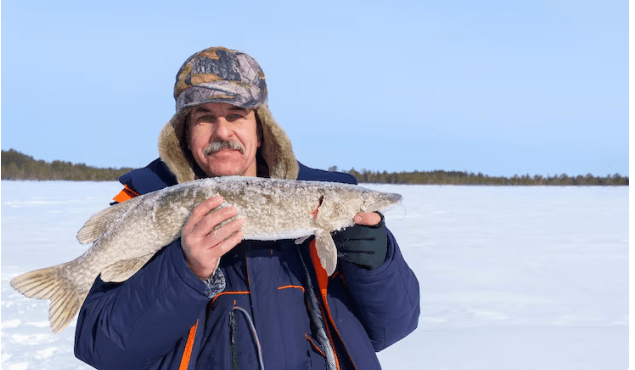
As non-residents, children under sixteen do not require a fishing license in Alaska, which eliminates one logistical layer and, surprisingly, makes the entire process feel less transactional. She was fishing as a little child. No documentation is needed.
