Close Menu
FishonlineFishonline
  • Homepage
  • Contact
  • Privacy Policy
  • Disclaimer
  • About
  • TOS
  • Seafood
  • News
  • Trending
  • Travel
What's Hot

Why the Most Honest Seafood You Will Ever Eat Is Always Found in the Smallest, Least Photographed Town on the Map

June 17, 2026

Why Chincoteague, Virginia Is the Most Underrated Seafood Travel Destination on the Entire East Coast

June 17, 2026

The Chincoteague Seafood Festival Is Back and Gallons of Clams and Oysters Are Already Moving Into Place

June 17, 2026
FishonlineFishonline
Subscribe
  • Homepage
  • Contact
  • Privacy Policy
  • Disclaimer
  • About
  • TOS
  • Seafood
  • News
  • Trending
  • Travel
FishonlineFishonline
Home » How Louisiana’s New Imported Seafood Laws Are Being Watched by Every Coastal State Legislature in the Country
News

How Louisiana’s New Imported Seafood Laws Are Being Watched by Every Coastal State Legislature in the Country

Mildred BellBy Mildred BellJune 17, 2026No Comments4 Mins Read
Facebook Twitter LinkedIn Telegram Pinterest Tumblr Reddit WhatsApp Email
How Louisiana's New Imported Seafood Laws Are Being Watched by Every Coastal State Legislature in the Country
Share
Facebook Twitter LinkedIn Pinterest Email

When the shrimp boats remain docked, a certain silence descends upon Bayou Dulac. The only movement is caused by gulls circling low over water that should be churning with activity by this stage of the season, while nets hang motionless from their rigging. Legislative summaries rarely include this type of scene, but it was the one that compelled Louisiana lawmakers to take action that most other states have only discussed.

Governor Jeff Landry signed House Bill 857 into law in June at the Jean Lafitte Auditorium, adding what he referred to as “teeth” to the state’s seafood labeling regulations. The law focuses on a particular type of deception called commingling, in which imported shrimp are combined with domestic catch and marketed to gullible consumers as coming from Louisiana. Penalties begin at $15,000 and increase to $50,000 for repeat offenders. It is not a slap on the wrist. For many smaller seafood retailers, that figure could mean the end of their business, and it appears that this is intentional.

Observing this from outside of Louisiana, it’s remarkable how methodical the entire campaign has been. There was more than one bill. The Agriculture Commissioner’s seizure powers, invoice retention requirements, and the reallocation of funds for domestic seafood marketing rather than fraud detection were all part of the sequence. The steady hand behind much of it has been Commissioner Mike Strain, who has repeatedly informed lawmakers that the quickest way to identify a cheater is often through paperwork rather than lab tests. It’s an unglamorous detail, but it’s the kind of detail that turns a law from symbolic to truly enforceable.

In the language of the policy, it’s easy to overlook the human thread that runs through all of this. Growing up near shrimp boats in Terrebonne Parish, Rep. Jessica Domangue—whose father, grandfather, and great-grandfather all worked the water—sponsored multiple bills. She mentioned going shrimping for the first time when she was six weeks old. Lawmakers don’t typically disclose that information, and it’s difficult to ignore how much it influences the urgency of her work. To her, this is not abstract trade policy. A family-run company is being undercut by a product that no one can fully identify.
How Louisiana's New Imported Seafood Laws Are Being Watched by Every Coastal State Legislature in the Country
How Louisiana’s New Imported Seafood Laws Are Being Watched by Every Coastal State Legislature in the Country

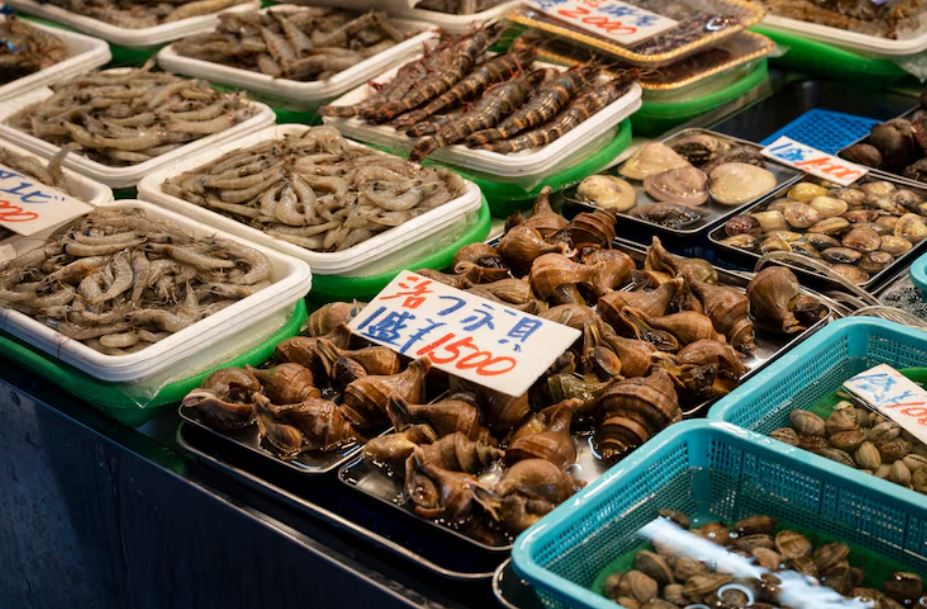
Additionally, the figures clarify why the undercutting seems so dangerous. According to strain, nearly 94% of the seafood consumed in the United States is imported. Ninety-four percent. In light of this, Louisiana’s domestic shrimping industry appears less like a charming regional trade and more like an endangered one, squeezed by cheaper imports that occasionally have dubious origins, such as seafood linked to known labor violations abroad or testing positive for veterinary chemicals prohibited in American aquaculture. It’s another matter entirely whether customers at the seafood counter truly understand any of this.

Other states appear to be keeping a close eye on what happens next. From the Carolinas to the Gulf Coast, coastal legislatures have their own interpretations of this issue, which include fishing communities losing ground to imports, consumers not being able to distinguish between the two, and enforcement agencies lacking the necessary authority to take action. Louisiana’s strategy, which combines labeling regulations with investigative authority and monetary fines severe enough to truly discourage fraud, provides something approaching a viable model. It’s possible that some of it will be widely adopted by other states. Additionally, once the strategy encounters sectors with greater lobbying power than Louisiana’s shrimpers ever had, it might be diluted.

Speaking with those involved in this battle, it seems that Louisiana views itself as a testing ground. The commingling law becomes a model that other legislatures can refer to without having to carry out the political heavy lifting themselves if it overcomes legal challenges and genuinely modifies behavior at the retail level. If it fails, either due to inadequate enforcement or companies coming up with new ways around it, it becomes a warning story instead.

In any case, it will likely take some time for the Bayou Dulac docks to notice the difference. It takes time for laws to have an impact on the water. However, a staff member is probably currently looking up the text of House Bill 857 somewhere in a state capitol building far from Louisiana, wondering if it might work back home as well.

Coastal State Legislature Imported Seafood Laws
Share. Facebook Twitter Pinterest LinkedIn Tumblr Telegram Email
Previous ArticleThe Lithuanian Midsummer Festival Where the Smoked Fish Is the Main Event — and Why Americans Are Finally Discovering It
Next Article The Chincoteague Seafood Festival Is Back and Gallons of Clams and Oysters Are Already Moving Into Place
Mildred Bell

Mildred Bell is a full-time digital professional, seasoned traveler, and ardent outdoor enthusiast who infuses her writing with a sincere love of the natural world. In her role as Senior Editor at fishonline.co.uk, the online home of Seafood Audit International, Mildred is in charge of editorial content covering news about the seafood industry, updates on food safety, politics, finance, and commentary from prominent figures in the fishing and seafood industries. Beyond the desk, Mildred has a deeper connection to the material she edits. She is a passionate angler who has spent years fishing open waters, rivers, and coastlines throughout the UK and beyond. Her genuine knowledge of the fishing industry informs all of her editorial choices. Mildred's passion for travel stems from the same restless curiosity. She has traveled to many different continents with a rod, a notebook, and an eye for the stories that others overlook.

Related Posts

Why the Most Honest Seafood You Will Ever Eat Is Always Found in the Smallest, Least Photographed Town on the Map

June 17, 2026

Why Chincoteague, Virginia Is the Most Underrated Seafood Travel Destination on the Entire East Coast

June 17, 2026

The Chincoteague Seafood Festival Is Back and Gallons of Clams and Oysters Are Already Moving Into Place

June 17, 2026
Add A Comment
Leave A Reply Cancel Reply

You must be logged in to post a comment.

Why the Most Honest Seafood You Will Ever Eat Is Always Found in the Smallest, Least Photographed Town on the Map

Seafood June 17, 2026

Eating fish in a picturesque setting can lead to a certain kind of disappointment. The…

Why Chincoteague, Virginia Is the Most Underrated Seafood Travel Destination on the Entire East Coast

June 17, 2026

The Chincoteague Seafood Festival Is Back and Gallons of Clams and Oysters Are Already Moving Into Place

June 17, 2026

How Louisiana’s New Imported Seafood Laws Are Being Watched by Every Coastal State Legislature in the Country

June 17, 2026

The Lithuanian Midsummer Festival Where the Smoked Fish Is the Main Event — and Why Americans Are Finally Discovering It

June 17, 2026

California’s Dungeness Crab Industry Just Received New Whale Entanglement Rules — and Fishermen Are Furious

June 17, 2026

Inside the Jersey Shore Restaurant That Has Been a Seafood Sensation for 109 Years — and Shows No Signs of Stopping

June 17, 2026

Fishonline.co.uk is the official online home of Seafood Audit International, a UK-based food safety and quality management consultancy with more than 25 years of hands-on experience in the global seafood and fishing industries. Based in Wellington, Somerset, we work with fish processors, food businesses, government inspection services, and international organisations to deliver practical, measurable, and cost-effective food safety solutions.We are not a generic food safety company. Seafood and fish products are our entire focus — and that specialisation is what makes us different.Who We AreSeafood Audit International was founded on a straightforward belief: that food safety training and quality management should be practical, accessible, and genuinely useful — not a box-ticking exercise.For over two decades we have worked with clients ranging from high street fish retailers and small-scale processors to large-scale international fishing operations, government bodies, and seafood exporters in the developing world. Our experience stretches from dhows on Lake Victoria to the trawlers of the UK coastline — giving us a depth of real-world knowledge that classroom-only consultancies simply cannot match.Our lead consultant is a fully qualified auditor with extensive experience across British Retail Consortium (BRC) and ISO 9000 quality management standards, HACCP implementation, food hygiene, and the development of national food safety legislation for governments internationally.What We DoSeafood Audit International provides a comprehensive range of training, auditing, and consultancy services tailored specifically to the seafood and fishing industries:Training Courses

Top Insights

Why the Most Honest Seafood You Will Ever Eat Is Always Found in the Smallest, Least Photographed Town on the Map

June 17, 2026

Why Chincoteague, Virginia Is the Most Underrated Seafood Travel Destination on the Entire East Coast

June 17, 2026

The Chincoteague Seafood Festival Is Back and Gallons of Clams and Oysters Are Already Moving Into Place

June 17, 2026

How Louisiana’s New Imported Seafood Laws Are Being Watched by Every Coastal State Legislature in the Country

June 17, 2026

The Lithuanian Midsummer Festival Where the Smoked Fish Is the Main Event — and Why Americans Are Finally Discovering It

June 17, 2026
Disclaimer

Important Editorial Notice: All content on fishonline.co.uk, including that pertaining to business finance, political developments, financial markets, and regulatory changes, is provided solely for informational and discussion purposes. It is merely the opinion of a third party and does not represent the expert advice of fishonline.co.uk or Seafood Audit International.
We strongly advise against taking any action based on any political, legal, or financial information found on this website without first consulting an impartial expert. Seafood Audit International is not governed by the Financial Conduct Authority (FCA) and is not permitted to offer financial advice. Always seek advice from an independent financial advisor authorized by the FCA before making any financial decisions. Seek legal advice from an experienced attorney.

© 2026 ThemeSphere. Designed by ThemeSphere.
  • Homepage
  • Contact
  • Privacy Policy
  • Disclaimer
  • About
  • TOS
  • Seafood
  • News
  • Trending
  • Travel

Type above and press Enter to search. Press Esc to cancel.