

In Vermont kitchens, there’s a certain stubbornness that has nothing to do with nostalgia and everything to do with knowing what works. Since 2001, the Sunday brunch menu at the Sugarbrook Inn, located off a dirt road outside of Woodstock where the maple trees lean close enough to shade the porch by midmorning, has undergone numerous changes. Pancakes have come and gone. About eighteen months passed during a brief, foolish flirtation with avocado toast. However, the salad of smoked trout has never been taken off the table.
The dish itself seems almost too straightforward to merit such devotion. Over a tangle of peppery arugula and butter lettuce are flakes of cold-smoked trout that have been sourced for years from a small smokehouse near Lake Champlain. A soft-boiled egg with a slightly jammy yolk is cut in half and placed inside the greens. Depending on who’s cooking that week, there’s cucumber for crunch, something acidic from a jar of pickled red onions, and a dressing composed of lemon, fresh dill, and a base that ranges from yogurt to crème fraîche. It’s not a difficult plate. In fact, it may be the simplest item on the menu, which seems to be part of the point.
The reason it has persisted for so long is more difficult to explain. Restaurants are subject to change. Within a season, trends emerge and embarrass themselves. However, the same dish has been on the same chalkboard every Sunday for 25 years, and regulars seem to notice if it doesn’t. One longtime server, who has been working brunch shifts there since she was in her twenties, claims to have seen patrons noticeably unwind when they see it listed. A restaurant that doesn’t try to be clever about everything has a certain comfort.
The trout itself is worth pausing on because that’s where this dish truly gains its devotion. Raw fish lacks the saltiness and subtle sweetness that come with smoked fish. This combination gives a salad a unique flavor, making the entire dish seem finished rather than put together. The soft egg adds richness without making the dish heavy, and the lemon-dill dressing embraces that quality rather than opposing it. This type of cooking appears to view restraint as a skill rather than a constraint.
It also has a subtly regional quality. Maple syrup and heavy carbohydrates are popular in Vermont brunch culture; this type of meal is meant to fuel a long drive home or a morning on the skis. Perhaps the reason it has persisted is because a cold, bright, slightly briny salad goes against that instinct. In the same way that a good newspaper column stands out just by not shouting, it offers something different on a menu that would otherwise be crowded with sameness.
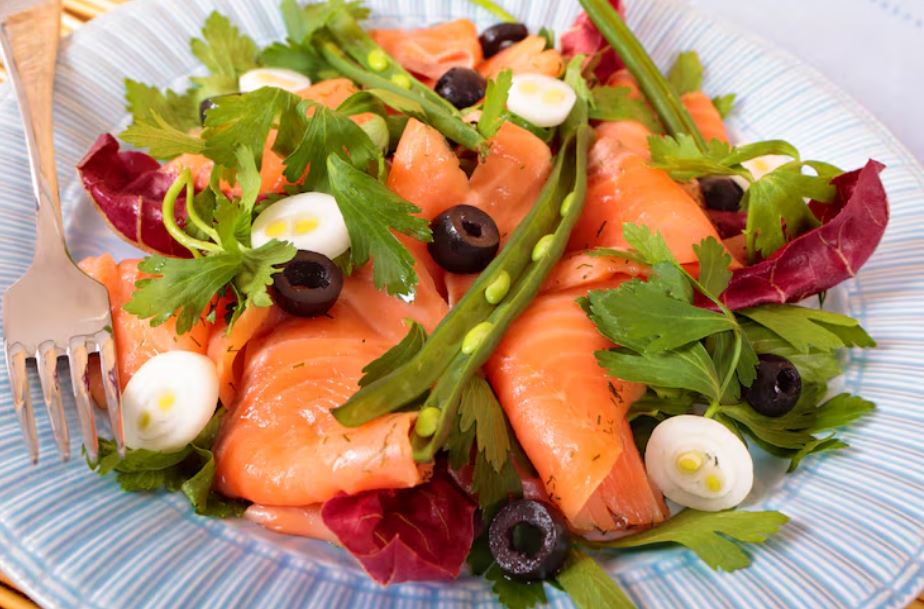
It’s difficult to ignore the question of whether the dish would have endured in a city restaurant, where menus change every few months to reflect whatever ingredient is popular. Inns function in a different way. Their business relies on repeat business from customers who come back year after year with the expectation that at least one item will taste exactly the same. The smoked trout salad appears to serve as a sort of focal point, a dish that patrons can depend on while everything else is being reimagined.
There’s also a little irony here. According to most accounts, the recipe hasn’t changed much since it first appeared. Perhaps yogurt was used instead of mayonnaise at one point, and when the original supplier closed, a milder smoked trout was used instead. Not very dramatic. It begs the question, “Is 25 years of consistency a sign of culinary confidence, or is it just a kitchen that found something good early and didn’t see the need to gamble with it?” Maybe both.
Regardless of the reason, the dish has outlived almost everything else on that brunch menu, including a number of head chefs. A restaurant that is willing to let one unglamorous, two-and-a-half-decade-old salad quietly do its job, Sunday after Sunday, without needing to be reinvented for anyone, seems almost archaic.
