

When you inquire about seafood labeling regulations, coastal communities exhibit a certain optimism that falls somewhere between resignation and unwavering hope. It’s easy to see why when you stand on a dock in Biloxi and watch boats arrive loaded with Gulf shrimp. The current state of federal law largely permits the people transporting those nets to compete with frozen imports that are labeled however the seller pleases.
Last year, Mississippi approved its own fix. Restaurants and supermarkets were required by House Bill 602 to label seafood as “Domestic” or “Imported,” with actual fines ranging from $500 for a first offense to $10,000 for repeat offenders. Commissioner Andy Gipson described it as a matter of basic trust when it went into effect in July of last year, saying that customers should know where their dinner comes from. Reasonable enough. However, a third of Coast restaurants continued to mislabel shrimp as local and wild-caught when it wasn’t, according to testing conducted by SeaD Consulting nearly a year later. Compared to 82% mislabeled back in December 2024, that is a significant improvement. A third, however, is a lot of dishonest plates.
The true story here is not so much about Mississippi as it is about the disparity between the law on paper and shrimp on a plate. It has to do with Washington.
Senator Cindy Hyde-Smith and Tommy Tuberville of Alabama introduced the LABEL Act, a federal bill that would mandate nationwide country-of-origin labeling on seafood packaging, printed in type as large as the product name itself. It sounds humble. Since last year, it has been in the Senate Agriculture Committee. Additionally, the FISH Act, which passed both the Senate and the committee unanimously and is intended to blacklist vessels associated with forced labor and illegal fishing, has yet to reach the President’s desk months later. Stalled momentum and unanimous support seldom go hand in hand, leaving you to wonder what’s really going on behind the scenes.
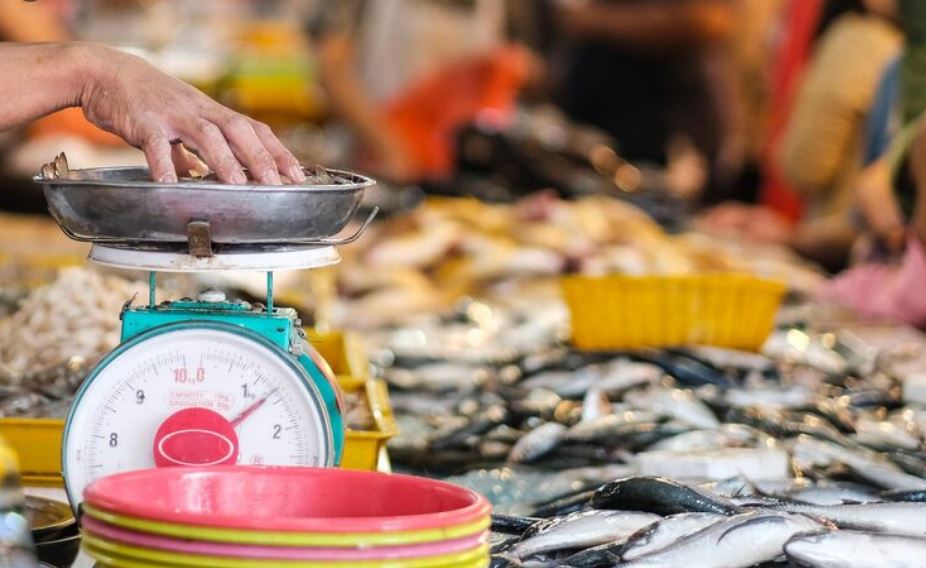
A portion of it is simply inertia. Large import-driven seafood companies, such as those that transport frozen shrimp in large quantities from Vietnam, Indonesia, and India, stand to lose little from labeling regulations that could reduce consumer demand for less expensive goods. Of course, no one publicly opposes honesty. However, the pace of committee inaction and lobbying filings reveal a more subdued tale. It’s possible that no legislator is significantly obstructing anything. More importantly, no one with actual leverage is under enough pressure to move it.
Then there is the issue of funding, which receives far too little attention. More than 1,300 employees were laid off or forced to depart early in early 2025 by NOAA, the organization that is actually in charge of enforcement, pursuing flagged vessels, conducting genetic testing, and working with the Coast Guard. The administration then suggested reducing the agency’s 2027 budget by an additional 26%. Even the most meticulously crafted labeling legislation in the nation won’t have much of an impact if no one is left to verify that it is being followed.
Mississippi Commercial Fisheries United’s director, Ryan Bradley, who is descended from five generations of shrimpers, put it simply when he stated that his organization has been advocating for this cause for sixteen years. It will take a long time for restaurants to stop passing off imported shrimp as local—sixteen years is a long time. That patience is almost admirable. It also has a slightly irritating quality.
It’s difficult to ignore the pattern as you watch this unfold: state laws are being passed more quickly than federal ones, enforcement agencies are getting smaller as the workload increases, bipartisan bills are actually bipartisan, and Whitehouse and Sullivan in the Senate and Magaziner and Crenshaw in the House are still stuck in procedural limbo. Almost no member of Congress wants to be perceived as being against honest labeling. Additionally, very few people are prepared to invest the political capital needed to pass it.
Perhaps that will change. The LABEL Act appears to be gaining traction this session, according to supporters. Alternatively, it might wait another year while Biloxi shrimpers continue to ask the question Bradley posed aloud: how many jobs could have been saved if someone had taken action sooner? As of right now, the safest course of action for anyone ordering “fresh Gulf shrimp” is to find out exactly where it came from, as the written law still doesn’t do that for you.
