

When a regulation is still two years away, an industry experiences a certain kind of denial. It seems far away. Controllable. Until it isn’t, it is someone else’s problem. That’s about where the majority of American seafood suppliers appear to be at the moment due to the European Union’s Forced Labor Regulation, which comes with something more direct than tariffs or quotas: a complete prohibition on selling anything in the EU that was produced, even partially, using forced labor.
On December 14, 2027, the regulation will go into full force. It sounds like a lengthy runway. When you take into account what compliance actually requires, it isn’t. The kind companies have become accustomed to filing and forgetting, so this is not a reporting requirement. It’s a product ban, period. EU authorities have the authority to remove shrimp shipments, tuna loins, and bags of frozen scallops from shelves, block them at the border, and order their destruction if they are discovered to have been produced using forced labor anywhere upstream. Notably, changing suppliers later on won’t make the infraction go away. This is stated clearly in the regulation.
Timing is what makes this more difficult for American businesses. A different, related issue has already been introduced by the EU: new seafood digital traceability regulations that went into effect on January 10. The industry association that represents processors throughout the continent, Seafood Europe, has been warning for months that the rollout would be disorderly. Yes, it was. Days after the regulations went into effect, the group’s president, Guus Pastoor, told a trade publication that “what we anticipated is now reality”—different member states interpreting the same requirements differently, exporters caught unsure of which national IT system applies to them. In contrast, the UK appears to have prepared more carefully and reported fewer early setbacks. Just that difference reveals who has been paying attention and who hasn’t.
The situation for American suppliers becomes more complicated when you add the Forced Labor Regulation to that traceability mess. The majority of seafood that enters U.S. supply chains, such as shrimp from Southeast Asia, some whitefish processed in China, and some squid and crab sourced through lengthy, opaque subcontracting chains, travel through areas that the EU has already identified as having a higher risk of labor violations.
American businesses that co-pack or re-export goods to European retailers might not even be aware of the number of hands that touched the product before it was delivered. The uncomfortable part is that. Forced labor risks that are hidden three or four tiers down in a supply chain may not always be detected by certification programs that businesses have relied on for years, such as MSC labeling. According to reports, certified seafood may still carry that risk covertly and undetected, passing audits that weren’t designed to find it.
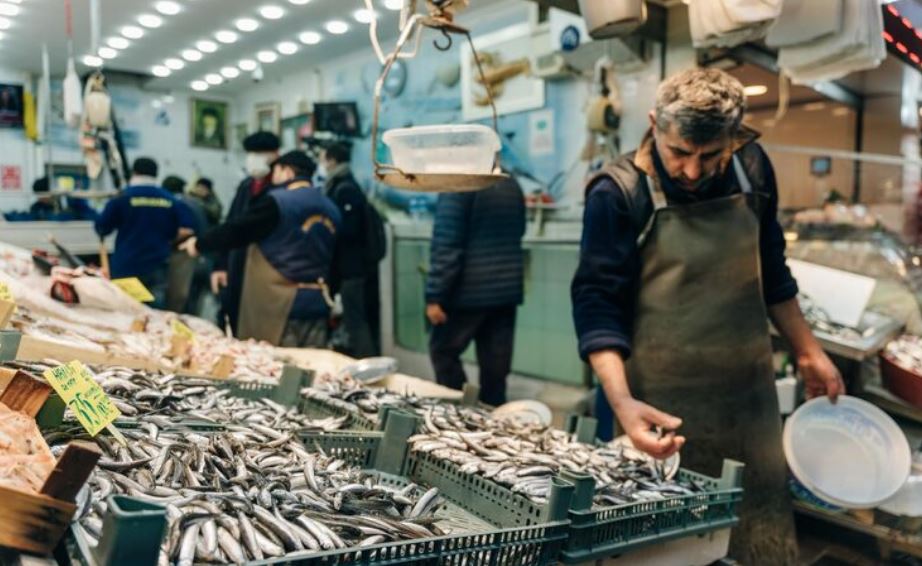
This asymmetry is difficult to ignore. The United States has a tool for enforcing forced labor that is primarily based on tariffs and targeted import prohibitions that apply to about 50 countries on a case-by-case basis. It doesn’t matter where you’re based, how much money you make, or whether you’re a small distributor selling at a Lyon trade show or a multinational processor; the EU’s approach is more expansive and less lenient. You are vulnerable if your product is sold in the EU and it was made using forced labor.
The enforcement scaffolding is still being constructed in Brussels. The deadline for member states to designate national authorities is mid-December 2025. By June 2026, the Commission must provide implementation guidelines. Investigations can be conducted on supply chain documentation, supplier audits, and the type of paper trail that most seafood companies, to be honest, don’t currently keep in any usable form, but none of that infrastructure being incomplete should be mistaken for slack.
Speaking with those who keep a close eye on this, it seems that American exporters are approaching 2027 in the same manner as those who put off paying their taxes: it will happen eventually, but it won’t happen right now. That might be alright. Perhaps smaller suppliers receive a longer grace period in practice than the law permits, and enforcement begins slowly, concentrating on the biggest operators in the highest-risk regions. It is feasible. However, despite two years’ notice and a regulator’s insistence that nothing had changed significantly, European seafood traceability regulations just demonstrated how disastrous things can go. The consequences of the forced labor rule are greater than those of a traceability error. This time, goods are not delayed at customs. They are destroyed.
