

The majority of American tourists arrive in San Sebastián, enjoy their pintxos in the old town, snap a picture of La Concha beach, and declare their trip to be Basque. It’s an excellent trip. It’s simply not the best one out there; the better one is located in towns most itineraries never mention, about twenty minutes down the coast.
The most obvious example is Getaria. With boats still unloading the day’s catch at a harbor that has a subtle diesel and salt odor, it’s a working fishing village rather than a picture-perfect one. At the water’s edge, locals grill whole turbot over open coals and serve it with txakoli, a slightly fizzy white wine produced on the terraced hills above town. When tourists do visit, they typically come for the Balenciaga Museum and completely avoid the port, which is similar to going to Napa but skipping the wine.
Despite being practically on the French border, Hondarribia receives even less attention. Narrow streets and brightly shuttered homes make up its old quarter, which eventually leads to tiny eateries serving casual sea-to-table cuisine. This place doesn’t have a Michelin star, and that seems to be the whole point. When the fish arrives, it is quickly consumed after being simply cooked.
Perhaps the most neglected of all is Pasaia. Day-trippers seldom bother, even though it’s only fifteen minutes from San Sebastián and only requires a quick ferry ride across the bay. Locals use the small boats that connect the town’s districts on either side of the water, much like New Yorkers use the subway. This place’s seafood tends to be more rustic (grilled sardines, basic hake preparations), and part of its appeal is that it doesn’t seem to have made up its mind to become a tourist destination yet.
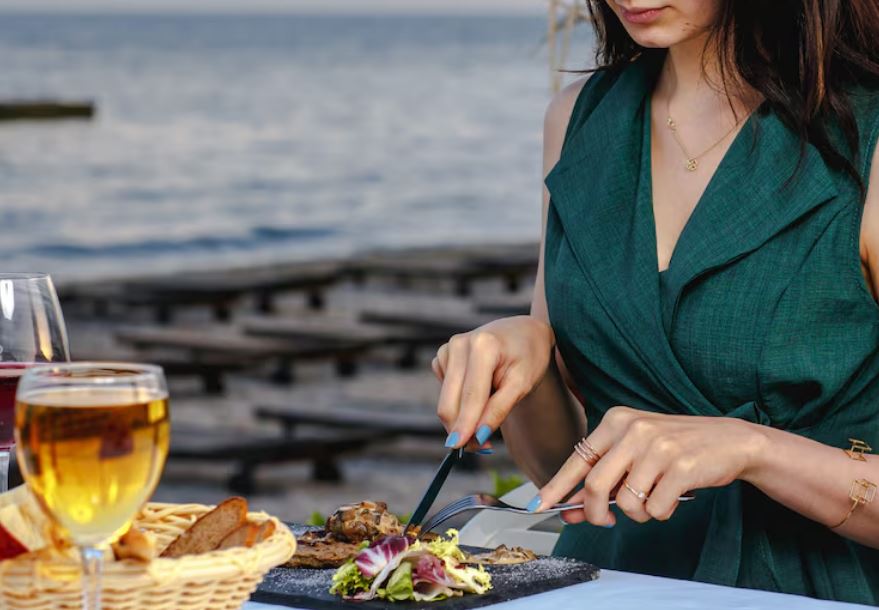
Bermeo is also worth mentioning, primarily because it produces some of Spain’s best canned anchovies and tuna. For a century, local family-run canneries have been hand-filleting bonito del norte using techniques that haven’t changed much because there hasn’t been a need to do so. When Americans do come here, they are typically taken aback by how complex a tin of fish can taste. It’s the kind of small epiphany that changes your perspective on something you thought you already knew.
Drama and spectacle are not what bind these towns together. It’s self-control. The idea behind Basque seafood cooking is that good fish doesn’t need to be saved, so heavy sauces and strong spices are generally avoided. Pil-pil sauce, an emulsion of olive oil, garlic, and the fish’s own gelatin, is used to cook a piece of hake and is frequently the entire dish. One could argue that since a cook has nowhere to hide, this simplicity is more difficult to execute than complexity.
It’s difficult to ignore the irony. The most honest food on the coast has always come from the smaller ports doing the opposite, despite the Basque Country’s reputation being built in part on culinary fireworks like foam, gels, and tweezer plating. It’s unclear if that equilibrium will remain as more tourists become aware of it. However, the majority of the fish still ends up on plates that visitors never see, the boats still arrive early, and the fish is still sold by noon.
